
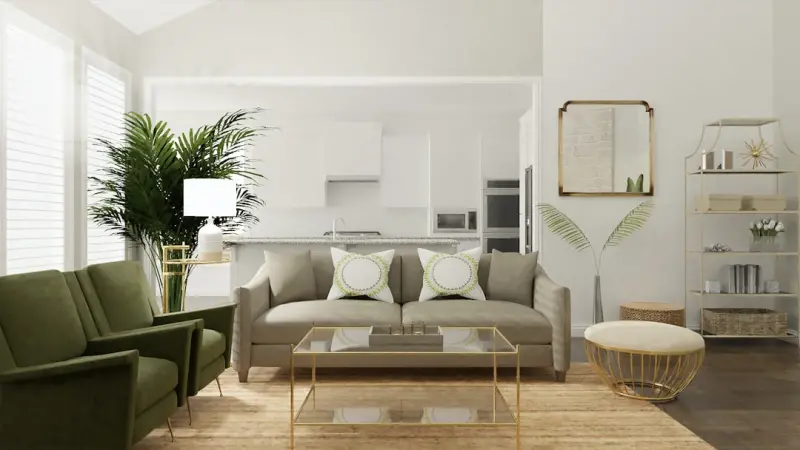
Rethinking the Living Room: From Couch‑Centric to Hybrid Hub
When the world pressed the “work‑from‑home” button, many of us instinctively turned our living rooms into makeshift offices. The result? A space that feels both chaotic and compromised—your favorite spot for movie nights now competes with spreadsheets, conference calls, and endless email threads. It’s time to stop treating the living room as a temporary fix and start redesigning it as a purposeful hybrid hub that serves both relaxation and productivity without sacrificing style or comfort.
Why a Hybrid Hub Makes Sense
Living rooms are naturally the most trafficked rooms in a home. They’re equipped with power outlets, natural light, and often the best Wi‑Fi coverage. Instead of fighting the layout, we can harness these advantages. A well‑planned hybrid hub lets you slide from a focused work session to a family movie night with a single, fluid motion—no need to shuffle furniture or wrestle with cords.
Beyond convenience, a hybrid hub supports mental separation. By allocating specific zones for work, leisure, and mindfulness within the same room, you create micro‑environments that cue your brain into the appropriate mode. This subtle cue‑setting reduces the mental fatigue that comes from a “one‑size‑fits‑all” living space.
Step 1: Map Out Zones Before You Move Anything
Start with a simple floor plan—grab a sheet of paper, sketch the room’s dimensions, and mark doors, windows, and existing furniture. Identify three core zones:
- Focus Zone: A dedicated area for deep work, equipped with a desk or a sturdy lap‑table, ergonomic chair, and task lighting.
- Relaxation Zone: Your classic couch or lounge chairs, perfect for unwinding, streaming, or reading.
- Transition Zone: A flexible space—perhaps a small rug or a set of modular poufs—that can double as a stretch area, meditation corner, or quick‑meeting spot.
By visualizing these zones, you avoid the common mistake of crowding everything into a single spot, which leads to clutter and constant interruptions.
Step 2: Choose Furniture That Multitasks
Invest in pieces that serve dual purposes. A height‑adjustable desk that folds flat against the wall can act as a console when not in use. Look for sofas with hidden storage compartments for office supplies, or ottomans that double as footrests and portable file cabinets.
When selecting a desk, prioritize stability over flash. A desk micro‑movement tricks guide shows how even a modest workstation can promote better posture and circulation—just remember to pair it with a supportive chair and a monitor riser.
Step 3: Wire It Right (Without the Tangled Mess)
One of the biggest frustrations in a hybrid hub is a jungle of cords. Take a few minutes to organize power sources:
- Run a single power strip along the back of the desk, securing it with cable clips.
- Use a wireless charging pad for your phone and smartwatch to keep the surface clean.
- Consider a sleek, floor‑standing cable organizer that houses both power and Ethernet cables out of sight.
Investing in a good surge protector not only protects your gadgets but also consolidates multiple plugs into a single, tidy hub.
Step 4: Light It Up—Layered Lighting for Every Mood
Lighting can make—or break—a hybrid space. Aim for three layers:
- Ambient Light: Overhead fixtures or LED panels that provide even illumination.
- Task Light: Adjustable desk lamps with a color temperature range (warm to cool) for reading, writing, or video calls.
- Accent Light: Floor lamps or wall sconces that add warmth to the relaxation zone, creating a cozy ambiance for evenings.
Natural light is a bonus. Position your work surface near a window, but add sheer curtains to reduce glare during video conferences.
Step 5: Acoustic Solutions for Focus and Fun
Living rooms are typically echo chambers. To keep Zoom calls crisp and your favorite soundtrack from bleeding into the rest of the house, incorporate soft textures:
- Area rugs and plush throws absorb sound.
- Acoustic panels—stylish, fabric‑wrapped options—can be hung on walls behind your monitor.
- A white‑noise machine or a discreet speaker playing gentle ambient sounds can mask background chatter.
These tweaks are especially helpful if you share the space with children or roommates who may be moving around throughout the day.
Step 6: Introduce “Strategic Pause” Moments
Even the most organized hybrid hub can become a pressure cooker if you forget to step back. Incorporate intentional breaks throughout your day. A quick five‑minute walk to the kitchen, a stretch at the transition zone, or a mindful breathing exercise can reset your focus.
Learn more about strategic pause techniques that boost productivity without sacrificing health.
Step 7: Personalize Without Overcrowding
Personal touches make a space inviting. Choose a few statement pieces—perhaps a piece of art, a favorite plant, or a vintage lamp—that reflect your personality. Keep decorative items to a minimum in the focus zone to avoid visual clutter that can distract.
Plants not only add aesthetic value but also improve air quality. A tall fiddle leaf fig can act as a natural partition between the work and relaxation zones, subtly reinforcing the mental shift between tasks.
Step 8: Tech Integration That Feels Seamless
Smart home devices can enhance both productivity and relaxation:
- Voice‑controlled lighting lets you dim the room for a video call with a simple command.
- A smart speaker can serve as a virtual assistant for scheduling while also playing your favorite playlist during downtime.
- Consider a wireless presentation system that allows you to cast your screen to a larger TV when you need to share ideas with family or colleagues.
These tools keep the room functional without adding clutter.
Step 9: Keep the Flow—Easy Transitions Between Modes
When you finish a work session, physically move a piece of furniture or change the lighting to signal a mental shift. For instance, push the desk chair back, turn on a floor lamp, and roll a rug into place for a quick yoga stretch. This simple choreography reinforces the boundary between work and leisure, reducing the risk of burnout.
Step 10: Maintain the Space with a Weekly Reset
Set a recurring 15‑minute ritual each week to:
- Wipe down surfaces and dust any tech accessories.
- Re‑organize cords and ensure the power strip isn’t overloaded.
- Rotate any decorative items to keep the space feeling fresh.
A tidy environment supports a tidy mind, making it easier to dive back into work or unwind at the end of the day.
Putting It All Together: A Real‑World Example
Meet Maya, a freelance graphic designer who transformed her modest living room into a vibrant hybrid hub. She started by defining zones: a sleek, height‑adjustable desk placed against the north wall for daylight, a plush sectional opposite it for client calls, and a woven rug in the center that doubles as a yoga space.
Maya installed a set of acoustic panels behind her monitor, which not only cut down on echo but also added a pop of color. She added a smart plug strip that she controls via voice, allowing her to dim the lights and switch off the TV with a single phrase.
Every afternoon, Maya takes a “strategic pause” by stepping onto the rug, closing her eyes, and practicing a quick breathing exercise—a habit she picked up from a recent article on workplace wellness. This short reset boosts her creativity for the next design sprint.
Within a month, Maya reported a 30% increase in productive hours and a noticeable improvement in her work‑life balance. Her living room feels like a curated gallery rather than a chaotic office, and her family enjoys a peaceful, organized space when they gather for movie nights.
Final Thoughts: Your Living Room, Your Rules
The key to a successful hybrid hub is intentional design—not just aesthetics, but a thoughtful layout that respects the distinct mental states you need throughout the day. By mapping zones, selecting multitasking furniture, streamlining tech, and honoring regular pauses, you’ll create a living room that feels both inviting and efficient.
Remember, the goal isn’t to turn your home into a corporate office; it’s to craft a space that supports the fluid rhythm of modern life—where work, rest, and play coexist harmoniously under one roof.

Karen Edwards is a seasoned freelance writer with a passion for all things furry, feathered, and scaled. With a dedicated focus on pets, she brings a wealth of knowledge and a keen eye for detail to her writing.
Related Posts
The Secret Sauce of Home Comfort: Sensory Layers You’re Missing
Discover how to transform any space using scent, texture, and sound. Simple, low‑cost tweaks creat... Read More
Hidden Gems: Transforming Everyday Spaces with Clever Home Hacks
Unlock practical, budget‑friendly tricks to revamp your home: smart storage, multipurpose furnitur... Read More
Low‑Maintenance Indoor Plants: A Busy Professional’s Guide to a Healthier Home
A practical guide for busy professionals on selecting, placing, and caring for low‑maintenance ind... Read More
Top Posts

Audio‑First SEO: Turning Voice and Podcast Content into Ranking Gold
Explore the rise of audio‑first SEO, from voice search optimization to podcast transcriptions, and learn actionable tactics to boost visibility and conversion...Read More

Google’s AI Wave: Rose DesRochers’ Insider Take on the 2024 Revolution
Rose DesRochers breaks down Google’s 2024 AI transformation, revealing how new models, privacy changes, and developer tools reshape search and marketing. A mu...Read More

Weekly Wanderings: How Tiny Trips Transform Your Mind and Work
Learn to turn travel into a weekly habit with simple planning, smart packing, and sensory journaling, unlocking lasting creativity and professional growth....Read More

When AI Becomes Your Personal Travel Agent: Crafting Hyper‑Personalized Journeys
Explore how artificial intelligence can act as a collaborative travel partner, shaping dynamic, health‑focused itineraries that blend data‑driven precision ...Read More
0 Comments
Post Comment
You will need to Login or Register to comment on this post!