
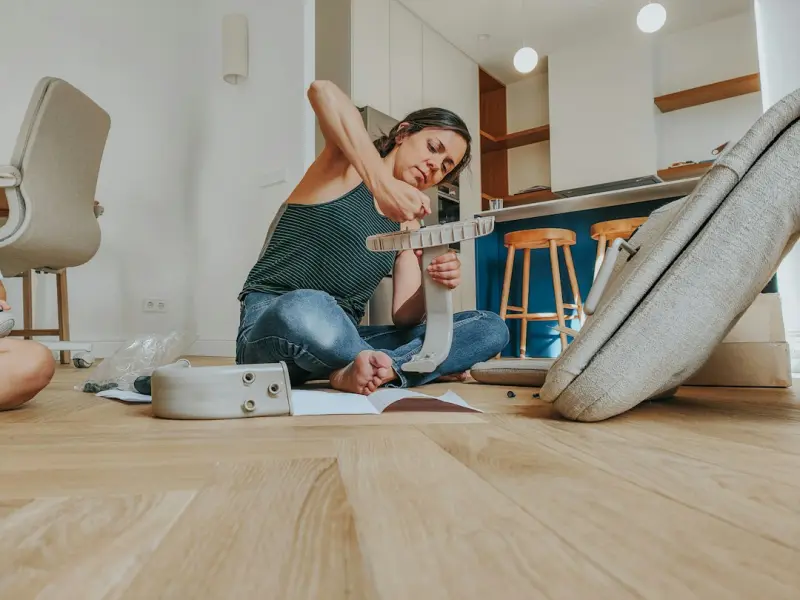
When I first moved into my downtown loft, the space felt more like a blank canvas than a sanctuary. I loved the open‑concept vibe, but the lack of designated zones meant my mind was constantly on‑the‑go—work emails on the kitchen counter, a quick yoga session on the living‑room rug, and meals eaten at the desk. It hit me: a home should be a place that restores you, not just a backdrop for daily tasks. That realization sparked a project I’m now calling the Home Wellness Hub. Think of it as a curated corner where breath, movement, light, and sound converge to nurture body and mind.
Why a Wellness Hub Matters (Even If You’re Not a Yoga Guru)
Most of us equate “wellness” with a yoga mat or a fancy diffuser, but it’s really about creating intentional micro‑environments that support our natural rhythms. Research shows that our surroundings can directly influence stress hormones, sleep quality, and even creativity. By carving out a dedicated space for restorative practices, you give yourself a daily reset button—no meditation retreat required.
For those who think they’re too busy, consider this: a 10‑minute pause in a purpose‑built nook can boost focus for the next hour, cut cortisol spikes, and improve mood. In other words, a small investment of space yields a disproportionate return in productivity and well‑being—without the need to overhaul your entire floor plan.
Step 1: Choose the Right Spot (Location, Not Size)
- Natural Light is Gold. If you have a window that catches morning sun, claim it. Sunlight regulates melatonin, the hormone that governs sleep. A simple habit of opening blinds for a few minutes each sunrise can help rewire your body clock for better rest.
- Quiet Corners Beat High‑Traffic Zones. Look for a corner away from the kitchen’s clatter or the hallway’s foot traffic. Even a narrow alcove can become a sanctuary with the right elements.
- Flooring Matters. Soft rugs or cushioned mats add comfort and dampen sound, creating a quieter acoustic environment.
Step 2: Curate Your Sensory Palette
Our senses are powerful triggers. By deliberately shaping what you see, hear, smell, and feel, you can craft an environment that signals “relax” to your brain.
Light
Invest in a dimmable lamp with a warm color temperature (around 2700‑3000 K). For evenings, swap out harsh white bulbs for amber or soft pink. If you’re tech‑savvy, consider smart bulbs that gradually shift hue to mirror sunrise and sunset cycles—another subtle cue for your circadian rhythm.
Sound
Background noise can be a game‑changer. A simple white‑noise fan, a water fountain, or a curated playlist of low‑frequency tones can mask disruptive city sounds. If you’re curious about the auditory frontier, check out the rise of audio‑first experiences and borrow ideas—think of a “soundscape” that evolves as your day progresses.
Scent
Essential oils aren’t just spa fluff. Scents like lavender, eucalyptus, and citrus have documented stress‑reduction properties. A small diffuser can fill your hub with calming aromas, while a fresh bowl of citrus peels doubles as a natural air purifier.
Tactile Elements
Textures ground you. A plush throw, a natural‑fiber cushion, or a smooth stone sculpture invites mindful touch. Even a simple bamboo mat can remind you of the earth’s steadiness.
Step 3: Equip for Multi‑Modal Wellness
While the hub isn’t a full‑blown gym, a few versatile tools can accommodate a range of practices:
- Foldable Yoga Mat. Easy to roll up and store, perfect for stretches or guided meditation.
- Adjustable Sit‑Stand Desk. A compact version can serve as a standing workstation for quick email checks, reducing sedentary time.
- Mini Resistance Bands. Ideal for quick strength bursts without taking up space.
- Portable Speaker. Syncs with playlists, podcasts, or guided breathing apps.
Even a single piece of equipment can have a ripple effect. For instance, a sit‑stand desk encourages movement, which in turn improves circulation and reduces the risk of back pain—key factors for long‑term health.
Step 4: Integrate Technology Thoughtfully
We live in a world where tech can either amplify stress or enhance serenity. The trick is to pick tools that serve the hub’s purpose without turning it into a digital distraction zone.
- Smart Lighting. Program schedules that dim lights an hour before bedtime.
- Air Quality Monitors. Devices that track CO₂ levels and humidity help you maintain a breathable environment.
- Guided Meditation Apps. Use short, data‑driven sessions that adapt to your stress levels.
Remember the principle of “tech‑light”: use gadgets that work for you, not the other way around. A good rule of thumb is to keep screens out of the hub after a certain hour, preserving its low‑stimulus nature.
Step 5: Make It Personal—Add Your Signature Touch
Every wellness hub should feel like an extension of you. Here are some ideas to inject personality:
- Artwork or Vision Boards. Choose pieces that inspire calm or align with your goals.
- Plants. Greenery not only improves air quality but also adds a soothing visual element. A small snake plant or a trailing pothos works well in low‑light spots.
- Personal Mementos. A favorite travel souvenir, a handwritten quote, or a stack of well‑worn books can anchor you emotionally.
Step 6: Keep It Flexible (And Don’t Be Rigid About “Rules”)
The hub is meant to evolve with your needs. One month you might spend 30 minutes journaling, the next you could be doing a quick HIIT circuit. The key is to stay attuned to what your body and mind are asking for. If a new hobby pops up—say, calligraphy—add a small desk and a set of pens. Flexibility ensures the space never feels stale.
Step 7: Maintain the Sanctuary (A Few Low‑Effort Habits)
Maintaining a wellness hub is surprisingly simple if you embed a few habits into your routine:
- End‑of‑Day Reset. Spend the last five minutes tidying the space, wiping surfaces, and turning off tech. This ritual signals the transition from “active” to “restful.”
- Weekly Air Refresh. Open windows for 10‑15 minutes to let fresh air circulate, or run your air purifier on a timer.
- Monthly Re‑Evaluation. Ask yourself: Is the hub still serving its purpose? Swap out items that no longer resonate.
Case Study: Transforming a Spare Closet into a “Micro‑Retreat”
One of my clients, a remote product manager, had a narrow hallway closet that was always cluttered with cleaning supplies. We turned it into a micro‑retreat by:
- Removing the bulk items and installing a small floating shelf for a diffuser and a few candles.
- Adding a soft LED strip that mimics sunrise lighting.
- Placing a compact meditation cushion and a small potted succulent.
- Integrating a Bluetooth speaker for ambient sound.
The result? A 5‑minute “reset” before each work block, leading to a measurable drop in reported fatigue and a noticeable uptick in focus. The client even joked that the closet became more popular than the kitchen coffee station!
Putting It All Together: A Sample Daily Flow
Here’s a quick blueprint you can adopt:
- Morning (7‑8 am): Open blinds, sip water, and spend 5 minutes on gentle stretching under sunrise‑mimicking light.
- Mid‑Day (12‑12:30 pm): Take a “breathing break” – 3 minutes of guided breathwork with calming soundscape.
- Afternoon (3‑3:15 pm): Stand at the sit‑stand desk for a quick resistance‑band circuit to re‑energize.
- Evening (9‑9:15 pm): Dim lights, light a lavender candle, and journal for 10 minutes, letting thoughts settle before bed.
This routine isn’t rigid; it’s a scaffold you can adapt. The core idea is to use the hub as a recurring cue for intentional self‑care.
Final Thoughts: Your Home, Your Health Engine
Home wellness isn’t a luxury—it’s a practical, low‑cost engine that fuels every other area of life. By carving out a dedicated space, you signal to your brain that it’s time to shift gears, whether that means calming down, gearing up, or simply being present. The beauty is that the hub can be as expansive or as modest as you need; the impact, however, is profound.
If you’re ready to give your home a health‑boosting makeover, start small, stay consistent, and watch how those 10‑minute pauses cascade into bigger gains—more energy, better sleep, sharper focus, and a deeper sense of calm. Your future self will thank you.

David Moore is a freelance writer specializing in two dynamic and ever-evolving fields: gambling and the tech industry. With a keen eye for detail and a knack for unraveling complex topics, David delivers insightful and engaging content that keeps readers informed and entertained.
Related Posts

Boost Your Home’s Comfort and Efficiency with Simple Science‑Backed Hacks
A comprehensive guide that uses everyday science to upgrade indoor air, light, sound, temperature zo... Read More
Brightening Your Home: Light, Air, and Simple Hacks for a Healthier Space
Learn how to transform any room with budget‑friendly tricks that boost natural light, enhance vent... Read More
Smart Home Hacks: Transform Small Spaces into Multi‑Functional Havens
Turn cramped corners into purposeful zones with clever storage, lighting, and design tricks that mak... Read More
Top Posts

Semantic Knowledge Graphs: SEO Blueprint for SaaS
Learn to construct a semantic knowledge graph for your SaaS site, turning entities, attributes, and relationships into a powerful SEO framework that boosts rele...Read More

Riding Google’s 2026 AI Wave: A Marketer’s Personal Playbook
Discover Rose DesRochers’ insider strategies for mastering Google’s 2026 AI wave—from zero‑click SEO to AI‑driven ad creatives and privacy‑first mar...Read More

Seasonal Swaps and Smart Hacks: A Fresh Take on Everyday Home Mastery
Learn how to rotate pantry items, use adhesive storage, create scent stations, and apply one‑minute declutter habits for a continuously refreshed home environ...Read More

Turning Wearable Data into Daily Wellness Wins
Discover how to convert wearable metrics into simple, actionable habits. This guide walks you through building a personal biofeedback loop that turns data into ...Read More
0 Comments
Post Comment
You will need to Login or Register to comment on this post!