

When I first moved into my downtown loft, the walls felt like blank canvases begging for purpose. The ceiling was high, the floor space modest, and the open‑plan layout meant that every square foot counted. I quickly learned that the secret to a truly livable home isn’t about adding more furniture; it’s about teaching your walls to work for you. In this post, I’ll walk you through the art and science of vertical storage—how to turn unused wall real estate into organized, beautiful, and functional storage solutions that keep clutter at bay and your mind at ease.
Why Vertical Wins Over Horizontal
Our brains are wired to see clutter as a threat. When objects spread out across the floor, they create visual noise that can increase stress and reduce focus. By lifting items off the ground and anchoring them to the wall, you instantly clear the visual field. The psychological boost of a tidy floor is profound: you feel lighter, more in control, and surprisingly more productive. Moreover, vertical storage maximizes the often‑underutilized space above eye level, freeing up precious floor real estate for the things that truly matter—like a yoga mat, a pet’s cozy corner, or a stylish rug.
Assessing Your Walls: The First Step
Before you rush to the hardware store, spend a weekend getting to know each wall. Ask yourself:
- Which walls are load‑bearing and can support shelves?
- Where does natural light hit, and where are the shadows?
- What zones of the room need easy‑access storage versus out‑of‑sight storage?
By answering these questions, you’ll develop a map of “high‑traffic” versus “quiet” zones. High‑traffic walls—those you walk past daily—are perfect for everyday essentials like keys, mail, and chargers. Quiet walls can host less‑frequently used items such as seasonal décor or hobby supplies.
Choosing the Right Materials
Material matters as much as placement. If you crave a sleek, modern vibe, consider floating glass shelves with minimalist brackets. For a warm, organic feel, reclaimed wood planks add character while staying sturdy. Metal pipe shelving offers an industrial edge and can bear heavier loads, ideal for pantry items or books. Remember to match the finish to the room’s existing palette—this creates cohesion and prevents the storage from feeling like an afterthought.
Smart Shelf Configurations
The classic single‑row shelf is functional, but why settle for basics? Here are three configurations that add both style and utility:
- Tiered Stacking: Install two or three narrow shelves in a staggered pattern. This creates mini‑display zones for plants, framed photos, or small art pieces, while still offering storage underneath.
- Hidden Bins: Add a shallow shelf with a removable basket or fabric bin. The bin keeps items concealed, preserving a clean aesthetic.
- Integrated Lighting: LED strip lights beneath each shelf not only highlight decorative objects but also illuminate the items stored below, making night‑time retrieval a breeze.
Beyond Shelves: Hooks, Pegboards, and Racks
Hooks are the unsung heroes of vertical storage. From sleek brass coat hooks to a full‑scale pegboard, they transform empty wall space into a dynamic organizer. Use pegboards to hang kitchen utensils, craft supplies, or even gardening tools. For the entryway, a row of decorative hooks can corral bags, jackets, and dog leashes, keeping the floor tidy. If you’re a tech‑savvy homeowner, consider magnetic strips for metal tools or spice jars with metal lids—this way, you can create a “magnetic pantry” on a kitchen wall.
Maximizing Small Spaces with Vertical Gardens
Plants love vertical real estate. A wall‑mounted herb garden not only supplies fresh flavor for cooking but also acts as a living storage rack. Small pots can be arranged in a ladder‑style frame, each labeled with the herb name. The greenery improves air quality—a subtle nod to the principles explored in Breathe Easier—while the arrangement doubles as a decorative focal point.
Vertical Storage for Home Offices
If you work from home, your wall can become a productivity powerhouse. Mount a shallow desk shelf at elbow height for a second monitor, a notepad, and a cup of coffee. Above it, install a small cork board or magnetic board for quick‑capture ideas and visual reminders. Pair this with the advice from Micro‑Movements at the Desk to incorporate tiny stretches between tasks—your new wall setup will keep you both organized and physically active.
Safety First: Anchoring and Weight Limits
Nothing ruins a storage triumph faster than a collapsing shelf. Always use wall anchors appropriate for your wall type—drywall, plaster, or concrete. For heavy items, locate studs and secure brackets directly into them. When in doubt, consult a professional installer. A well‑anchored system not only protects your belongings but also ensures that your vertical design remains a lasting feature.
Personalizing Your Vertical Canvas
Storage doesn’t have to be purely utilitarian. Mix functionality with personality by adding:
- Framed artwork between shelves to break up the visual monotony.
- Vintage signage or travel souvenirs on a floating shelf for a curated gallery feel.
- Colorful woven baskets for a pop of hue that also hides everyday clutter.
These touches make the wall feel like an extension of your style rather than a sterile storage unit.
Seasonal Swaps Made Easy
One of the biggest challenges of home organization is the seasonal rotation of items—think holiday décor, winter coats, or summer beach gear. By dedicating an upper‑wall shelf to “seasonal overflow,” you can store out‑of‑season items in labeled bins that slide in and out as needed. This method keeps the main living area uncluttered year‑round and reduces the mental load of remembering where you stashed that extra set of candles.
Integrating Technology Without Over‑Complicating
Smart homes often focus on gadgets, but vertical storage can be subtly tech‑enhanced. Install a wireless charging pad behind a small shelf to power your phone while it sits on a decorative tray. Add a Bluetooth speaker concealed behind a plant pot for ambient music. These low‑key integrations keep the space sleek while offering modern convenience.
Putting It All Together: A Sample Room Blueprint
Imagine a living‑room wall opposite the sofa:
- Bottom Shelf (12″ high): A shallow basket for remote controls and coasters.
- Middle Tier (18″ high): A floating wood shelf displaying a curated collection of books and a small sculptural piece.
- Upper Shelf (24″ high): A vertical herb garden with LED lighting for culinary inspiration.
- Side Section: A pegboard for hanging headphones, charging cables, and a small plant holder.
This arrangement balances daily utility with aesthetic appeal, creating a harmonious focal point that also serves as a functional hub.
Maintaining the Momentum
Like any habit, vertical organization thrives on regular attention. Set a quarterly reminder—much like the ideas in Quarterly Home Reset—to assess what’s working and what isn’t. Declutter, dust, and re‑evaluate the placement of items. Over time, you’ll refine the system until it feels like a natural extension of your daily routine.
Vertical storage isn’t just a design trend; it’s a lifestyle upgrade that turns walls into allies, frees up floor space, and brings a sense of calm to the chaos of modern living. By thoughtfully selecting materials, configuring shelves, and adding personal touches, you can create a wall that serves both function and beauty. So, next time you stare at that empty space above your couch, see it not as a blank canvas, but as a waiting opportunity to elevate your home into a truly organized sanctuary.

Related Posts
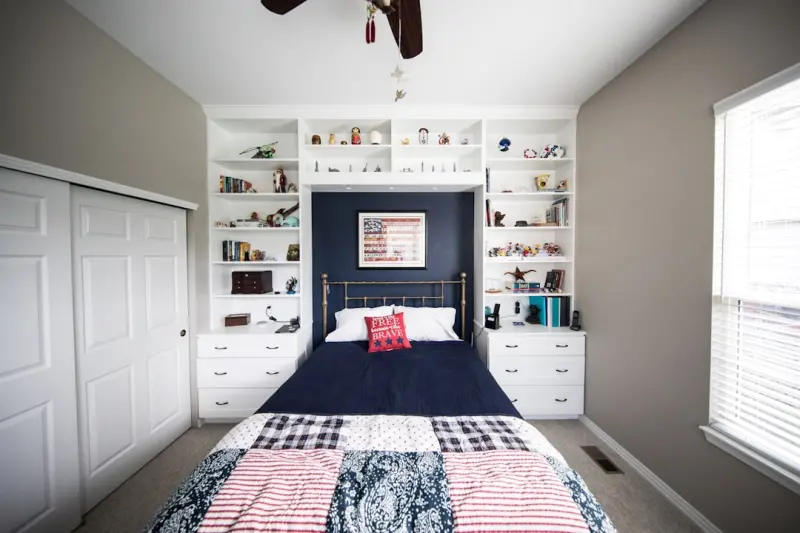
Hidden Storage Hacks for Every Room
Unlock the secret to a clutter‑free home with hidden storage solutions that turn unused nooks into... Read More
Invisible Comfort: Simple Upgrades for Air, Light, and Sound at Home
Learn how to boost your home’s invisible comfort—air quality, natural light, and sound—using a... Read More

Acoustic Upgrades for a Home Office That Actually Works
Learn how to turn any room into a quiet‑friendly home office using rugs, DIY acoustic panels, smar... Read More
Top Posts

Edge AI: Bringing Intelligence to the Network Edge for SaaS Scale
Edge AI is redefining the way SaaS platforms deliver real‑time intelligence, offering faster response times, enhanced security, and new opportunities for inno...Read More

Building Blocks: Why Composable SaaS Is the Future of Agile Innovation
Composable SaaS turns rigid monoliths into interchangeable modules, enabling enterprises to innovate faster, personalize experiences, and stay resilient in a ra...Read More

Personal Data Wallets: Reclaiming Control Over Your Digital Identity
Explore the emerging world of personal data wallets, the technology behind them, real‑world uses, and a simple checklist to start reclaiming your digital iden...Read More

Beyond Clicks: Crafting Conversational Journeys in Digital Marketing
Discover the rise of conversational marketing and how integrating predictive storytelling, voice search, and community content can transform brand interactions ...Read More
0 Comments
Post Comment
You will need to Login or Register to comment on this post!