

When you think about health, the mind often drifts to marathon training, kale smoothies, or the latest meditation app. Yet, for most of us who spend the bulk of our waking hours glued to a chair, the most impactful health hack isn’t a new supplement or a sunrise jog—it’s the art of micro‑movement. These tiny, intentional motions may feel almost imperceptible, but when practiced consistently, they can reboot circulation, sharpen focus, and protect the spine from the silent creep of chronic tension. In this post, I’ll walk you through why micro‑movements deserve a place in your daily workflow, how the science backs them up, and a step‑by‑step plan to embed them into the rhythm of your workday.
Why Micro‑Movements Matter More Than You Think
Most health advice targets macro‑behaviors: run five miles, drink eight glasses of water, sleep eight hours. While those are undeniably valuable, they’re also high‑effort, high‑commitment actions that compete with the endless demands of a busy schedule. Micro‑movements, on the other hand, are low‑friction, high‑frequency actions that can be woven into any task—whether you’re drafting an email, on a Zoom call, or reviewing a spreadsheet. The cumulative effect of a few seconds of movement every 30 minutes adds up to minutes of active recovery each hour, offsetting the deleterious effects of prolonged sitting.
The Science Behind Tiny Motions
Researchers have long documented the dangers of “sitting disease.” Prolonged immobility reduces muscle pump efficiency, leading to sluggish venous return and a cascade of metabolic slowdown. A 2015 study in Circulation found that breaking up sitting time with just two minutes of light activity every 30 minutes can improve post‑prandial glucose and insulin responses. Moreover, brief bouts of movement stimulate the release of brain‑derived neurotrophic factor (BDNF), a protein that supports neuronal growth and enhances cognitive function. In simpler terms: a quick shoulder roll or ankle flex can give your brain a mini‑boost, sharpening attention and reducing mental fatigue.
Four Simple Desk Micro‑Movements
- Seated Cat‑Cow Stretch: Sit tall, place hands on knees. Inhale, arch your back, lift your chest (cow). Exhale, round your spine, tuck your chin (cat). Repeat 5‑6 cycles.
- Ankle Pumps: With feet flat, lift your heels, then your toes, alternating for 30 seconds. This encourages blood flow back up the legs.
- Neck Release: Gently drop your right ear to your right shoulder, hold for 10 seconds, then switch sides. Add a subtle forward chin tuck for added cervical relief.
- Desk Push‑Off: Plant both hands on the desk, shift weight forward, and push your body up a few inches, then lower back down. This mimics a mini‑push‑up without leaving your chair.
These movements take less than a minute each and can be done silently, so they won’t disrupt meetings or distract coworkers.
Integrating Micro‑Movements into Your Day
Embedding new habits is where many well‑intentioned health plans stumble. The key is to tie micro‑movements to existing triggers. For example, make a rule: every time you receive a new email, stand up for a quick stretch before you click “reply.” Or, set a soft chime on your phone to remind you to do an ankle pump before each video conference. Over time, these cues become automatic, turning micro‑movement from a conscious effort into a reflex.
Tools and Tech to Remind You
While a simple timer works, there are digital tools that can make the practice feel more engaging. turning routine into play with a points system can boost adherence. For instance, use a habit‑tracking app that awards badges for each movement set completed. Some platforms even let you compete with teammates, adding a friendly layer of accountability. The psychological boost from gamification often translates into higher consistency.
From Routine to Play: A Gamified Approach
Imagine a leaderboard where each micro‑movement earns you “energy points.” When you reach a weekly threshold, you unlock a reward—maybe a 15‑minute walk outside or a favorite snack. This approach mirrors the success of game‑based learning, leveraging dopamine spikes to reinforce behavior. By framing health as a game, you reduce the mental friction of “having to” and replace it with “getting to.” The result is a more enjoyable, sustainable habit loop.
Designing a Supportive Environment
Your physical workspace can either encourage or sabotage micro‑movement. A cluttered desk forces you into static postures; a thoughtfully arranged area invites fluid motion. Consider designing a productivity sanctuary that includes a standing mat, a small open space for stretch, and a visual cue—perhaps a bright post‑it—that signals it’s time to move. Even the placement of a water bottle on the far side of the desk can serve as a natural prompt to stand and walk.
Measuring Impact: Data‑Driven Health
One of the biggest advantages of today’s wearable ecosystem is the ability to track subtle changes in heart‑rate variability (HRV), step count, and even posture. Use these metrics to gauge the effect of micro‑movement. For example, note your HRV in the morning for a week, then introduce a 5‑minute micro‑movement routine at midday. If you see a steady rise in HRV over the next two weeks, you have objective evidence that the practice is boosting autonomic balance. The data can also help you fine‑tune the timing and type of movements that work best for your body.
Common Pitfalls and How to Avoid Them
1. Over‑complicating the Routine – Starting with a long list of moves can feel overwhelming. Stick to two or three core movements until they become second nature, then add variations.
2. Ignoring Ergonomics – Micro‑movement isn’t a cure‑all for a poorly set up workstation. Pair your new habit with an ergonomic chair, monitor at eye level, and a keyboard that promotes neutral wrist posture.
3. Forgetting Consistency – Skipping a day can reset the habit loop. If you miss a cue, schedule a “catch‑up” window later in the day rather than abandoning the practice entirely.
Your First 30‑Day Challenge
Ready to test the theory? Here’s a simple challenge:
- Pick two micro‑movements from the list above.
- Set a timer for every 45 minutes of work.
- When the timer rings, perform both movements for a total of 30 seconds.
- Log each session in a habit tracker (digital or paper).
- After 30 days, review your energy levels, focus, and any physical discomfort you’ve noticed.
Most participants report a noticeable reduction in neck stiffness, a steadier energy curve throughout the day, and a clearer mind during deep work sessions.
Conclusion: Small Steps, Big Gains
Micro‑movement is the hidden lever that can transform a sedentary desk job into a catalyst for better health, sharper cognition, and sustained productivity. By embracing these brief, intentional motions, you’re not just combating the risks of sitting; you’re actively upgrading your nervous system, circulation, and mental resilience. The best part? You can start right now, right at your desk, without any special equipment or major schedule overhaul. Remember, health is a marathon, not a sprint, but even a marathoner benefits from a quick stretch at every water station. Make micro‑movement your daily water station, and watch your performance—and wellbeing—rise.

Dale Peterson is a freelance writer with a passion for technology, travel, law and personal finance. With 10 years of experience crafting compelling and informative content, he's dedicated to delivering high-quality writing for Blogging Fusion that engages audiences and achieves specific goals.
Related Posts

Embracing the Cold: How Ice Therapy Can Rewire Your Body and Mind
Dive into the science of cold therapy and learn simple, safe ways to use ice exposure for improved h... Read More

Reclaiming Your Brain: A Practical Blueprint for Digital Detox
A detailed guide shows how to map your digital habits, set signal‑to‑noise goals, create deviceâ... Read More
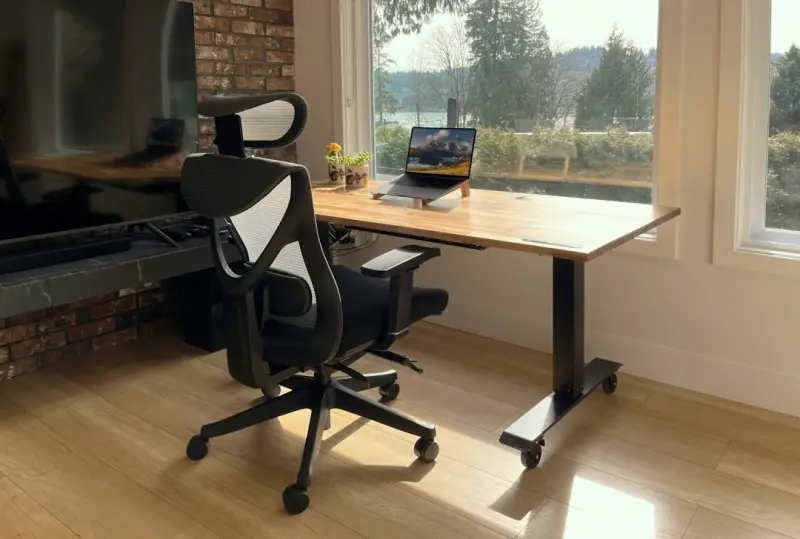
Why Your Desk Chair Is Sabotaging Your Health (And How to Fix It)
A data‑driven guide shows how aligning your chair, adding micro‑breaks, integrating breathwork, ... Read More
Top Posts

Airport Co‑Working: Turning Layovers into Power Hours
Discover how airports are evolving into co‑working hubs and learn practical strategies, tech tools, and wellness hacks to transform any layover into a product...Read More
When AI Becomes Your Creative Partner
I’ve learned to treat AI not as a tool, but as a co‑author—an ever‑present muse that reshapes drafts, sparks visual concepts, and keeps my creative rhyt...Read More
Riding the 2024 Google AI Wave: Rose DesRochers’ Insider Playbook
Rose DesRochers reveals how to adapt to Google’s AI-powered 2024 search changes, offering a hands‑on playbook, technical insights, and future‑proof strate...Read More
Brighten and Quiet Your Home: Simple Light and Sound Hacks for Everyday Comfort
Learn how to amplify natural light, upgrade artificial lighting, and silence unwanted noise with simple, budget‑friendly hacks that transform any room into a ...Read More
0 Comments
Post Comment
You will need to Login or Register to comment on this post!