
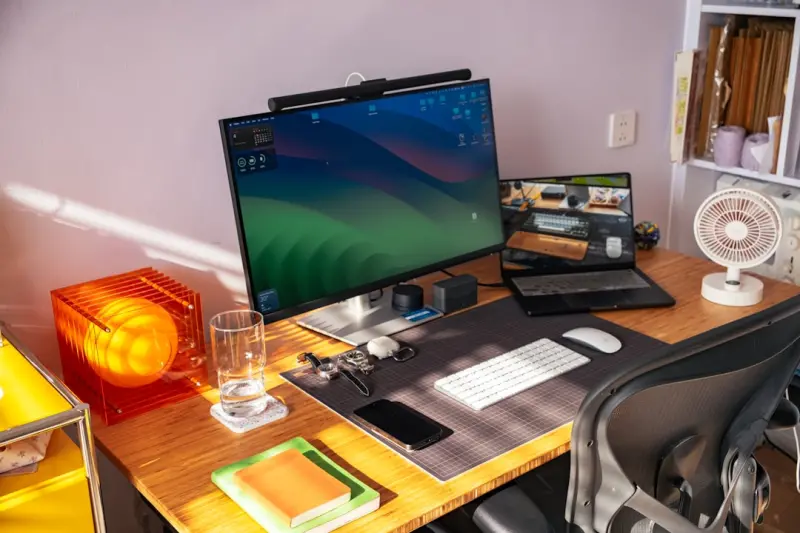
When I first swapped my cramped kitchen table for a dedicated workspace, I thought the biggest hurdle would be finding a quiet corner. I was wrong. The real challenge turned out to be shaping an environment that quietly nudges my brain toward focus while still feeling like a sanctuary—a place where I could be productive without the stress that usually tags along with “working from home.”
Why the Physical Space Matters More Than You Think
Our brains are wired to respond to visual and tactile cues. A cluttered desk can trigger the same anxiety we feel when a to‑do list piles up, while natural light and a well‑chosen color palette can release dopamine, the feel‑good chemical that improves concentration. In short, the home office isn’t just a piece of furniture; it’s a behavioral catalyst.
Start With a Purpose‑Driven Layout
Before you buy an ergonomic chair or a sleek monitor, sit down with a notebook and answer three simple questions:
- What’s the primary task? Is it deep‑focus writing, frequent video calls, or a mix of both?
- How much movement do you need? Do you prefer a standing desk, or will you incorporate a short‑walk routine?
- What inspires you? Do you thrive with greenery, art, or a minimalist aesthetic?
These answers will dictate the placement of your desk, the type of lighting, and even the color scheme. For example, a writer who values immersion might choose a window‑facing desk with a view of the garden, while a video‑call‑heavy professional could prioritize a neutral backdrop and acoustic panels.
Lighting: The Unsung Hero
Natural light is priceless, but it’s not always available year‑round. Here’s a three‑step approach to mastering light:
- Maximize daylight. Position your desk near a window and keep blinds on a tilt to diffuse harsh glare.
- Layer artificial sources. Combine a warm‑tinted desk lamp for task lighting with a softer overhead fixture to reduce eye strain.
- Use smart bulbs. Adjustable color temperature allows you to shift from cool blue tones during focus sprints to warm amber in the evening, supporting your circadian rhythm.
When daylight is scarce, a daylight‑simulating LED lamp can mimic the sky’s spectrum, helping maintain alertness.
Acoustic Comfort Without Overkill
Even in a quiet house, the hum of an HVAC system or a neighbor’s lawn mower can break concentration. Acoustic comfort doesn’t require a full‑blown soundproof studio; a few strategic tweaks can make a world of difference:
- Rugs and curtains. Thick floor rugs and heavy curtains absorb mid‑range frequencies, reducing echo.
- DIY panels. A simple canvas stretched over a wooden frame and filled with recycled denim batting acts as an effective acoustic panel.
- White‑noise machines. A low‑volume fan or a white‑noise app can mask sudden disruptions.
Ergonomics That Feel Like a Hug
Investing in ergonomics is non‑negotiable. A chair that supports the natural curve of your spine, a monitor at eye level, and a keyboard that encourages a neutral wrist position can prevent fatigue that otherwise drags you out of the zone. If budget constraints exist, consider the following low‑cost upgrades:
- Use a sturdy bookshelf as a monitor riser.
- Place a rolled‑up towel behind your lower back for lumbar support.
- Switch to an external mouse that fits your hand size.
Color Psychology: Choose Shades That Align With Your Mood
While white walls feel clean, they can also feel sterile. Here’s a quick cheat‑sheet:
- Soft blues – promote calm and focus.
- Muted greens – bring a touch of nature, reducing stress.
- Warm neutrals – encourage creativity without overwhelming the senses.
Accent a neutral base with a pastel wall art piece or a decorative plant pot to inject personality without visual clutter.
Biophilic Touches: Bring the Outdoors In
Plants are more than décor; they improve air quality and boost mood. If you’re new to plant care, start with low‑maintenance varieties like snake plant, pothos, or ZZ plant. Position them where they receive indirect light, and they’ll thrive alongside your productivity.
Organize, Then Personalize
Clutter is the enemy of focus. Adopt a “home for everything” mindset:
- Use clear trays for papers you need daily.
- Store rarely used items in labeled boxes tucked under the desk.
- Implement a “one‑in, one‑out” rule for office accessories to keep the space lean.
Once the essentials are sorted, layer in personal items that spark joy—a framed travel photo, a favorite mug, or a small sculpture. The key is balance; personal touches should inspire, not distract.
Micro‑Movement Integration Without Turning It Into a Workout
Even though I’m not focusing on the Micro‑Workouts trend, a few subtle movement habits can keep energy levels steady:
- Stand and stretch for 30 seconds every hour.
- Place a small balance board under your desk for gentle foot activation.
- Set a timer to take a brief walk around the house—just enough to reset posture.
Leverage Seasonal Shifts for a Fresh Reset
While this post isn’t about a full seasonal overhaul, borrowing a tip from the Seasonal Home Reset can keep your office feeling renewed. Swap out a desktop background, rotate a plant, or change a single accent color to align with the season. It’s a low‑effort way to signal to your brain that the space is evolving, maintaining its motivational edge.
Small‑Space Wisdom for Big Impact
If you’re working from a compact apartment, the principles from the Tiny Home Rituals guide can be repurposed. Create a “work corner” by using a folding screen or a portable bookshelf that can double as a backdrop for video calls. When the workday ends, fold the screen away, instantly transitioning the area back to a living space.
The Power of Routine and Ritual
Rituals cue your brain that it’s time to shift gears. A simple pre‑work routine—lighting a scented candle, brewing a cup of tea, and turning on a specific playlist—can become a mental trigger for focus. End your day with a “shutdown” ritual: close all tabs, dim the lights, and write a brief “tomorrow’s top three” list. This signals the brain to unwind, improving sleep quality and next‑day clarity.
Tech Tools That Complement, Not Compete
Automation can free mental bandwidth:
- Digital calendars that block focus time.
- Noise‑cancelling headphones paired with ambient sound apps.
- Smart plugs that turn off peripheral devices after work hours.
Choose tools that integrate seamlessly with your workflow; the goal is to reduce friction, not add another layer of management.
Final Checklist: Your Home Office Oasis Blueprint
- Define primary tasks and layout accordingly.
- Maximize natural light; supplement with adjustable LEDs.
- Introduce acoustic buffers: rugs, curtains, DIY panels.
- Invest in ergonomic basics or improvise low‑cost solutions.
- Select calming colors that support focus.
- Add at least one low‑maintenance plant.
- Implement a clear organization system.
- Incorporate micro‑movement habits.
- Refresh with seasonal or small‑space tweaks.
- Establish pre‑work and shutdown rituals.
- Leverage tech that simplifies, not complicates.
By treating your home office as an intentional, living system rather than a static piece of furniture, you’ll find that productivity becomes a natural by‑product of comfort, aesthetics, and thoughtful design. The next time you sit down, you’ll do so in a space that feels less like a chore and more like a personal sanctuary—ready to support whatever goals you set for the day.

In the world of freelance writing, where creativity and adaptability are paramount, Michelle Fisher stands out as a dedicated and versatile professional. With a passion for crafting compelling narratives and a keen eye for detail, Michelle has established herself as a trusted voice.
Related Posts
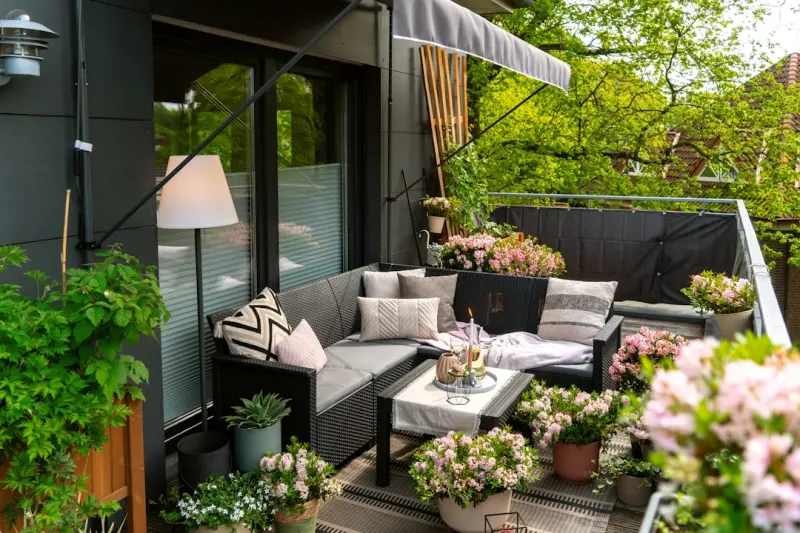
Balcony Gardening: Turning Small Spaces into Seasonal Sanctuaries
Learn how to transform a tiny balcony into a vibrant, functional garden with smart container choices... Read More
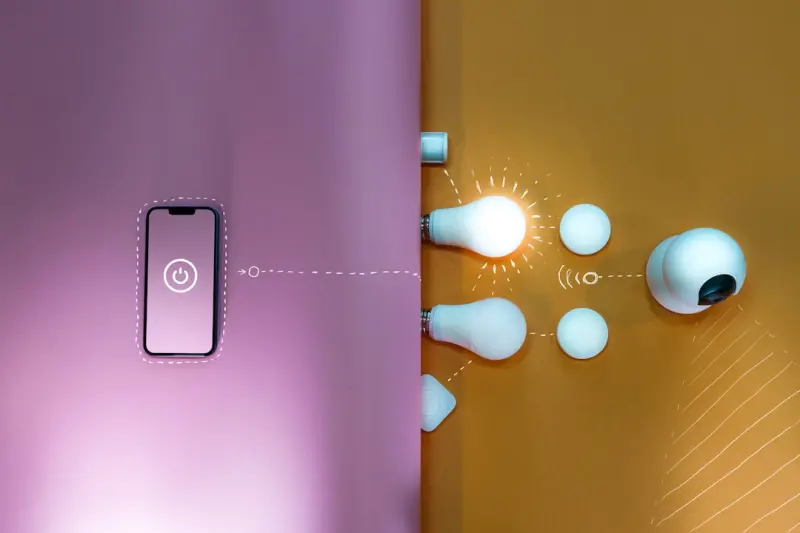
Smart Light Strategies: Shaping Mood and Productivity at Home
Discover practical, budget-friendly lighting hacks that transform every room into a productivity boo... Read More
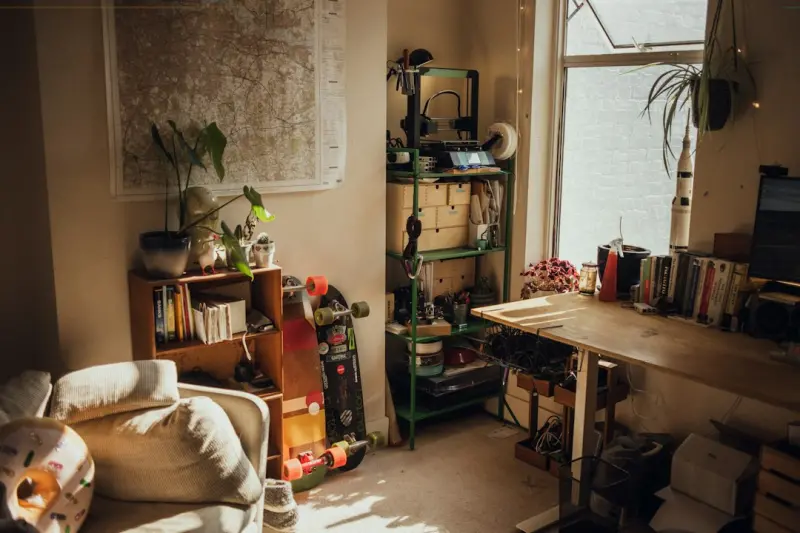
The Secret to a Clutter-Free Home: Low‑Tech Hacks That Actually Stick
A hands‑on guide to low‑tech home organization, featuring simple audits, vertical storage, and d... Read More
Top Posts

The AI‑Powered Path to Authentic Travel Experiences
Travel is evolving from static itineraries to dynamic, AI‑guided journeys that blend data storytelling, real‑time safety, and micro‑immersive experiences,...Read More

Beyond Search: How Google’s Cloud Infrastructure Fuels SaaS Innovation
Explore the often‑overlooked Google services—BigQuery, Pub/Sub, Confidential Computing, and more—that can transform your SaaS product’s scalability, sec...Read More

Seasonal Home Maintenance: A Practical Calendar for Energy Savings and Wellness
Learn how a seasonal checklist can keep your home running smoothly, save energy, and create a healthier living space with natural cleaning tips and smart upkeep...Read More
Gamify Your B2B Funnel: Turning Leads into Players
Learn how to transform a traditional B2B funnel into an interactive, game‑driven experience that accelerates leads, deepens engagement, and ultimately drives ...Read More
0 Comments
Post Comment
You will need to Login or Register to comment on this post!