
Why Sensory Journaling Is the Secret Sauce of Unforgettable Travel
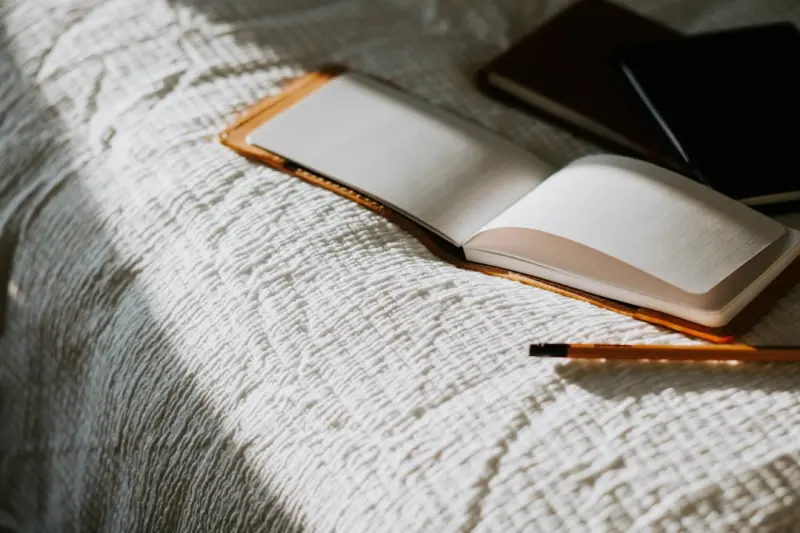
When I first set foot on a bustling market in Marrakech, I didn’t reach for my phone to snap the next Instagram‑ready photo. Instead, I pressed a small notebook to my chest, inhaled the blend of cumin, rose water, and diesel, and let my pen capture the chaos in ink. That moment sparked a habit that has followed me from the cobbled alleys of Porto to the neon‑lit streets of Seoul. Sensory journaling—recording what you see, hear, smell, taste, and feel—turns a fleeting trip into a living archive you can revisit, remix, and learn from long after you’ve boarded the plane home.
The Science (and Poetry) Behind Recording the Senses
Neuroscience tells us that memories anchored to multiple senses are up to ten times more retrievable than those stored in visual alone. When you pair a scent with a story, your brain creates a richer neural web, making the experience feel vivid years later. But beyond the science, there’s a poetic payoff: each note you write becomes a line in a personal travel epic, a story you can read aloud to friends, or a reference point for planning your next adventure.
Tools of the Trade: Analog Meets Digital
- Compact Field Notebook: Choose a pocket‑sized, waterproof notebook. The tactile feel of paper forces you to slow down, and the act of writing cements the memory.
- Miniature Color Palette: A set of watercolor pencils or a tiny set of acrylics lets you capture the hue of a sunrise or the texture of an old stone wall.
- Portable Voice Recorder: When your hands are full, a small recorder (even your phone’s voice memo app) can capture ambient sounds—street musicians, market chatter, distant temple bells.
- Digital Companion: After you return, turn each journey into a personal insight engine by digitizing your notes. Tag entries with location, mood, and themes; later, you can filter for “rainy cafés” or “mountain sunrise” and instantly retrieve the details you need.
Mapping the Unseen: Beyond Streets and Landmarks
Traditional travel guides focus on “what to see.” Sensory journaling asks, “what to feel?” Here’s how to broaden your map:
- Soundscapes: Jot down the cadence of a ferry’s horn, the rhythm of a street vendor’s chant, or the hush of a cathedral. Later, you can replay these moments with a playlist you build from your recordings.
- Scents: Write about the perfume of a lavender field or the metallic tang after a rainy night walk. Pair the note with a simple doodle—a sprig of rosemary or a droplet of oil.
- Taste Trails: Describe the crunch of a fresh baguette, the spice level of a street‑food taco, or the lingering after‑taste of a local coffee. Note the vendor’s name, the time of day, and any conversation that accompanied the bite.
- Texture Log: Was the bench you sat on cold marble or warm wood? Did the sand feel grainy or powdery? Such details can trigger vivid recollections when you revisit the entry.
Creating a Personal Travel Lexicon
After several trips, you’ll notice recurring sensations—perhaps “briny wind” for coastal towns or “café hum” for European capitals. Build a lexicon: a personal dictionary of sensory cues. When you see the phrase “café hum” in your notes, you instantly recall the soft clatter of cups, the low murmur of conversations, and the smell of espresso that defined that moment. This lexicon becomes a shortcut for planning future trips—if you crave that “café hum,” you’ll know which neighborhoods to explore next.
Case Study: A Week in Lisbon’s Hidden Alleys
Instead of the typical tourist itinerary, I chose to wander the lesser‑known “Ladron” neighborhoods. Each day, I spent 15 minutes each evening with my notebook, documenting:
- Day 1 – Sound: The distant call to prayer echoing from a modest mosque, layered with the clatter of tram wheels on cobblestones.
- Day 2 – Smell: The salty breeze mixing with freshly baked pastéis de nata from a street cart, a scent that still makes my mouth water.
- Day 3 – Taste: A tiny tasca serving grilled sardines drizzled with lemon—note the crunch of the skin and the smoky undertone.
- Day 4 – Texture: The cool, smooth tile floor of a hidden courtyard, contrasted with the rough stone of an ancient wall.
After returning home, I digitized the notes, added GPS coordinates, and cross‑referenced them with a tiny trips that pack a punch guide. The result? A curated itinerary for friends who wanted an authentic, sensory‑rich Lisbon experience without the crowds.
Integrating Sensory Insights Into Future Planning
When you have a library of sensory entries, trip planning becomes a creative exercise rather than a logistical one. Start by filtering your digital archive for desired sensations—perhaps “crisp mountain air” or “spicy night market.” Then, use those filters to locate destinations that match your cravings. This approach ensures each new journey feels both familiar and fresh, building on the emotional scaffolding you’ve already constructed.
Travel as a Living Laboratory
Think of each trip as an experiment. Your senses are the instruments; your journal is the lab notebook. By systematically recording observations, you’re not just collecting anecdotes—you’re gathering data that can inform future adventures, creative projects, and even professional work. Many writers and designers have turned their sensory journals into the basis for books, brand stories, and product concepts. The habit can become a competitive edge in any field that values authentic, experience‑driven insight.
Overcoming Common Hurdles
- Time Pressure: If you feel you’re “too busy” to journal, set a timer for five minutes before bed. Even a handful of bullet points can be powerful.
- Fear of Incompletion: Your notebook doesn’t need to be perfect. Sketch a quick line, scribble a scent, and move on. The goal is capture, not curation.
- Digital Distraction: Keep your phone on airplane mode while you write. The absence of notifications sharpens your focus on the present moment.
Closing Thoughts: The Legacy of Your Senses
Travel is fleeting, but the sensations you capture can endure forever. By committing to sensory journaling, you create a personal archive that outlives any photo album. It’s a practice that deepens your connection to place, enriches your storytelling, and equips you with a library of lived experiences you can revisit anytime—whether you’re planning your next getaway, drafting a marketing piece, or simply reminiscing on a rainy afternoon.

Related Posts
Beyond the Guidebook: Crafting Unscripted Adventures in the Age of Instant Itineraries
A fresh take on travel that swaps rigid itineraries for spontaneous storytelling, offering practical... Read More

The Hidden Remote Hubs Redefining Modern Travel
Explore how small, under‑the‑radar towns are becoming the new hotspots for digital nomads, offer... Read More
Turning Trips into Soundtrack Adventures
Ever imagined your travels set to a soundtrack you created? I share how building a personal music mi... Read More
Top Posts
Zero‑Trust Networks: Backbone for Distributed Workforces
Zero‑trust networking has moved from buzzword to business imperative. This article walks through its core principles, practical steps for remote teams, integr...Read More
Google’s 2024 AI Wave: Rose DesRochers’ Insider Perspective on the Search Revolution
Rose DesRochers shares her front‑row take on Google’s 2024 AI wave, revealing how the algorithm shift reshapes SEO, user experience, and future content stra...Read More

Synthetic Data, Real Impact: How SaaS Teams Can Train AI Without Privacy Risks
Synthetic data lets SaaS teams sidestep privacy hurdles and data scarcity, providing a scalable way to train AI models. This post walks through a practical play...Read More
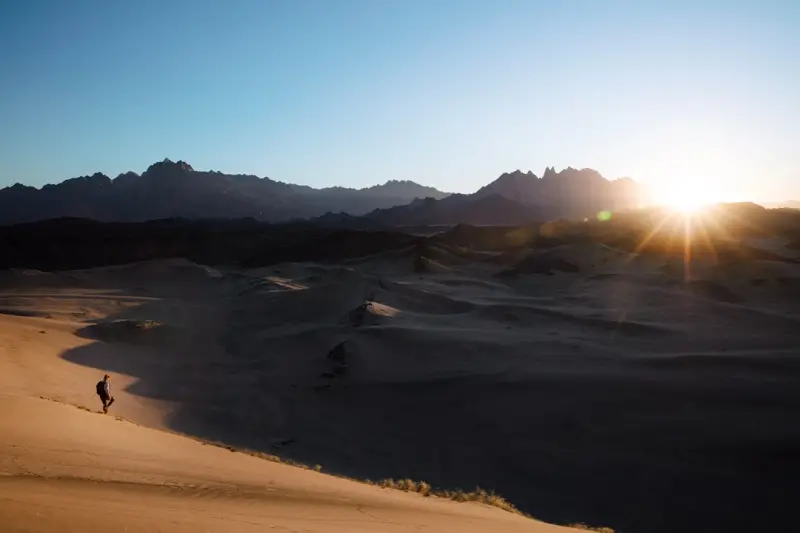
The Rise of Hyper‑Local Micro‑Escapes: Tiny Trips, Big Impact
Discover why micro‑escapes—short, immersive trips to hidden towns and unique locales—are the next big trend in travel, offering deeper experiences, lower ...Read More
0 Comments
Post Comment
You will need to Login or Register to comment on this post!