
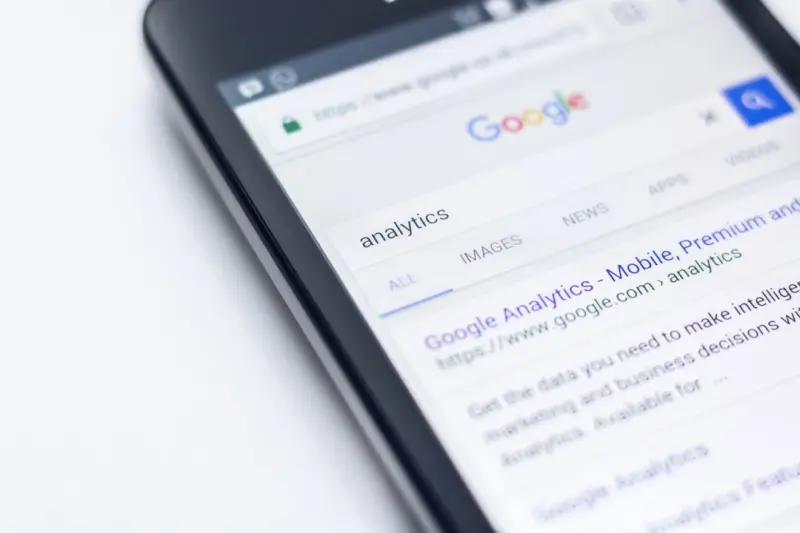
Zero‑Click Search: The New Battleground for SEO
When a user lands on Google’s results page and never clicks a link, the traditional click‑through metric falls silent. This “zero‑click” phenomenon has reshaped how we think about rankings, because the real prize is now the coveted SERP snippet itself. Featured snippets, knowledge panels, and instant answers have become the primary touchpoints for brand exposure, turning the search engine into a direct conduit of information. To thrive, SEOs must shift from merely attracting traffic to owning the answer space where users fulfill their intent without ever leaving the page.
Understanding the Anatomy of a Zero‑Click Result
Google’s answer boxes are constructed from a blend of structured data, algorithmic extraction, and relevance signals. A typical featured snippet pulls a concise paragraph, a list, or a table from a high‑ranking page, then formats it for quick consumption. The surrounding elements—breadcrumbs, sitelinks, and “People also ask” sections—create a layered hierarchy that can dominate the visual real‑estate of the results page. By dissecting these components, you can identify the exact content fragments that Google deems most useful, and then tailor your own pages to match that template.
Crafting Content That Google Loves to Snippet
The first step is to structure your content with clear, answer‑oriented headings. Use H2 and H3 tags to delineate questions and provide succinct bullet‑point answers that can be easily extracted. When you write, adopt a “concise‑first” mindset: lead each section with a 40‑word summary that directly addresses a common query. This not only improves readability for human visitors but also signals to Google the precise snippet it should surface. Additionally, embedding relevant semantic SEO strategies helps the algorithm understand context, increasing the odds that your content will be featured.
Leveraging Structured Data for Rich SERP Features
Schema markup is the technical backbone that tells search engines how to interpret your page’s content. By implementing schema types such as FAQPage, HowTo, and Article, you provide explicit cues that can trigger rich results. These enhanced listings often appear above traditional organic links, capturing attention before the user even scans the rest of the page. Remember to validate your markup with Google’s Rich Results Test to ensure there are no errors that could prevent display.
Optimizing for “People Also Ask” (PAA) Boxes
The “People also ask” widget has become a dynamic, scrollable list of related queries that updates based on user interaction. To win a spot here, you need to anticipate the follow‑up questions that naturally stem from your primary keyword. Create a dedicated FAQ section that addresses these tangential queries, and format each answer in a short paragraph or list. By consistently providing clear, authoritative answers, you increase the likelihood that Google will pull your content into the PAA feed, further expanding your zero‑click presence.
Analyzing Competitor Snippets and Gap Opportunities
Competitive analysis is essential for uncovering snippet gaps you can fill. Use tools like Ahrefs or SEMrush to identify keywords where the featured snippet is absent or dominated by low‑quality content. Once you find these gaps, craft superior, well‑structured answers that surpass the existing entries in depth and clarity. This proactive approach not only boosts your chances of capturing the snippet but also establishes your site as a go‑to resource in that niche.
Measuring Success Beyond Clicks
Traditional SEO metrics—organic traffic, bounce rate, and conversion—still matter, but they must be supplemented with zero‑click KPIs. Track impressions and average position for featured snippets via Google Search Console, and monitor brand lift through direct surveys or assisted conversions. By aligning your reporting with these new indicators, you can demonstrate the tangible impact of owning SERP real‑estate, even when users never click through.
Integrating Community‑Driven Signals for Snippet Authority
Authority isn’t built solely on backlinks; community engagement plays a pivotal role in establishing trust. Encourage user‑generated content, such as reviews and forum discussions, that can be indexed as answer sources. When Google detects a vibrant community around your brand, it may elevate your content in snippet selection. For deeper insights, explore the community‑driven SEO tactics that amplify these signals and reinforce your position as an expert source.
Future‑Proofing Your Zero‑Click Strategy
As AI and voice assistants become more prevalent, the demand for concise, answerable content will only grow. Preparing now means continuously refining your snippet‑friendly structures, staying abreast of schema updates, and regularly auditing your performance in the SERP landscape. By embracing a mindset that values both visibility and utility, you position your brand to dominate the evolving arena of zero‑click search, turning every impression into a silent yet powerful endorsement.

Related Posts

SEO as a Product Feature: A Playbook for SaaS Growth
SEO isn’t a side project for SaaS companies—it's a product feature. This playbook shows how to m... Read More

Beyond Keywords: Building an Entity‑First SEO Strategy for B2B SaaS
In this post, Sanji Patel explains why shifting from keyword obsession to an entity‑driven SEO fra... Read More
Semantic Search & AI: Rethinking SEO for SaaS Growth
Discover a fresh SEO approach for SaaS companies that moves beyond keywords to semantic intent, AIâ€... Read More
Top Posts
Wearable Biofeedback: Turning Your Body Into a Personal Health Dashboard
Biofeedback wearables move beyond step counts, offering real‑time physiological insights that act as a personal health coach, helping professionals manage str...Read More

The Hidden Power of Home Light: How to Shape Mood, Productivity, and Energy
Learn how to use color temperature, layered lighting, and simple smart controls to turn every room into a space that supports mood, productivity, and well‑bei...Read More

Micro‑Movements at the Desk: Tiny Actions, Big Health Gains
Learn practical micro‑movement routines, tech tools, and nutrition tips to keep your body and mind thriving while working at a desk....Read More
Surfing Google’s 2026 AI Wave: A Marketer’s Insider Playbook
Explore Rose DesRochers’ insider playbook for navigating Google’s 2026 AI wave, with practical tactics, ethical guidance, and measurable ROI strategies....Read More
0 Comments
Post Comment
You will need to Login or Register to comment on this post!