
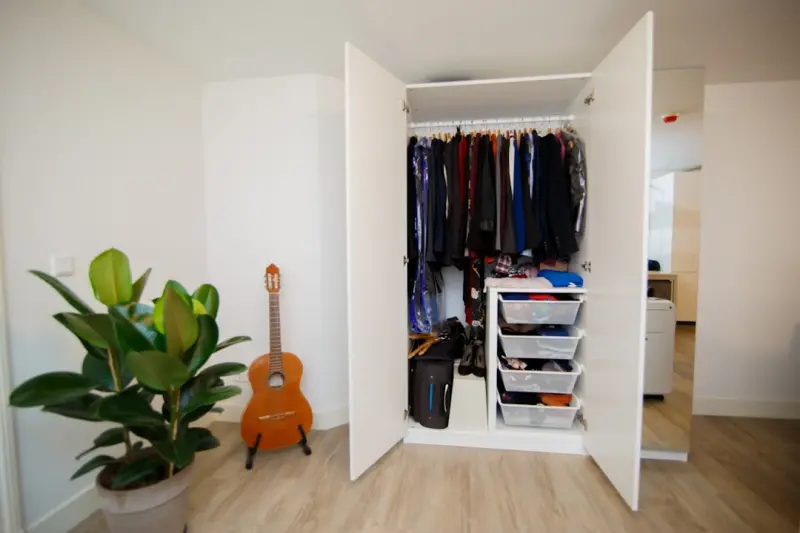
Why Your Closet Deserves a Makeover (Even If You Think It Doesn’t)
Let’s be honest: most of us treat closets like afterthoughts. We shove jackets, shoes, and that one sweater that “might come back in style” into the dark abyss and call it a day. But a cluttered closet does more than just look messy—it adds invisible stress to your daily routine. The good news? You don’t need a professional organizer or a massive budget to turn a cramped cubby into a functional, beautiful sanctuary. With a few strategic tweaks, you can reclaim square footage, protect your garments, and even make dressing a mini‑celebration each morning.
Step 1: Start With a “What‑Do‑I‑Really‑Need?” Audit
Before you buy any new organizers, clear everything out and sort into three piles:
- Keep – Items you wear regularly and love.
- Donate/Swap – Pieces in good condition but no longer suit your style.
- Discard – Anything ripped, stained beyond repair, or that hasn’t seen daylight in three years.
When you finish the audit, you’ll likely discover that 30‑40 % of what you own is just taking up space. Removing these items instantly frees room for smarter storage solutions.
Step 2: Adopt the “Vertical First” Mindset
Floor space is the most precious commodity in small apartments, so think upward. Installing a simple easy indoor greenery shelf not only adds a breath of fresh air but also creates a hidden “second tier” for shoes, hats, or rolled‑up scarves. The key is to keep the shelf shallow (about 6‑8 inches deep) so it doesn’t become a new surface for clutter.
Next, add a hanging rod at the top of the closet (or even a tension rod if you’re renting). This gives you an extra 12‑15 inches of hanging space for longer garments like dresses and coats.
Step 3: Choose Multipurpose Storage Units
When space is limited, every piece must earn its keep. Look for containers that serve two purposes:
- Clear bins with lids – Perfect for seasonal items; the clear front lets you see contents at a glance.
- Drawer dividers – Transform a deep drawer into neatly separated sections for socks, underwear, and accessories.
- Pull‑out shoe racks – Slide them in and out, keeping shoes visible and dust‑free without sacrificing floor area.
Investing in a few high‑quality pieces may feel pricey initially, but the long‑term payoff is an organized closet that actually works for you.
Step 4: Leverage the Power of “Uniformity”
Messy closets often stem from a mix of oddly sized hangers, mismatched bins, and random piles. Standardizing your storage components reduces visual chaos and makes it easier to find what you need. Swap out all plastic hangers for sleek, non‑slip velvet ones. Choose bins that are the same width so they line up perfectly on shelves. The result is a calm, curated look that feels like a boutique rather than a dump.
Step 5: Create “Micro‑Zones” for Frequently Used Items
Think of your closet as a series of tiny workstations. For example, designate a top shelf for “daily accessories” – a handful of scarves, a favorite belt, and a watch box. Keep a low‑height bin at eye level for the top five shirts you wear most often. When you need something, you’ll reach for it instinctively without rummaging through a mountain of clothes.
Step 6: Make Use of the Door (If You Have One)
Closet doors are often underutilized real estate. Install a slim over‑the‑door organizer with pockets for shoes, bags, or seasonal hats. If you’re a fan of smart travel storage hacks, consider a hanging pouch that doubles as a toiletry bag for trips. This way, you turn the door into a functional extension of the closet, freeing up interior space for clothes.
Step 7: Rotate Seasonally, But Keep a “Transition” Section
Many people store away seasonal wear in opaque boxes on the ceiling or under the bed. While that works, it also forces you to dig through everything when the season changes. Instead, keep a “transition” zone—perhaps a low basket or a couple of clear bins—where you place the first few pieces you’ll need for the upcoming season. This small buffer eliminates the panic of hunting for a coat in January or a swimsuit in July.
Step 8: Add a Personal Touch Without Compromising Function
A well‑organized closet should still feel like your space. Add a scented drawer liner, a decorative box for jewelry, or a small framed photo on the inside of the door. These details make the closet feel curated, encouraging you to maintain its order.
Step 9: Maintain the System with a Weekly “15‑Minute Reset”
All the planning in the world won’t matter if you never maintain the system. Set a recurring alarm for a quick 15‑minute tidy‑up each Sunday. Return misplaced items, re‑fold any clothes that slipped out of the drawer, and make a note of any storage gaps you notice. Over time, this habit becomes second nature and the clutter never has a chance to return.
Step 10: Embrace Technology (If You’re Into It)
For the tech‑savvy, a simple inventory app can help you track what you own and when you last wore it. Some apps let you photograph each item and tag it by category, color, or season. This digital catalog becomes a valuable tool when you’re deciding what to donate or when you’re planning outfits for a trip.
Bonus: A Quick “One‑Day Closet Refresh” Challenge
If you’re short on time, try this rapid makeover:
- Take everything out of the closet and place it on your bed.
- Identify the top three items you wear most often and give them prime hanging space.
- Fold the rest using the “file” method (vertical stacking) and place them in a single drawer per category.
- Use one bin for “donate” and another for “store seasonally”.
- Step back, admire the transformation, and reward yourself with a cup of tea.
Even this minimal effort can cut down on the daily “where’s my shirt?” frustration and set the stage for deeper organization later.
Wrapping It All Up
Reimagining a tiny closet isn’t about buying the most expensive organizer on the market; it’s about applying a few strategic principles: declutter ruthlessly, think vertically, standardize your tools, and create micro‑zones that match your daily habits. When you treat your closet as a curated space rather than a storage dump, you’ll notice a ripple effect—less stress, quicker mornings, and a home that feels more intentional.
Remember, the goal isn’t perfection; it’s progress. Start small, stay consistent, and watch your closet (and your mindset) transform into a streamlined sanctuary that supports the life you’re building.

In the world of freelance writing, where creativity and adaptability are paramount, Michelle Fisher stands out as a dedicated and versatile professional. With a passion for crafting compelling narratives and a keen eye for detail, Michelle has established herself as a trusted voice.
Related Posts

The Art of Quiet Corners: Transforming Overlooked Nooks into Functional Retreats
Discover practical ways to identify, design, and maintain under‑used corners in any home, turning ... Read More

Crafting a Calm, Functional Home Without a Full Renovation
Learn how to map daily flow, improve acoustics, add sustainable storage, streamline kitchens, and us... Read More

DIY Fragrance Zones: Turn Any Room into a Sanctuary
Discover step‑by‑step DIY fragrance zones that transform each room’s atmosphere with natural s... Read More
Top Posts

Seasonal Home Reset: Refresh Your Space Without a Full Renovation
Discover a practical seasonal reset guide that uses light, color, scent, and smart tweaks to transform your home’s atmosphere, boost well‑being, and avoid c...Read More

How to Build a Low‑Noise Sanctuary at Home
Learn step‑by‑step techniques—from sealing gaps and adding heavy curtains to using smart home features and acoustic plants—to transform any room into a ...Read More

Breathing Easier at Home: How to Upgrade Your Remote Workspace Air Quality
Learn how to transform your home office into a healthier workspace with easy ventilation tricks, smart sensors, and plant power, all backed by data‑driven str...Read More

Why Private Communities Are the Secret Weapon for B2B SaaS Growth
Private communities turn customers into collaborators and advocates, creating a self‑sustaining engine of growth. Learn how to build, gamify, and measure a co...Read More
0 Comments
Post Comment
You will need to Login or Register to comment on this post!