
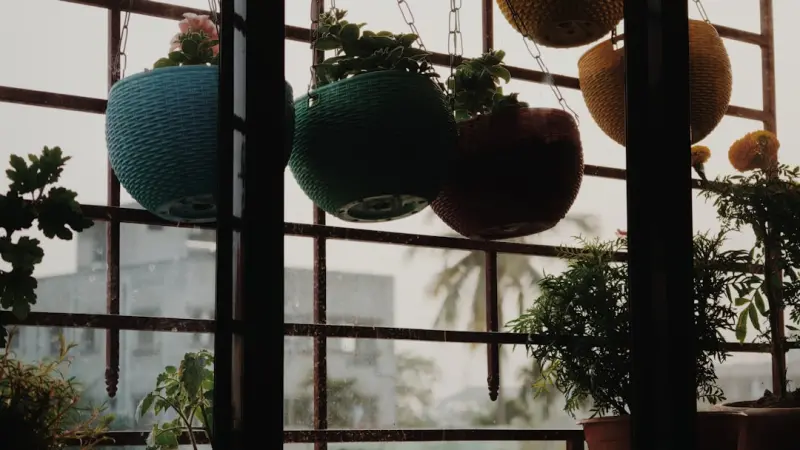
Why a Low‑Maintenance Indoor Garden is the Ultimate Home Hack
When the inbox never empties, the commute feels endless, and your “to‑do” list looks like a novel, the idea of adding another responsibility can feel like a betrayal. Yet, the human brain craves a touch of nature. Even a single thriving leaf on a windowsill can lower stress, boost creativity, and improve air quality. The trick is to design a garden that thrives on neglect—one that fits into a busy schedule without demanding a daily watering ritual.
Choosing the Right Plants: The “Set‑and‑Forget” Philosophy
The foundation of any low‑maintenance indoor garden is the plant itself. Opt for species that are resilient, adaptable to varying light levels, and forgiving of occasional lapses in care.
- Snake Plant (Sansevieria) – Tolerates low light, stores water in its leaves, and can survive weeks without watering.
- Zanzibar Gem (Zamioculcas zamiifolia) – Thrives in indirect light and needs watering only when the soil is bone‑dry.
- Pothos (Epipremnum aureum) – A trailing vine that does well in low‑to‑medium light and can be pruned into a tidy cascade.
- Spider Plant (Chlorophytum comosum) – Loves bright, indirect light but can handle occasional shade; its offshoots make propagation effortless.
- Succulents & Cacti – Perfect for sunny windowsills; they require minimal water and add sculptural interest.
By selecting plants that naturally align with a low‑care routine, you remove the biggest barrier to indoor gardening: the fear of killing your green friends.
Understanding Light Without Becoming a Light‑Scientist
Light is the lifeblood of photosynthesis, but you don’t need a Ph.D. to harness it. Harnessing natural light for your home’s well‑being also benefits plants. Here’s a quick cheat‑sheet:
- Bright, indirect light – Ideal for most foliage plants. Place them near east‑ or west‑facing windows.
- Low light – Snake plants and ZZ plants excel here. A north‑facing window or a spot a few feet away from a bright window works.
- Direct sunlight – Perfect for succulents and cacti. A south‑facing windowsill ensures they get the sun they love.
If a room lacks sufficient sunlight, consider a plug‑in LED grow light. Set it on a timer for 12‑hours a day and you’ve essentially automated the light component.
Watering Made Simple: From Forgetful to Foolproof
Water is the most common source of plant stress, but the solution is surprisingly straightforward.
- Self‑watering pots – These containers have a water reservoir that releases moisture as needed. They’re perfect for the “I forget to water” crowd.
- Moisture‑meter sticks – Insert a probe into the soil; when it reads dry, it’s time to water.
- Batch watering – Group your plants together on a tray and give them a thorough soak once a week. The excess water drains, preventing root rot.
- Automation – For tech‑savvy homes, a simple drip‑irrigation system connected to a timer can keep a whole shelf of plants hydrated for months.
Remember: most indoor plants prefer to dry out a bit between waterings. Over‑watering is a far bigger problem than occasional neglect.
Soil and Containers: The Unsung Heroes
Choosing the right medium can make a world of difference. A well‑draining potting mix—often a blend of peat, perlite, and pine bark—prevents water from pooling at the roots. Pair it with containers that have drainage holes, and you’ve set the stage for healthy growth.
For a modern aesthetic, consider:
- Terracotta pots – Porous, allowing excess moisture to evaporate.
- Fabric grow bags – Breathable and lightweight, they encourage healthy root systems.
- Recycled glass jars – Great for small succulents; just remember to add a layer of stones at the bottom for drainage.
Smart Solutions: When Technology Meets Greenery
Smart home devices aren’t just for lighting and thermostats. A handful of plant‑focused gadgets can keep your garden thriving while you focus on work or family.
- Bluetooth soil sensors – These tiny devices send moisture, temperature, and light data straight to your phone.
- Wi‑Fi humidifiers – Perfect for tropical plants; set them to run a few minutes each morning.
- Voice‑controlled irrigation – Ask your voice assistant to start a watering cycle, and a connected valve will do the rest.
These tools are optional, not essential. The core principle remains the same: create a system that reduces manual effort.
Designing the Space: From Shelf to Sanctuary
The visual impact of an indoor garden can be as rewarding as its health benefits. Here are three layout ideas that blend style with simplicity.
Vertical Green Wall
Mount a series of pocket planters or a living‑wall system on a blank wall. It turns an empty surface into a living piece of art and frees up floor space. Use trailing vines like pothos to create a cascading effect.
Tiered Shelf Garden
A narrow ladder shelf or a set of stacking crates provides multiple levels for different light requirements. Place sun‑loving succulents on the top tier and low‑light tolerant foliage below.
Window Sill Gallery
Line your favorite window with a row of matching pots. The uniform look feels intentional, yet each plant can have its own personality. Add a small decorative tray for pebbles or shells to complete the look.
Integrating Greenery with Existing Home Zones
Plants can enhance any room without overwhelming it. Think of them as functional décor.
- Home office – A snake plant on the desk improves air quality and reduces eye strain.
- Living room – A tall ficus or rubber plant adds height and a focal point.
- Kitchen – Herbs like basil and mint thrive on sunny countertops and reward you with fresh flavor.
- Bathroom – Ferns love humidity; place them near the shower for a spa‑like vibe.
Low‑Tech Calm: Borrowing Ideas from quiet corners
Even in a high‑tech household, a plant‑filled nook can serve as a low‑tech sanctuary. Pair a small table, a comfortable chair, and a few hardy plants to create a “green retreat.” This space becomes a natural pause button, encouraging you to step away from screens and reset your mental state.
Sustainable Practices: Green Meets Green
Eco‑friendly habits dovetail nicely with indoor gardening.
- Reuse water – Collect runoff from self‑watering pots to water floor plants.
- Compost coffee grounds – Sprinkle them lightly into soil for a nitrogen boost.
- Recycle containers – Turn old jars, tin cans, or even vintage teacups into planters.
- Choose native species – They tend to be more pest‑resistant and require less intervention.
Travel‑Inspired Plant Picks: A Nod to Travel Light, Live Large
If you love wandering the globe, let your indoor garden reflect those adventures. A small “air plant” (Tillandsia) can evoke the desert landscapes of the Southwest, while a fiddle‑leaf fig brings a touch of tropical rainforest vibes into your living room. These selections add personality and a story‑telling element without complicating care.
Seasonal Check‑In: A Minimalist Calendar
Instead of a dense maintenance schedule, adopt a simple four‑step seasonal routine.
- Spring – Inspect every pot for new growth, repot any crowded roots, and add a light fertilizer.
- Summer – Rotate pots weekly for even light exposure; increase watering slightly if the home is hotter.
- Fall – Trim dead leaves, reduce watering frequency, and consider moving sun‑loving plants away from intense afternoon light.
- Winter – Lower watering further; keep plants away from drafts and heating vents.
This approach ensures your garden stays healthy without demanding daily attention.
Putting It All Together: Your First Low‑Maintenance Garden in 30 Minutes
Ready to jump in? Follow this rapid‑setup guide.
- Pick a location – Choose a spot with the right light level (e.g., a north‑facing window for low‑light plants).
- Gather containers – Use two self‑watering pots and one recycled glass jar.
- Choose three plants – A snake plant, pothos, and a small succulent.
- Add soil – Fill each pot with a well‑draining mix.
- Plant – Gently set the roots, pat the soil, and give each plant a brief soak.
- Set a reminder – Use your phone’s calendar to check moisture levels once a month.
- Enjoy – Step back, admire the greenery, and notice the instant uplift in the room’s atmosphere.
That’s it—no weeks of research, no costly equipment, just a few thoughtful choices that pay off in calm, cleaner air, and a dash of natural beauty.
Final Thoughts: Green Is the New Minimalist
In a world that constantly demands more—more emails, more meetings, more multitasking—the simplest antidote is often the most effective: a living plant that requires almost nothing. By embracing a low‑maintenance indoor garden, you’re not just adding décor; you’re investing in a subtle, continuous wellness boost that aligns perfectly with a busy lifestyle.
Take the first step today. Pick a plant, find a spot, and let nature do the heavy lifting. Your future self will thank you for the quiet moments of calm, the cleaner air, and the satisfaction of watching something thrive on autopilot.

David Moore is a freelance writer specializing in two dynamic and ever-evolving fields: gambling and the tech industry. With a keen eye for detail and a knack for unraveling complex topics, David delivers insightful and engaging content that keeps readers informed and entertained.
Related Posts
Breathe Easy: Simple Home Hacks for Healthier Air
Learn practical, low‑cost strategies to enhance indoor air quality—from natural ventilation and ... Read More
Seasonal Décor Swaps: A Fresh Way to Revitalize Every Room
Learn practical steps to rotate décor seasonally, from textiles and plants to smart lighting, creat... Read More

Smart Energy Hacks for a Greener, Wallet‑Friendly Home
A practical guide blending smart thermostat technology with everyday habits to slash energy bills, i... Read More
Top Posts

Surfing the Google AI Wave: A Marketer’s Personal Journey
A marketer’s candid guide to mastering Google’s AI wave, blending data precision with creative storytelling for lasting success....Read More

Riding Google’s AI Wave: How to Keep Your Brand Human and Thriving
Explore practical steps to blend Google’s AI tools with genuine brand voice, preserving authenticity while boosting performance and staying ahead of the curve...Read More

AI‑Generated Micro‑Video Shorts: The New Engine for B2B Lead Nurturing
Micro‑video shorts created with generative AI are reshaping B2B digital marketing, delivering high‑engagement, personalized content that drives leads, accel...Read More

Surfing the 2026 Google AI Wave: A Marketer’s Insider Playbook
In 2026, Google’s AI revolution demands a fresh strategy; explore insider tactics, privacy‑first practices, and a proven playbook to dominate the new search...Read More
0 Comments
Post Comment
You will need to Login or Register to comment on this post!