
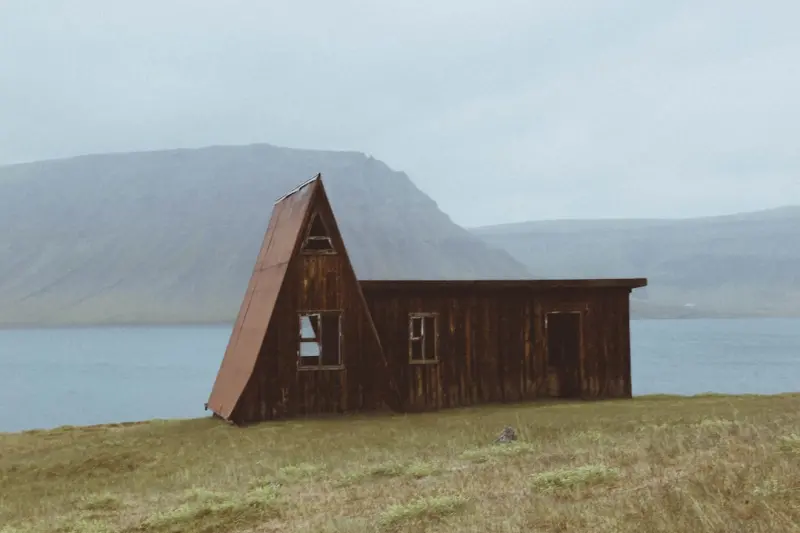
Why the “Home‑Away‑From‑Home” is the Next Big Travel Trend
When I first set out on a solo trek across the highlands of Patagonia, my backpack was packed with the usual essentials: a sturdy pair of boots, a weather‑proof jacket, and a notebook for sketching the jagged horizons. What I didn’t anticipate was the growing desire to bring a piece of home into every new city, every remote cabin, every fleeting hostel room. This isn’t about lugging a full‑size sofa across continents; it’s about curating a portable sanctuary that feels intentional, comforting, and deeply personal, no matter where the road leads.
From “Just Passing Through” to “Rooted Exploration”
Travel used to be measured in miles and check‑list items. Today, the most rewarding journeys are measured in moments of belonging. The shift is subtle but profound: travelers now crave experiences that let them settle in, observe, and genuinely engage rather than sprinting from one landmark to the next. This isn’t a retreat into complacency; it’s an evolution toward hyper‑local immersion. By creating a mini‑home base wherever you land, you give yourself the mental bandwidth to listen to street musicians, chat with the shopkeeper, and savor the flavors of a neighborhood’s hidden café.
Designing a Portable Sanctuary
Think of your travel sanctuary as a modular kit—a collection of lightweight, multi‑purpose items that can be assembled, disassembled, and re‑imagined on the fly. Below are the core components I’ve refined over the years:
- Compact Comfort Layer: A high‑quality, packable mattress topper (often just a few centimeters thick) that slides under any bed or couch, instantly upgrading sleep quality.
- Ambient Light Pack: A rechargeable LED lantern with adjustable color temperature. Warm tones for evenings of reflection; cooler hues for focused work sessions.
- Micro‑Green Kit: A tiny, self‑watering herb garden that fits in a shoe box. It’s not just about fresh basil for pasta; the act of nurturing a living thing anchors you to the present.
- Soundscape Device: A Bluetooth speaker pre‑loaded with ambient tracks—rainforest, ocean surf, city night hum—to mask unfamiliar noises and create a soothing auditory backdrop.
- Digital Workspace Hub: A lightweight laptop stand, a portable Wi‑Fi hotspot, and a pair of noise‑cancelling earbuds. When you need to catch up on emails or write a blog post, the setup is ready in seconds.
Each element is deliberately chosen for its dual purpose: comfort at home and utility on the road.
Technology as a Trusty Co‑Pilot, Not a Distraction
While the travel community often warns against over‑reliance on gadgets, the right technology can actually enhance the sense of home‑ness. I use a AI‑powered itinerary assistant that learns my preferences—quiet cafés, sunrise hikes, local art studios—and suggests spots that align with my evolving mood. The key is to let the AI work behind the scenes, freeing mental space for genuine discovery rather than endless scrolling.
Another tool I swear by is a cloud‑based note‑taking app that syncs across all devices. I capture fleeting thoughts, sketch maps of alleyways, and record the taste notes of a street‑food vendor. Later, back at my desk, these snippets become the raw material for deeper storytelling.
Sustainable Footprints: Travel Light, Travel Thoughtfully
Portability naturally encourages sustainability. By traveling with fewer possessions, you reduce the carbon cost of shipping, manufacturing, and waste. Moreover, the micro‑green kit mentioned earlier serves a dual purpose: it reduces reliance on single‑use plastics (no need for hotel‑provided bottled water when you can fill a reusable bottle with filtered water) and it reminds you of the ecological impact of each step.
For those looking to deepen their eco‑consciousness, consider partnering with local conservation projects. A few hours of volunteer work—planting trees, cleaning beaches, or helping at community gardens—creates a tangible connection to the place and leaves a positive imprint.
The Storytelling Edge: Turning Your Portable Sanctuary into Content Gold
Every traveler is a storyteller, but when you have a consistent home‑base aesthetic, your content gains a recognizable thread. Readers (or viewers) start to associate your brand with a specific visual and emotional palette: soft lighting, a hint of basil aroma, the gentle hum of a curated playlist.
When I share a photo of my lantern glowing beside a freshly brewed coffee in a cramped hostel room, the image instantly conveys comfort, curiosity, and authenticity. Pair that visual with a short narrative about the neighbor who taught me how to make the perfect espresso, and you’ve got a piece of content that resonates on a human level.
Practical Checklist for the First‑Time “Home‑Away‑From‑Home” Traveler
- Audit Your Essentials: List every item you currently travel with. Trim anything that isn’t multipurpose.
- Source Modular Gear: Invest in items that can serve multiple functions (e.g., a blanket that doubles as a privacy screen).
- Test at Home: Assemble your kit in a spare room. Ensure everything fits into a single carry‑on bag.
- Choose a Tech Stack: Pick one AI assistant, one note‑taking app, and one portable Wi‑Fi solution. Keep it simple.
- Plan Sustainable Touchpoints: Identify at least one local initiative you’ll support in each destination.
- Document the Process: Capture unboxing, setup, and first‑night impressions. This raw material will become future blog posts or social reels.
Case Study: A Week in Lisbon with a Portable Sanctuary
To illustrate the concept, here’s a snapshot from my recent trip to Lisbon:
- Day 1 – Arrival: After a short flight, I set up my compact comfort layer on the hostel’s bunk. The LED lantern’s amber glow made the unfamiliar room feel instantly welcoming.
- Day 2 – Exploration: My AI itinerary assistant suggested a hidden rooftop garden in Alfama. While sipping tea brewed with fresh basil from my micro‑green kit, I chatted with a local artist about azulejos (Portuguese tiles).
- Day 3 – Work Session: I used the laptop stand and portable hotspot to draft a piece on “Travel as a Practice of Presence.” The ambient soundscape of distant Fado music helped maintain focus.
- Day 4 – Giving Back: I spent a morning helping at a community garden in a nearby suburb, planting seedlings that would later be harvested for a local food bank.
- Day 5 – Reflection: Back in my temporary sanctuary, I recorded a voice note describing the day’s sensory details—rain on the cobblestones, the salty sea breeze, the hum of tram 28. This audio later became the intro for a podcast episode.
The result? A seamless blend of work, play, and purpose, all anchored by a familiar, comforting environment.
Future‑Proofing Your Travel Lifestyle
As the world continues to embrace remote work, the “home‑away‑from‑home” model will become less of a niche and more of a mainstream expectation. Companies are already offering stipends for remote‑work setups that include ergonomic chairs and portable monitors. Travelers who have already mastered the art of creating a portable sanctuary will find themselves at a distinct advantage—able to adapt quickly, stay productive, and maintain mental well‑being across time zones.
In the coming months, I anticipate a surge in sustainable travel tech platforms that help nomads offset their carbon footprints in real time, integrate with local volunteer networks, and suggest eco‑friendly accommodations based on personal preferences.
Wrapping Up: Your Journey Starts With a Single Layer
Travel is no longer a binary choice between “home” and “away.” It’s an evolving continuum where you can bring home with you—a curated set of comforts, tools, and rituals that make each new city feel like an extension of your living room. By thoughtfully selecting modular gear, leveraging subtle technology, and committing to sustainable practices, you create a travel experience that is both adventurous and grounding.
So, the next time you pack for a trip, ask yourself: What will make this destination feel like a natural extension of my own space? The answer lies in the intentional, portable sanctuary you build, one layer at a time.

Margaret Thomson is a seasoned freelance writer specializing in the dynamic worlds of marketing and advertising. With a career deeply rooted in the marketing field, Margaret brings a wealth of practical experience and insightful knowledge to her writing.
Related Posts

Unlocking Personal Growth in the Gaps Between Flights
Learn to transform idle travel moments into powerful personal‑development sessions with microlearn... Read More
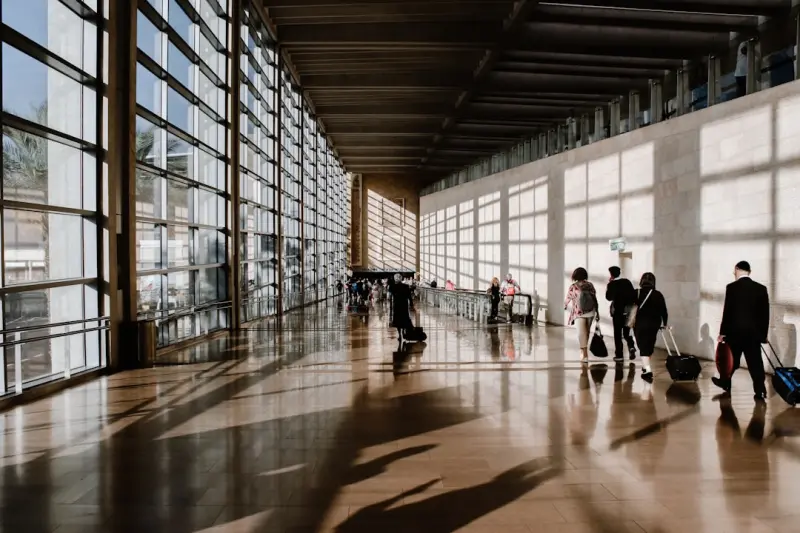
Turning Airports into Networking Hubs: Grow Your Business While You Travel
Discover a strategic approach to travel that turns every airport lounge, café, and co‑working spa... Read More

Why the Train Is the Ultimate Travel Companion for the Modern Wanderer
Explore how choosing train travel transforms the journey into a creative, productive, and eco‑frie... Read More
Top Posts

Creative Home Hacks to Elevate Everyday Living
Explore innovative, low‑cost home hacks that turn ordinary rooms into personalized retreats, improve air quality, and boost daily comfort....Read More
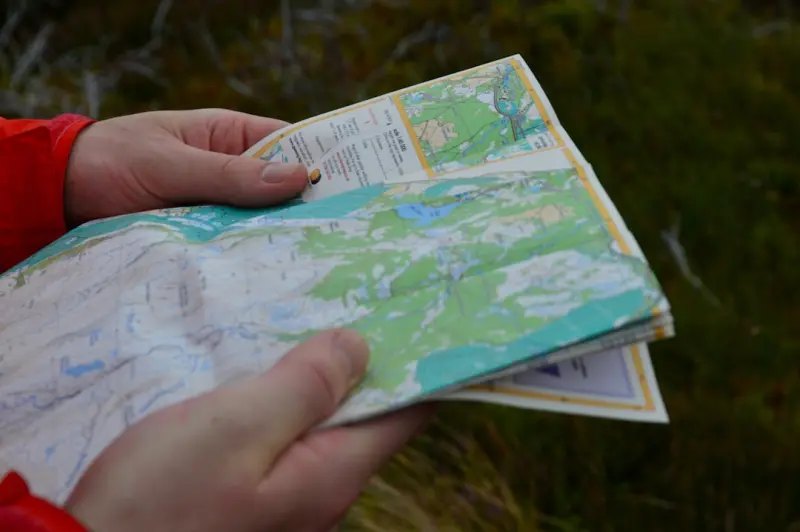
Wander Off the Map: How Small‑Town Adventures Rewrite the Travel Playbook
Explore the art of slow, sensory travel through hidden small‑town gems, train journeys, and authentic local stays that turn every trip into a personal story....Read More

Riding Google’s AI Wave: My Insider Playbook for Human‑Centric Brands
Learn to navigate Google’s AI surge with a human‑first approach, blending authenticity, privacy, and new metrics to keep your brand thriving in search....Read More
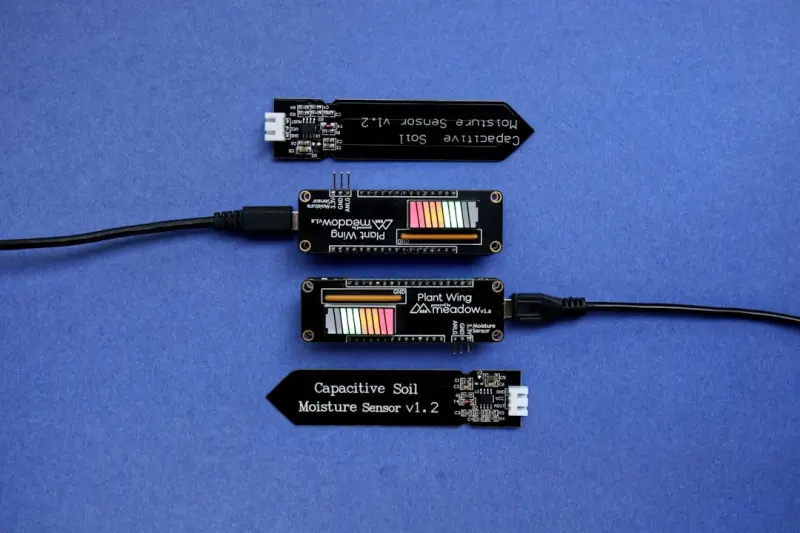
Observability‑First Architecture: Turning Real‑Time Telemetry into Business Insight
Observability‑first architecture makes telemetry a core product feature, accelerating incident response, improving security, and delivering measurable busines...Read More
0 Comments
Post Comment
You will need to Login or Register to comment on this post!