
Why Global SEO Is the Secret Sauce for Scaling SaaS
When I first joined a fast‑growing SaaS startup, the board’s growth playbook was a simple three‑step dance: run ads, close demos, upsell existing customers. It worked—until we hit the ceiling of our domestic market. The moment we started looking beyond borders, the “one‑size‑fits‑all” approach to SEO fell apart. International SEO isn’t just translation; it’s a cultural, technical, and strategic overhaul that can unlock untapped revenue streams worth millions.
Understanding the Real Cost of Ignoring International Audiences
Most SaaS CEOs assume that English‑only content will capture the world because English is the lingua franca of tech. The data says otherwise. In the last five years, over 60 % of B2B buyers in Europe, APAC, and Latin America prefer to research in their native language. Ignoring that preference isn’t just a missed opportunity—it sends a clear signal that your product doesn’t speak their business language, literally and figuratively.
International SEO lets you meet prospects where they are, in the language they trust, while also signaling to Google that you’re a genuine, global authority. The payoff? Higher click‑through rates, lower bounce rates, and a smoother funnel that doesn’t require costly paid media to compensate for organic gaps.
Step 1: Deep‑Dive Market Research and Keyword Localization
The first mistake many SaaS teams make is treating a translated keyword list as a finished product. Keyword intent varies wildly across regions. For example, “CRM” in the United States often maps to “Customer Relationship Management,” while in Germany the same intent might be expressed as “Kundenverwaltung.” Even within the same language, regional idioms shift the way buyers phrase their problems.
My go‑to framework is threefold:
- Intent Mapping: Start with a list of core product pain points (e.g., “team collaboration,” “workflow automation”). Then use local search tools (Google Keyword Planner, Ahrefs, or regional platforms like Naver for Korea) to discover how those pains are voiced in each market.
- Competitor Benchmarking: Identify top‑ranking local competitors—not just global SaaS rivals. Analyze their meta tags, headings, and content structure to spot gaps you can fill.
- Volume vs. Relevance Balance: A high‑volume term in a market might be dominated by a non‑SaaS player (e.g., “project management software” in Brazil might be saturated with local ERP solutions). Prioritize terms that align tightly with your unique value proposition.
Step 2: Technical Foundations That Speak Every Country
Even the best‑crafted content will flounder if search engines can’t tell them apart. International SEO hinges on three technical pillars:
Hreflang Tags Done Right
Hreflang tells Google which language and region version of a page should be shown to which user. A common pitfall is using the same URL for multiple languages and relying solely on lang attributes. That confuses crawlers and dilutes ranking potential. Instead, pair hreflang with distinct URLs—whether you choose country‑code top‑level domains (ccTLDs), subdomains, or subfolders.
Choosing the Right URL Structure
My experience shows that subfolders (example.com/de/) strike the best balance between SEO equity and operational simplicity for SaaS companies that host a single codebase. ccTLDs (example.de) provide strong geographic signals but increase maintenance overhead. Subdomains (de.example.com) can be useful when you need separate hosting or legal compliance.
Speed, Security, and Core Web Vitals
International audiences often hit your site from regions with slower internet connections. Leveraging a CDN, compressing assets, and ensuring HTTPS across all locales isn’t optional—it’s a ranking factor in every market. Remember that Google’s Core Web Vitals are now a global ranking signal, not just a US‑centric metric.
Step 3: Content Strategy That Resonates Locally
Once you have the technical scaffolding, the real work begins: creating content that feels native.
- Localized Thought Leadership: Instead of a blanket “Why Our SaaS Is the Best,” develop region‑specific case studies, whitepapers, and webinars. For instance, a German‑language case study featuring a local fintech firm will outperform a generic US success story in German SERPs.
- Culture‑First Messaging: Adapt not just words but the story arc. In Japan, subtlety and trust‑building matter more than bold claims. In Brazil, a lively, conversational tone can drive engagement.
- Leverage Existing Assets: Repurpose product documentation, FAQ pages, and knowledge bases into SEO‑friendly articles. This approach aligns with the AI‑Driven Knowledge Graphs mindset—turning raw data into discoverable content.
Step 4: Structured Data & Rich Results—Your International Edge
Structured data isn’t just for e‑commerce. SaaS sites can use schema types like SoftwareApplication, FAQPage, and HowTo to surface rich snippets that answer searchers’ questions before they even click. When you pair localized schema markup with hreflang, you give Google a crystal‑clear map of both language and intent.
For example, a French‑language FAQ about GDPR compliance, marked up with FAQPage, can appear directly in SERPs for French queries about data privacy—driving qualified traffic without a single ad dollar spent.
Step 5: Measuring Success & Iterating at Scale
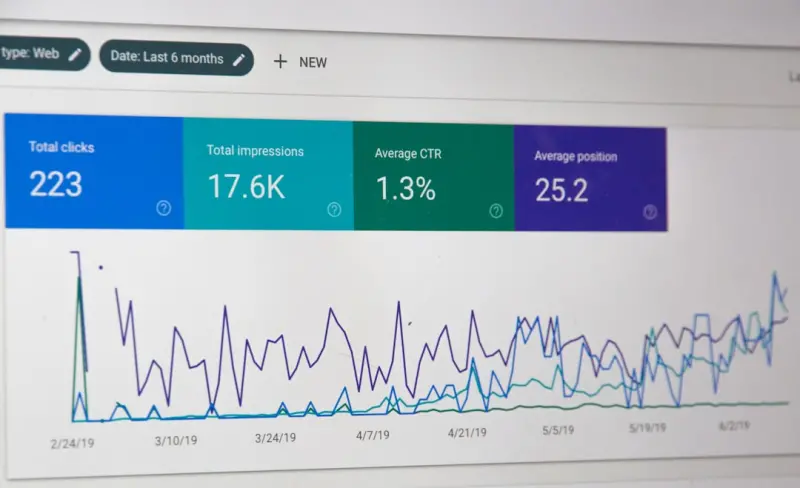
International SEO is a marathon, not a sprint. Set up country‑specific dashboards in Google Search Console and Google Analytics. Track metrics like:
- Impressions & Click‑through Rate (CTR) by locale
- Organic landing page conversion rate (free‑trial sign‑ups, demo requests)
- Backlink profile diversity across regions
When you spot a dip in a market, dig into the underlying data: Is a competitor launching a new campaign? Did a Google algorithm update affect localized results? The answers often guide the next round of content or technical tweaks.
Bridging the Gap: How Conversational Interfaces Influence International SEO
While we’ve covered the fundamentals of multilingual content, there’s an emerging layer that many SaaS marketers overlook: conversational interfaces. The Conversational SEO playbook highlighted how chatbots and voice assistants can surface brand content in new SERP features. For international audiences, ensuring your bot understands regional slang and language nuances can amplify your SEO footprint—think of a Spanish‑speaking chatbot that answers “¿Cómo gestiono proyectos remotos?” and surfaces a localized blog post that’s already ranking well.
Future‑Proofing: Preparing for the Next Wave of Search
Google’s Search Generative Experience (SGE) is reshaping how results are presented, moving from a list of links to AI‑generated answers. The Beyond Keywords article explained that context and authority will dominate. International SEO gives you a head start: diverse, high‑quality content in multiple languages builds the very authority that AI‑driven search models prioritize.
In practice, this means investing now in robust multilingual schema, localized expertise, and a content pipeline that can scale as new markets open. When the next search paradigm shift arrives, you’ll already have the multilingual foundation that Google’s AI looks for.
Takeaway Checklist for SaaS Leaders
- Map buyer intent across target languages before translating.
- Implement precise hreflang tags and choose a URL structure that balances SEO equity with operational efficiency.
- Localize content with cultural nuance—don’t just translate.
- Deploy structured data for software, FAQs, and how‑to guides in each language.
- Monitor country‑specific performance metrics and iterate quickly.
- Integrate conversational interfaces that respect regional language variations.
- Future‑proof your SEO by building multilingual authority ahead of AI‑driven search changes.
International SEO isn’t a “nice‑to‑have” add‑on; it’s a strategic imperative for any SaaS aiming to scale beyond its home market. By treating each locale as a distinct audience—while leveraging a unified technical framework—you’ll turn global search traffic into a sustainable, high‑quality pipeline. The world is already searching for solutions you’ve built; it’s time to meet them in their own language.

In the world of freelance writing, where creativity and adaptability are paramount, Michelle Fisher stands out as a dedicated and versatile professional. With a passion for crafting compelling narratives and a keen eye for detail, Michelle has established herself as a trusted voice.
Related Posts

Structured Data: The SaaS SEO Game‑Changer
Learn why structured data is essential for SaaS SEO, with a step‑by‑step guide, advanced tactics... Read More

AI‑Generated Meta: Scaling SEO‑Friendly Content
This post explores a practical, human‑in‑the‑loop workflow for using AI to generate meta title... Read More

Zero‑Click SEO: Turning Featured Snippets into SaaS Leads
Zero‑click searches dominate modern SERPs, turning featured snippets into prime real‑estate for ... Read More
Top Posts

Turning Chatbots Into SEO Powerhouses for SaaS
Learn how to transform your SaaS chatbot into a robust SEO asset. By aligning conversational data with keyword intent, adding structured markup, and measuring i...Read More

Zero‑Party Data: The New Frontier for B2B SaaS Marketers
Zero‑party data lets B2B SaaS marketers capture voluntarily shared insights, enabling real‑time personalization, stronger trust, and higher revenue without ...Read More

When AI Learns to Adapt: Crafting Real‑Time Personal Experiences for B2B SaaS
Adaptive AI moves beyond static segmentation, delivering real‑time, context‑aware experiences that feel like a live consultant. Learn how to build, measure,...Read More

The Quiet Revolution: How Federated Learning Is Redefining SaaS Privacy
Federated learning lets SaaS platforms train AI models directly on customer data without moving it, offering privacy, cost savings, and better personalizationâ€...Read More
0 Comments
Post Comment
You will need to Login or Register to comment on this post!