
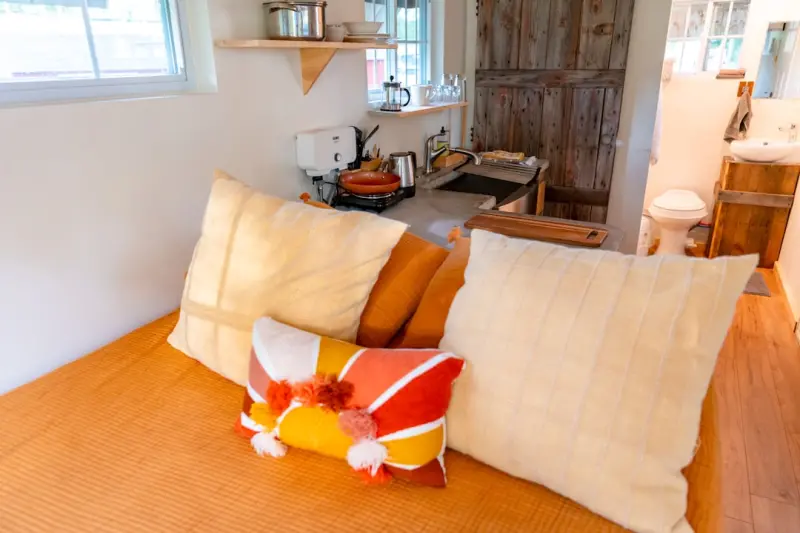
Welcome to Your Personal Sensory Sanctuary
When I first stepped into my childhood home, the smell of fresh pine, the soft hum of the refrigerator, and the warm glow of the kitchen lamp wrapped around me like an old friend. That feeling—quiet, comforting, and unmistakably yours—has become the cornerstone of my home‑tips philosophy. Over the years I’ve learned that a sanctuary isn’t built from a single statement piece; it’s crafted from a series of tiny, intentional tweaks that together shape how a space feels, sounds, and even smells.
Why the Senses Matter More Than You Think
Our brains are wired to react to sensory cues in milliseconds. A flash of harsh blue light can spike cortisol, while a subtle scent of lavender can trigger dopamine release. By consciously curating what you see, hear, feel, and smell, you can transform a chaotic house into a sanctuary that supports focus, relaxation, and even creativity. Think of it as a series of micro‑moments for the home—each intentional sensory decision nudges your mood in a positive direction.
Step 1: Light the Way—Gentle, Adjustable Illumination
Lighting is the silent director of your home’s mood. Here’s how to make it work for you:
- Layered lighting: Combine ambient (overhead), task (desk lamps), and accent (wall sconces) lights. This gives you control over brightness and focus.
- Warm temperature: Aim for bulbs in the 2700‑3000 K range. Warm light mimics sunrise and sunset, promoting relaxation.
- Dimmable switches: Install smart dimmers or simple pull‑chains so you can lower the light as the evening deepens.
- Natural light zones: Position reading nooks or workspaces near windows. When the sun is out, let it be your primary light source.
Pro tip: A small strip of LED lights behind a bookshelf or under a kitchen counter adds a soothing glow without overwhelming the room.
Step 2: Soundscapes That Soothe
We often think of sound as background noise, but it can be a powerful ally. Instead of battling the hum of a refrigerator or the clatter of traffic, turn those moments into a curated soundscape.
- White noise or nature sounds: A low‑volume fan, a water fountain, or a curated playlist of rainforest ambience can mask disruptive noises.
- Strategic silence: Designate “quiet corners” where devices are banned, allowing your mind to reset.
- Music that matches the task: For focused work, try instrumental or lo‑fi beats. For winding down, opt for slow‑tempo acoustic tunes.
Curious about turning sound into an intentional tool? Check out the principles behind audio‑first marketing. The same concepts—using tone, rhythm, and timing—apply beautifully to home environments.
Step 3: Texture Tactics—Touch Matters
We rarely consider how surfaces feel under our fingertips. Yet the tactile experience can either ground you or send you into a sensory overload.
- Soft textiles: Throw blankets, plush rugs, and cushioned seating invite you to linger.
- Natural fibers: Linen, cotton, and wool breathe, adding a subtle, comforting friction.
- Contrast for interest: Pair smooth marble countertops with a rough‑hewn wooden cutting board to create visual and tactile balance.
- Seasonal swaps: Swap a lightweight cotton duvet for a heavyweight flannel blanket as the days grow cooler.
Step 4: Scent as a Subtle Mood Modifier
Aroma is the most direct route to the limbic system, the brain’s emotional hub. A few well‑placed scent sources can shift a space from “just a room” to “your retreat.”
- Essential oil diffusers: Rotate between citrus for energy, eucalyptus for clarity, and lavender for calm.
- DIY simmer pots: Simmer water with rosemary, orange peels, and a pinch of cinnamon on the stove for an all‑natural fragrance.
- Natural scent sources: Freshly baked bread, a pot of coffee, or even a bowl of dried lavender can be powerful, low‑maintenance options.
Step 5: Declutter With Purpose
Clutter isn’t just visual noise; it creates cognitive friction. The key is not to purge everything, but to curate what stays.
- One‑in‑one‑out rule: For every new item you bring home, donate or discard an existing one.
- Designated “landing zones”: Have a small tray for keys, a basket for mail, and a hook for jackets to prevent random piles.
- Visible storage: Open shelves with neatly arranged baskets give a sense of order without feeling closed off.
Step 6: Introduce a “Reset Ritual”
Rituals provide a predictable transition between the hustle of the day and the calm of home. Choose a simple, repeatable action that signals it’s time to unwind.
- Evening light dim: As you dim the lights, turn on a calming playlist and light a scented candle.
- Footwear switch: Change from shoes to cozy slippers at the doorway—an immediate physical cue.
- Journal moment: Spend five minutes writing down three things you’re grateful for before bed.
Step 7: Bring the Outdoors In (Without Green‑Reset Overlap)
While houseplants have been celebrated elsewhere, you can still capture nature’s essence without adding foliage.
- Natural materials: Use stone coasters, wicker baskets, and bamboo blinds.
- Earth tones: Paint walls in soft beiges, muted greens, or stone greys to evoke a natural palette.
- Organic shapes: Opt for rounded furniture legs and curvy lighting fixtures that mimic the flow of nature.
Step 8: Optimize Your Kitchen for Calm Cooking
The kitchen is often the most bustling area in a home. Small adjustments can turn cooking from a chore into a meditative practice.
- Clear countertops: Keep only essential tools out; store the rest in drawers or cabinets.
- Prep stations: Designate a specific area for chopping, mixing, and plating to reduce movement.
- Ambient background: Play soft instrumental music or a gentle water sound while you cook.
Step 9: Create a “Micro‑Rest” Nook
Even if you don’t have a dedicated room, you can carve out a tiny sanctuary for quick recharge.
- Floor cushion corner: Place a plush rug, a low‑profile floor pillow, and a small side table with a candle.
- Reading perch: A hanging chair or a window seat bathed in natural light invites a brief escape.
- Tech‑free zone: Keep phones and tablets out of this area to protect its restorative power.
Step 10: Keep the Flow—Movement Matters
How you move through your home influences your mental flow. Aim for clear pathways and logical room adjacencies.
- Traffic patterns: Arrange furniture to guide traffic naturally, avoiding dead‑ends.
- Visual continuity: Use consistent flooring or repeating color accents to visually link spaces.
- Transition elements: A simple rug runner or a decorative screen can gently signal a shift from one zone to another.
Putting It All Together: A Day in the Life of a Sensory Sanctuary
Imagine waking up to soft, warm light filtering through sheer curtains. As you stretch, a faint scent of citrus drifts from an essential oil diffuser on the nightstand. You glide across a plush rug, the texture grounding your steps, and head to a kitchen where the countertops are clear, the background hum of a gentle jazz playlist sets a calm rhythm, and the air smells faintly of fresh coffee.
Mid‑morning, you retreat to a micro‑rest nook, dim the lights, and close your eyes for a five‑minute breath‑focus practice. The faint rustle of a water fountain in the corner masks distant traffic, allowing your mind to reset. As the afternoon sun shifts, you adjust the dimmer, letting cooler light bathe the living room, and switch the playlist to a soothing nature soundscape, reinforcing a feeling of continuity.
Evening arrives. You dim the overhead lights, light a lavender candle, and settle into a favorite armchair draped with a soft throw. The scent, the gentle glow, the quiet hum of a white noise machine—each element works in concert to signal the day’s close. You jot down three moments of gratitude, slip on cozy slippers, and slide into bed, feeling the subtle but profound impact of a home deliberately designed for the senses.
By layering these simple, intentional choices, you’ll notice that stress melts faster, focus sharpens, and the overall atmosphere of your home feels less like a place you live in and more like a place that lives with you.
Final Thoughts: Your Sanctuary Is a Living Project
The beauty of a sensory sanctuary is that it evolves with you. As seasons change, as your work rhythms shift, and as your personal preferences mature, the tiny tweaks you’ve implemented can be adjusted, added, or swapped out. The key is to stay attuned to the micro‑moments that each sense provides and respond with intention. In doing so, you’ll continually co‑create a space that supports your wellbeing, productivity, and joy—one gentle adjustment at a time.

Related Posts

How I Turned My Chaotic House into a Low‑Stress Sanctuary (And You Can Too)
A step‑by‑step guide shows how simple decluttering, strategic lighting, acoustic tweaks, indoor ... Read More

Brightening Your Home: A Practical Guide to Harnessing Natural Light
Learn simple, expert‑approved ways to maximize natural sunlight in every room, from window audits ... Read More
Revitalize Your Space: A Seasonal Refresh Playbook for Modern Homes
A practical guide to seasonal home refreshes, covering airflow, purposeful décor, and smart sustain... Read More
Top Posts

Why Voice-First Is the Next Frontier for B2B Digital Marketing
Voice is reshaping how B2B buyers research and decide. This post dives into practical strategies for leveraging podcasts, smart speakers, and voice data to crea...Read More

Why Marketing Experimentation Beats Grand Plans Every Time
Discover why treating every marketing initiative as an experiment, not a gospel, unlocks faster learning, stronger cross‑team alignment, and sustainable growt...Read More

Micro‑Moments: Capturing Split‑Second Intent to Accelerate B2B Growth
Micro‑moments are the fleeting, intent‑driven windows where B2B buyers make quick decisions. This guide shows how to detect, personalize, and automate conte...Read More

Wanderlust with a Purpose: Crafting Travel Experiences That Fuel Personal Growth
Discover a fresh approach to travel that treats each journey as a workshop, emphasizing purposeful detours, community co‑creation, and reflective practices to...Read More
0 Comments
Post Comment
You will need to Login or Register to comment on this post!