

When I first moved into my little cottage on the edge of town, I was overwhelmed by the sheer number of tiny, seemingly insignificant choices that could transform a house into a home. The decision to hang a single piece of art, the way I stored my kitchen spices, or the simple habit of opening a window each morning—all of these little actions compound into a living space that feels both functional and nurturing. Over the years, I’ve curated a handful of practices that go beyond the obvious “clean your house” checklist. They’re about creating rhythm, reducing friction, and inviting a subtle sense of calm into daily life.
1. Curate Your Entryway Like a Welcome Mat for the Soul
The entryway is the first impression your home gives to both guests and yourself. Instead of a chaotic pile of shoes, keys, and mail, consider a minimal yet purposeful arrangement:
- Designated drop zones: A small wooden tray for keys, a stylish basket for mail, and a sleek shoe rack that encourages you to leave footwear at the door.
- Gentle lighting: A warm LED bulb with a dimmer switch sets a soothing tone as you step inside after a long day.
- Personal touch: A single potted plant or a framed photograph that makes you smile every time you walk through the door.
By establishing these habits, you prevent clutter from migrating deeper into your living spaces and create a mental cue to transition from “outside mode” to “home mode.”
2. Master the Art of Seasonal Decluttering
Many of us think of decluttering as a one‑off spring cleaning frenzy, but the real magic lies in a gentle, seasonal rhythm. Here’s a framework that keeps your belongings honest without the emotional roller coaster:
- Quarterly inventory: Every three months, spend 15 minutes in a chosen area (closet, pantry, bathroom) and ask yourself if each item has been used in the last 90 days.
- Three‑box system:Keep, Relocate, Donate. The “Relocate” box is for items that belong elsewhere—perhaps a garage or a sibling’s home. This prevents the “just‑in‑case” pile from taking over.
- Sentimental sweep: For items with emotional value, set a limit (e.g., three memory boxes). This encourages you to be selective while still honoring your history.
When you repeat this process, the act of sorting becomes less daunting, and you’ll notice that you naturally acquire fewer items that don’t serve a purpose.
3. Optimize Kitchen Flow with the “Work Triangle” Principle
The kitchen is the heart of any home, but it can also be a source of frustration if the layout forces you to zig‑zag between the stove, sink, and refrigerator. The classic “work triangle” design, originally used by professional chefs, can be adapted for any kitchen size:
- Distance matters: Aim for a total triangle length of 12–26 feet. Too short and you’ll feel cramped; too long and you’ll waste steps.
- Clear pathways: Ensure no obstacles block the direct line between the three points. Even a decorative rug can become a tripping hazard if placed poorly.
- Strategic storage: Keep frequently used items—like cooking oils, utensils, and cutting boards—within arm’s reach of the triangle’s vertices.
When you respect this layout, meal prep feels smoother, and you’ll spend less time navigating around cluttered countertops.
4. Harness Natural Light for Energy Efficiency and Mood
Natural light does more than illuminate a room; it regulates circadian rhythms, boosts serotonin, and reduces the need for artificial lighting. Here are some low‑effort tricks:
- Sheer window treatments: Opt for light‑filtering curtains that let in daylight while maintaining privacy.
- Mirror placement: Position a mirror opposite a window to amplify brightness in darker corners.
- Seasonal adjustments: In winter, keep blinds open during midday to capture solar warmth. In summer, use reflective film or exterior shades to keep heat out.
These small adjustments can lower your electricity bill and make rooms feel more inviting without any high‑tech gadgets.
5. Create a Calm Acoustic Environment
Sound is often the unnoticed factor that can make a home feel chaotic. Soft, absorbing surfaces can transform an echo‑filled room into a sanctuary:
- Rugs and textiles: Thick rugs, upholstered furniture, and plush throw pillows absorb stray noise.
- Wall art with texture: Canvas prints, woven tapestries, or acoustic panels double as décor and sound dampeners.
- Strategic plant placement: Large leafed houseplants, such as fiddle leaf figs or monsteras, act as natural sound buffers while improving air quality.
By paying attention to acoustic comfort, you’ll notice an immediate reduction in background chatter, making conversations and relaxation moments more intimate.
6. Adopt a “One‑In, One‑Out” Rule for New Purchases
Impulse buying often leads to accumulation of items that never find a home. The “one‑in, one‑out” rule is a simple guardrail: for every new item you bring in, you must remove an existing one. This practice forces you to evaluate the true value of each purchase and maintains the balance you’ve cultivated through decluttering.
7. DIY Natural Cleaners That Won’t Harm Your Health
Commercial cleaning products can leave lingering chemicals that affect indoor air quality. Here are three easy, effective recipes:
- All‑purpose spray: Mix 1 cup distilled water, 1 cup white vinegar, and 10 drops of citrus essential oil. Spray on countertops, then wipe with a microfiber cloth.
- Glass cleaner: Combine 2 cups water, ¼ cup rubbing alcohol, ¼ cup white vinegar, and a splash of lemon juice. Use a lint‑free cloth for streak‑free shine.
- Floor polish: Blend ½ cup olive oil with ¼ cup lemon juice. Apply a thin layer with a mop; the oil restores shine while the lemon cuts grime.
These mixtures are safe around pets and children, and they keep your home smelling fresh without synthetic fragrances.
8. Introduce a “Digital Sunset” for a Tech‑Free Evening
Our homes are increasingly saturated with screens, which can interfere with sleep and family interaction. A “digital sunset” is a nightly ritual where all devices are turned off or placed in a central charging station at a set time (e.g., 9 p.m.). Use this window for reading, board games, or simply winding down with a cup of herbal tea. The result is better sleep quality and more meaningful connections.
9. Curate a Rotating “Comfort Library” of Textiles
Textiles—blankets, cushions, throws—are an easy way to change the mood of a room without a major renovation. Keep a small stash of seasonally appropriate fabrics (light linen for summer, cozy wool for winter). Rotate them every few weeks to keep the space feeling fresh. This also gives you a chance to wash and refresh items regularly, extending their lifespan.
10. Integrate Low‑Tech Smart Features for Convenience
You don’t need a fully automated home to enjoy convenience. Simple, low‑tech upgrades can make daily routines smoother:
- Programmable timers for lights: Set them to turn on at sunset and off at bedtime, reducing manual effort.
- Motion‑activated night lights: Ideal for hallway navigation without harsh overhead illumination.
- Thermostat “away” setting: When you leave the house for work, a basic programmable thermostat can lower heating or cooling, saving energy without any fancy app.
These modest additions provide the benefits of a smart home while keeping the learning curve shallow.
11. Leverage the Power of Scent to Influence Mood
Our sense of smell is directly linked to the limbic system, the part of the brain that governs emotions. Simple scent strategies can elevate the atmosphere:
- Citrus for energy: A bowl of fresh orange slices or a citrus essential oil diffuser in the kitchen encourages alertness during meal prep.
- Lavender for relaxation: Place dried lavender bundles in the bedroom or use a lavender-infused pillow spray before sleep.
- Vanilla for comfort: A vanilla‑scented candle in the living room can make gatherings feel cozier.
Unlike synthetic air fresheners, natural aromas avoid overwhelming chemicals and can be tailored to your personal preferences.
12. Build a Mini‑Library Corner That Encourages Reading
Even a modest collection of books can become a focal point for personal growth and relaxation. Here’s how to create a welcoming nook without sacrificing space:
- Vertical shelves: Use floating wall shelves to keep floor space clear.
- Comfortable seating: A small pouf or bean‑bag paired with a soft throw invites you to linger.
- Soft lighting: A low‑watt LED lamp with a warm hue reduces eye strain.
When you dedicate a specific spot for reading, you’re more likely to pick up a book instead of scrolling on a phone.
13. Turn Unused Spaces Into Functional Zones
Every home has nooks that are often ignored—under the stairs, a narrow hallway, or the space behind a door. With a little creativity, these areas can serve practical purposes:
- Under‑stair storage: Install pull‑out drawers for shoes, cleaning supplies, or seasonal décor.
- Hallway gallery: Hang a series of small framed prints or a string of photos to make the passage feel intentional.
- Behind‑door organizer: Use a hanging rack for pantry items, cosmetics, or office supplies.
By reimagining these “dead zones,” you increase usable square footage without structural changes.
14. Embrace the Healing Power of Indoor Gardening
Plants are not just decorative; they purify air, regulate humidity, and boost mental well‑being. If you’re new to indoor gardening, start with low‑maintenance varieties:
- Snake plant (Sansevieria): Thrives in low light and requires watering only every few weeks.
- Pothos: Grows quickly and can be draped over shelves or hung in macramé planters.
- Aloe vera: Provides soothing gel for skin irritations and prefers bright, indirect light.
As you become comfortable, experiment with herbs like basil or mint in the kitchen, turning your garden into a culinary asset.
15. Link to Related Knowledge for Deeper Insight
When I’m experimenting with home organization, I often turn to resources that blend technology and lifestyle for fresh perspectives. For example, exploring how knowledge bases can act as co‑pilots for teams sparked ideas about treating my pantry inventory like a mini‑database, making grocery trips more efficient. Similarly, reading about gamified approaches inspired me to turn my weekly cleaning routine into a point‑system challenge with my family, adding a layer of fun to chores.
By weaving together insights from diverse fields, you can cultivate a home environment that feels intentional, lively, and uniquely yours.

Margaret Thomson is a seasoned freelance writer specializing in the dynamic worlds of marketing and advertising. With a career deeply rooted in the marketing field, Margaret brings a wealth of practical experience and insightful knowledge to her writing.
Related Posts
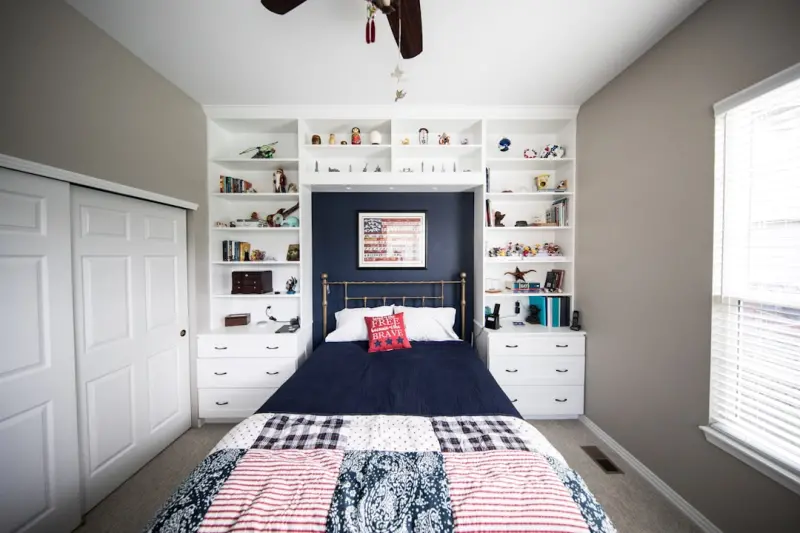
Hidden Storage Hacks for Every Room
Unlock the secret to a clutter‑free home with hidden storage solutions that turn unused nooks into... Read More
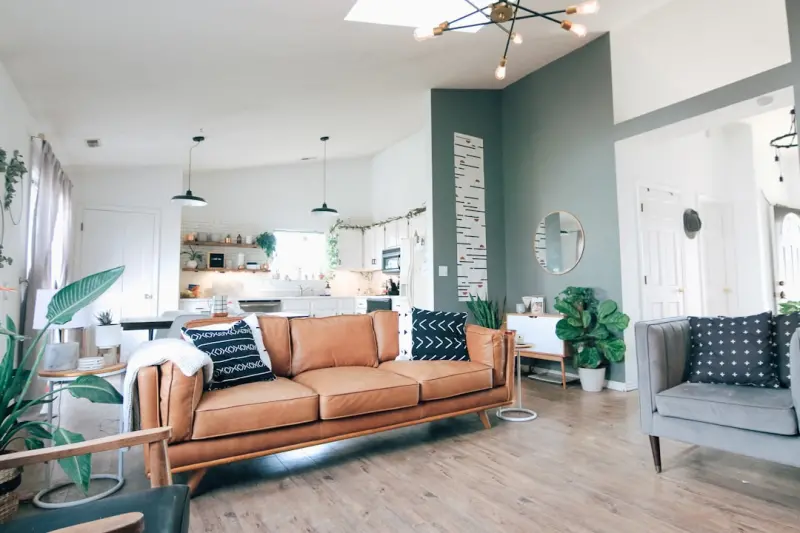
Transform Your Home Into a Productivity Oasis Without Leaving Your Couch
A step‑by‑step guide to turning any living space into a productivity sanctuary, covering zoning,... Read More
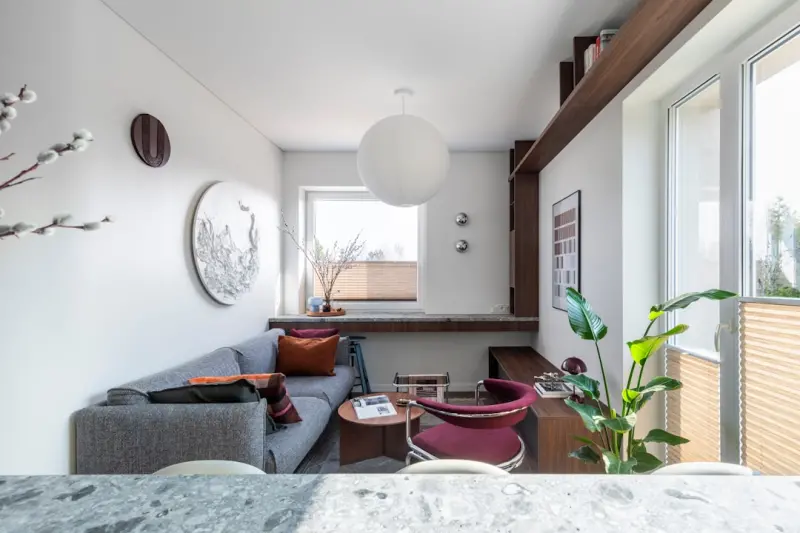
Transform Your Living Space with Low‑Tech, High‑Impact Hacks
Explore a series of budget‑friendly, low‑tech strategies—ranging from natural lighting tricks ... Read More
Top Posts

Synthetic Personas: AI’s Secret Weapon for Smarter Product Roadmaps
AI‑generated synthetic personas offer a dynamic, data‑driven way to understand users, guide feature decisions, and stay ahead of market shifts, turning insi...Read More

Turning Business Trips into Innovation Labs: A Practical Playbook
Learn how to treat business travel as a portable innovation lab, using intentional goals, micro‑field studies, and a post‑trip sprint to turn everyday obser...Read More

Micro‑Wellness at Work: Tiny Rituals for Massive Health Gains
A deep dive into micro‑wellness, exploring how tiny, intentional practices—like brief stretches, nature‑focused pauses, and AI‑guided health nudges—ca...Read More

Seasonal Scenting: Transform Your Home Into a Sensory Sanctuary
Discover the art of seasonal scenting with natural, DIY-friendly recipes that enhance mood, improve focus, and turn every room into a calming, inviting sanctuar...Read More
0 Comments
Post Comment
You will need to Login or Register to comment on this post!