
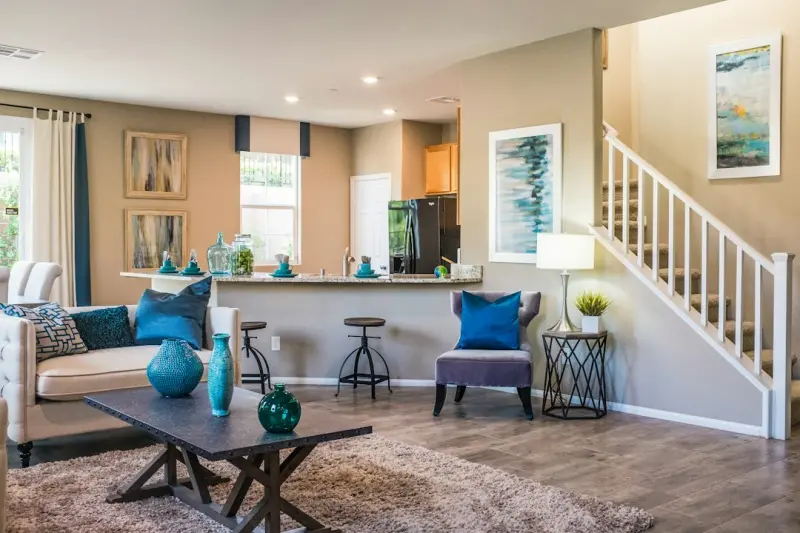
When you walk into a room drenched in natural light, your mood lifts, your eyes relax, and the space feels instantly larger. Yet many homeowners underestimate the power of daylight, often leaving windows covered or neglecting simple tweaks that could transform an entire house. In this guide, I’ll walk you through twelve practical, budget‑friendly strategies to amplify natural light in every corner of your home, boost well‑being, and even trim your energy bills.
Why Natural Light Deserves a Front‑Row Seat in Home Design
Science backs the benefits. Studies show that exposure to natural light regulates circadian rhythms, improves sleep quality, and can enhance productivity by up to 15%. It also reduces reliance on artificial lighting, which translates into tangible savings on your electricity bill.
Beyond health, daylight adds an aesthetic dimension. Sun‑lit rooms appear more spacious, colors look truer, and the ever‑changing patterns of light create a dynamic backdrop that static décor simply can’t match.
1. Clear the View: Declutter Windows
The first step is often the simplest: remove obstacles that block light. Heavy drapes, stacked furniture, and indoor plants placed directly in front of windows can cast unwanted shadows. Opt for light‑filtered curtains or sheer panels that let sunlight filter through while preserving privacy. If you love the look of curtains, choose ones with a high thread‑count and light color palette.
2. Embrace Mirror Magic
Mirrors are the unsung heroes of light amplification. Placing a large mirror opposite a window reflects incoming sunlight deeper into the room, effectively doubling the light without any extra energy. For best results, choose a mirror with a thin frame to keep the reflection clean and unobstructed.
Pro tip: a floor‑to‑ceiling mirror in a narrow hallway can turn a dim corridor into a luminous passage, making the whole home feel brighter.
3. Light‑Colored Walls and Ceilings
Light hues bounce light around the room. While bold accent walls have their place, consider painting the bulk of your walls in soft whites, creams, or pale pastels. Even a light gray can work wonders without feeling sterile.
If you’re hesitant about a full repaint, try a chalkboard paint in a muted tone on one wall; it adds texture while still reflecting light.
4. Strategic Furniture Placement
Furniture can either block or channel light. Arrange sofas, shelves, and desks so they don’t sit directly in the path of incoming sunshine. Low‑backed chairs and open‑back shelving allow light to permeate, maintaining an airy feel.
Consider using floating furniture—pieces that sit on legs rather than solid bases—to keep the floor space visually open, allowing light to travel further.
5. Install Reflective Surfaces
Glossy finishes on cabinets, countertops, or decorative objects can act like miniature mirrors. A high‑gloss white kitchen backsplash, for instance, reflects light onto adjacent walls, brightening the entire cooking area.
Even metal picture frames or chrome light fixtures contribute to the reflective ecosystem, scattering sunlight throughout the room.
6. Upgrade Window Treatments
If you need privacy but still crave daylight, opt for top‑down, bottom‑up shades. These allow you to lower the bottom portion for privacy while keeping the upper part clear for light. Cellular shades in light fabrics also provide insulation without sacrificing brightness.
For a stylish twist, replace heavy wooden blinds with bamboo or woven shades. They filter light gently, adding texture while preserving a sun‑lit ambiance.
7. Add Skylights or Solar Tubes
When wall windows are limited, look upward. Skylights introduce direct overhead light, ideal for kitchens, bathrooms, and hallways. If a full skylight feels too invasive, home efficiency hacks such as solar tubes can channel daylight through reflective tubes into darker spaces without compromising roof integrity.
Choose low‑emissivity (low‑E) glass to minimize heat gain in summer and heat loss in winter, ensuring comfort alongside illumination.
8. Use Light‑Diffusing Accessories
Strategically placed translucent accessories—think glass vases, acrylic décor, or frosted glass shelves—soften harsh sunlight while still allowing it to pass through. This creates a balanced glow, especially in rooms with large, sun‑flooded windows.
9. Keep Windows Clean
It sounds obvious, but dirty windows dramatically reduce the amount of light that penetrates your home. A quick weekly wipe with a vinegar‑water solution removes grime, dust, and mineral buildup, ensuring maximum brightness year‑round.
10. Harness the Power of Light‑Reflecting Flooring
Light‑colored flooring, such as pale hardwood, bamboo, or large‑format tiles, reflects light upward. Even a light‑gray carpet can brighten a room if the pile is low and the texture isn’t too thick. If you prefer darker floors, consider adding a light‑colored area rug in high‑traffic zones to bounce light back into the space.
11. Leverage Outdoor Landscaping
Exterior elements influence interior lighting. Trim overgrown trees and shrubs that cast shadows on windows. Plant tall, thin species—like columnar evergreens—on the sun‑facing side of your house to act as natural light filters, reducing glare while still allowing plenty of daylight.
For a touch of greenery without blocking light, choose climbing vines that grow up trellises, framing windows without obstructing the view.
12. Adopt micro‑zones to Capture Light
Even the smallest nooks can become bright focal points. Create a “reading corner” by placing a slim bookshelf near a window, adding a comfortable chair, and topping it with a floor lamp that can be turned off during the day. This encourages you to make use of natural light rather than relying on artificial fixtures.
Micro‑zones also let you experiment with light‑catching décor—think a small glass tabletop or a mirrored tray—that adds sparkle without overwhelming the room.
Putting It All Together: A Room‑by‑Room Checklist
To make implementation easier, here’s a quick checklist you can print and hang on your fridge:
- Living Room: Place a large mirror opposite the main window, use sheer curtains, and keep furniture low.
- Kitchen: Install glossy backsplash, add a skylight or solar tube, and choose light‑colored cabinets.
- Bedroom: Opt for top‑down shades, keep walls pastel, and position nightstands away from direct sunlight.
- Bathroom: Use frosted glass for privacy while letting light in, add reflective tile, and keep windows spotless.
- Home Office: Position desk perpendicular to windows, use a desktop mirror, and incorporate a small plant to diffuse harsh glare.
Bonus: Light‑Saving Habits That Pair Well with Brightening Your Home
While you’re enhancing daylight, consider integrating smart water savings habits to round out a sustainability push. Simple actions—like fixing leaky faucets and installing low‑flow fixtures—reduce your overall utility load, allowing you to allocate savings toward daylight‑focused upgrades.
Remember, the goal isn’t to flood every room with blinding sun but to create a balanced, inviting atmosphere that supports health, productivity, and energy efficiency.
Conclusion: Let the Sun Work for You
Natural light is a free, renewable resource that, when harnessed thoughtfully, can transform the look, feel, and performance of your home. By following these twelve hacks—clearing windows, using mirrors, choosing light‑reflective finishes, and more—you’ll create spaces that feel larger, more vibrant, and healthier.
Start with one or two changes, observe the difference, and keep building. Before long, you’ll wonder how you ever lived without a sun‑lit sanctuary in every room.

David Moore is a freelance writer specializing in two dynamic and ever-evolving fields: gambling and the tech industry. With a keen eye for detail and a knack for unraveling complex topics, David delivers insightful and engaging content that keeps readers informed and entertained.
Related Posts

Sensory Home Tweaks: Simple Tricks to Boost Comfort and Mood
I share my favorite low‑budget sensory tricks—like scent layering, soft lighting, and tactile te... Read More
Unlocking Hidden Comfort: Unexpected Home Hacks for Modern Living
Explore innovative home tips that blend functionality with style, from layered lighting and eco‑fr... Read More
The Secret Benefits of Tiny Home Rituals
Learn practical, low‑effort habits that turn everyday rooms into calming sanctuaries, improve slee... Read More
Top Posts

Privacy‑First Personalization: Winning Trust in B2B Digital Marketing
Privacy‑first personalization blends first‑party data, consent‑driven segmentation, and AI to deliver hyper‑relevant experiences while respecting user p...Read More

Micro‑Adventure City Escapes: How to Turn a Day Off into a Travel Story
Discover the art of micro‑adventure city escapes—strategic, one‑day getaways that turn a free afternoon into a memorable travel story, boosting creativity...Read More

Gamified Onboarding: Turning First‑Time Users into Loyal Advocates
A deep dive into why gamified onboarding is the missing piece in B2B SaaS marketing, with actionable steps, KPI guidance, and links to predictive intent scoring...Read More

First‑Party Data Strategies for a Cookieless Future
Discover practical steps to collect, activate, and measure first‑party data, turning privacy compliance into a competitive advantage....Read More
0 Comments
Post Comment
You will need to Login or Register to comment on this post!