

When I first moved into my tiny second‑floor walk‑up, the only thing louder than the city’s sirens was the constant clatter of everyday objects fighting for space. I learned fast that a home isn’t just a collection of rooms; it’s a choreography of things, habits, and moments. Over the years I’ve turned that chaotic dance into a series of quiet, almost invisible solutions that let my home breathe without sacrificing style or function. Below is my playbook for creating “invisible” storage—those clever, low‑profile tricks that keep clutter out of sight while keeping the things you love within easy reach.
1. Think Vertically Before You Go Horizontal
The first rule of invisible storage is to reclaim the space that most people overlook: the walls. Instead of piling books on a floor‑standing shelf, install slim, floor‑to‑ceiling rails that can hold lightweight baskets, hanging plants, or even a row of sleek metal hooks. Because the rails run the full height of the room, you can store seasonal items high up and daily essentials at eye level, keeping the floor clear for movement.
When choosing a rail system, look for modular pieces that snap together. This way you can adjust the configuration as your needs evolve—adding a new basket for spring cleaning supplies or swapping a plant for a stack of mail‑order catalogs without a drill or a professional.
2. The Magic of Under‑Stair Niches
Most homes have that awkward space under the stairs that ends up as a dusty crawl‑space. Turn it into a secret alcove with built-in pull‑out drawers, a small wine rack, or a mini‑library. The key is to keep the front panel flush with the surrounding wall, so the storage feels like a natural extension of the architecture rather than an add‑on.
Because the niche is hidden from plain sight, you can afford to use more decorative containers—think ceramic jars for spices, patterned fabric boxes for children’s toys, or a sleek metal case for your tech gadgets. The result is a tidy, purposeful area that adds character without shouting for attention.
3. Furniture That Doubles As Storage
One of my favorite investments is a bench with a lift‑top. It works as a seating area at the entryway, a spot to drop your shoes, and—when you flip the cushion—reveals a shallow compartment perfect for scarves, umbrellas, or a stash of board games.
If you need a coffee table that does more, opt for a design with hidden drawers or a removable tray. You can stash remote controls, coasters, or even a small stack of magazines, keeping the tabletop pristine for guests.
For those who love a clean aesthetic, consider a wall‑mounted folding desk. When not in use, it folds flat against the wall, revealing a hidden compartment behind the panel. This is a game‑changer for small apartments where a traditional desk would dominate the floor.
4. Make Use of “Dead” Space Behind Doors
Behind any door lies a narrow, often ignored strip of wall. Install a slim, adhesive rack that can hold mail, keys, or a small basket for daily essentials. Because it sits behind the door, it stays out of the way of foot traffic yet remains perfectly accessible.
For closets, a simple tension rod can turn that hidden strip into a mini‑closet for scarves, belts, or even a row of hanging shoes. The best part? No screws, no permanent fixtures—perfect for renters who need flexibility.
5. Turn the Ceiling Into Storage Real Estate
It may sound daring, but a sturdy ceiling‑mounted pulley system can be a lifesaver for heavy but infrequently used items—like holiday décor, luggage, or a spare set of linens. Choose a system with a smooth glide and a secure latch to ensure safety.
When not in use, the pulley can be tucked away with a decorative cover, blending seamlessly with the ceiling’s paint or texture. This method frees up closet space while keeping your treasured items protected from dust.
6. The Power of “Float” Shelves
Floating shelves give the illusion of more floor space because they appear to hover without visible support. Use them strategically in kitchens for a curated display of mugs, in bathrooms for rolled towels, or in living rooms for a rotating art gallery.
Because they’re lightweight, you can swap them from room to room as seasons change. Pair a floating shelf with a set of matching baskets to hide less attractive items, keeping the visual line clean and intentional.
7. Closet Organizers That Work Behind the Scenes
Standard closet rods and shelves are great, but they rarely address the chaos of accessories. Add a series of slim, clear acrylic bins that slide onto a rod—perfect for watches, belts, or even small tech accessories. The clear material lets you see the contents at a glance without pulling everything out.
Consider a hanging shoe organizer with zippered pockets for socks, gloves, and other small items. By using the back of the closet door, you gain extra storage without sacrificing closet floor space.
8. Repurpose Everyday Objects as Storage Solutions
Before you rush to buy a new storage unit, scan your home for items that can be repurposed. An old wooden crate can become a rustic side table with hidden drawers. Vintage suitcases make charming under‑bed storage for linens or seasonal clothing.
Even a set of mason jars can be mounted on a wall using a simple bracket system, turning them into a sleek bathroom storage solution for cotton swabs, Q‑tips, or bath salts. The key is to keep the aesthetic cohesive, so the repurposed items feel like a natural extension of your décor.
9. Create “Invisible” Zones in Shared Spaces
In homes with multiple occupants, designate a neutral “invisible” zone—like a low, built‑in bench that doubles as a storage chest—where everyone can drop their belongings without creating clutter. By keeping the bench low to the floor and using a simple, clean design, it becomes a subtle backdrop rather than a focal point.
Encourage family members to use labeled fabric bins that slide into the bench’s interior. This not only streamlines tidying up but also teaches kids the habit of returning items to a designated spot.
10. Keep It Fresh with Seasonal Rotation
The best invisible storage system is one that evolves with the seasons. Allocate a small, hidden closet or a dedicated under‑bed drawer for items you only need a few months of the year—like holiday décor, summer beach towels, or winter coats. Rotate them as the weather changes, and the rest of your home stays uncluttered.
To make rotation effortless, label each container with the season and store them in a single, accessible location. When the new season arrives, you simply swap the containers, keeping the transition smooth and stress‑free.
11. Integrate Technology Thoughtfully
While my focus is on low‑tech, invisible storage, a subtle infusion of smart home devices can enhance organization. For instance, a smart sensor that alerts you when the trash bin is full or a Bluetooth‑enabled pantry scale that tracks ingredient usage can reduce the mental load of remembering to restock.
These devices stay tucked away, blending into your existing storage solutions without adding visual clutter. The goal is to let technology serve the storage system, not dominate it.
12. A Quick Recap: The Invisible Storage Checklist
- Vertical rails for height‑wise storage.
- Under‑stair niches with pull‑out drawers.
- Multi‑functional furniture like lift‑top benches.
- Dead‑space behind doors for slim racks.
- Ceiling‑mounted pulleys for heavy seasonal items.
- Floating shelves for a light aesthetic.
- Clear acrylic bins in closets.
- Repurposed crates and suitcases for hidden storage.
- Neutral zones for shared items.
- Seasonal rotation to keep clutter at bay.
- Subtle tech integration for smarter organization.
By combining these strategies, you’ll create a home that feels spacious, organized, and effortlessly stylish—without sacrificing any of the things that make it uniquely yours.
For those looking to dive deeper into the philosophy of a calm, well‑organized home, check out the sensory strategies guide that explores how environment influences wellbeing. And if you’re curious about how hidden levers can boost your personal productivity, the hidden levers article offers a surprising parallel between digital efficiency and physical organization.

Karen Edwards is a seasoned freelance writer with a passion for all things furry, feathered, and scaled. With a dedicated focus on pets, she brings a wealth of knowledge and a keen eye for detail to her writing.
Related Posts

Invisible Energy Savings: Simple Behavioral Tweaks for a Greener Home
Learn practical, everyday tricks to reduce phantom power, optimize temperature, and seal drafts—si... Read More
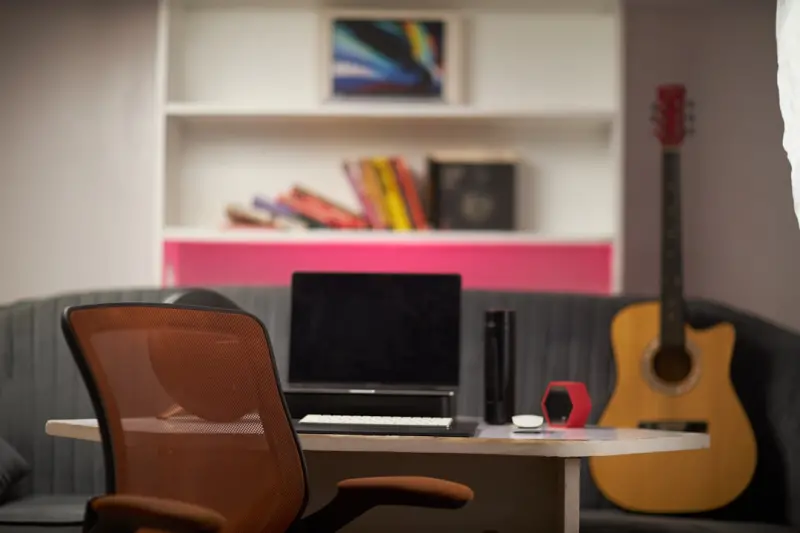
Acoustic Upgrades for a Home Office That Actually Works
Learn how to turn any room into a quiet‑friendly home office using rugs, DIY acoustic panels, smar... Read More

Sunlit Spaces: Harnessing Natural Light to Energize Your Home
Learn how to turn daylight into a functional home super‑power with window treatments, mirrors, sma... Read More
Top Posts

Beyond Funnels: Building a Relationship Loop for Sustainable SaaS Growth
Learn how to replace traditional funnels with a relationship loop that uses zero‑party data, experiential onboarding, co‑creation, and advocacy to drive las...Read More

Google’s Multimodal Search: A New Era of Visual, Audio, and Text Discovery
Discover why Google’s shift to multimodal search matters for creators, marketers, and brands, and learn practical strategies to thrive in this visual‑audioâ...Read More

Riding Google’s 2026 AI Wave: My Insider Playbook for Marketers
Explore Rose DesRochers’ insider strategies for thriving in Google’s 2026 AI‑first SERP landscape, blending Gemini tools with human storytelling for real ...Read More

AI‑Powered Personal Knowledge Graphs: Turning Data Chaos Into Insight
Learn how to build an AI‑driven personal knowledge graph that transforms cluttered notes into a living network of insights, enhancing productivity and strateg...Read More
0 Comments
Post Comment
You will need to Login or Register to comment on this post!