

Morning Light and Mood
When the first rays of sunrise filter through a thoughtfully arranged window, the entire house seems to inhale optimism; I’ve learned to harness that daily burst of natural light by positioning my favorite reading nook opposite a south‑facing pane, allowing the sun to paint warm amber tones across my pages. Strategic furniture placement not only maximizes illumination but also creates a subtle cue for my body to recognize daytime, which gently nudges my circadian rhythm toward a more energized state. I pair this bright corner with a lightweight, sheer curtain that diffuses glare without muffling the glow, turning a simple window into a mood‑enhancing feature that invites me to linger over a cup of tea while the world awakens.
Beyond the visual uplift, I integrate a soft palette of pastel accents that echo the sky’s early hues—think blush pink throw pillows, mint‑green vases, and a muted lavender rug—to reinforce the calming effect of the morning light. The colors act as a visual echo, reinforcing serenity while still feeling lively enough to motivate morning chores, and I often rotate these accessories seasonally to keep the space feeling fresh without a major overhaul. By treating color as a fluid layer rather than a permanent fixture, I maintain a sense of novelty that encourages me to start each day with curiosity rather than routine.
To deepen the impact, I install a discreet dimmable LED strip along the top of the wall behind the window; during overcast days, a gentle boost of warm light mimics sunshine, while at dusk the same strip can transition to a softer amber, signaling the body that it’s time to wind down. This simple tech addition blends seamlessly with the aesthetic, proving that a touch of modern convenience can coexist with a handcrafted feel, and it’s a reminder that even the smallest adjustments can cascade into a day‑long sense of well‑being.
Scented Spaces without Chemicals
Instead of reaching for synthetic air fresheners, I’ve turned my kitchen and living areas into fragrant sanctuaries using only natural ingredients that double as décor, such as simmering pots of citrus peels, cinnamon sticks, and fresh rosemary on the stove; the gentle aroma drifts through the home, creating an inviting atmosphere while also delivering subtle antimicrobial benefits. This method is both cost‑effective and adaptable—swap out the herbs for vanilla beans or dried lavender depending on the season, and the scent profile evolves with the calendar, keeping the environment feeling dynamic yet comforting.
Complementing these simmer pots, I place small, reusable sachets filled with dried lavender, eucalyptus, or cedar shavings in drawers, closets, and under pillows; the slow release of essential oils not only keeps fabrics smelling fresh but also promotes relaxation when I slip into bed. For those who love a visual touch, I craft decorative glass jars with layered herbs and a few drops of citrus essential oil, turning each jar into a mini‑terrarium that doubles as a scent source and a conversation starter. By embracing these low‑maintenance, chemical‑free solutions, the home feels healthier, and the effort required is minimal—just a quick refill here and there.
Living Walls for Small Apartments
One of the most rewarding projects I’ve tackled in a modest studio is a vertical garden that climbs the back wall of my kitchen, providing fresh herbs and a splash of greenery without sacrificing floor space; I start with a sturdy wooden pallet, line it with landscape fabric, and attach modular planting pockets that can be rearranged as my culinary needs shift. The result is a living tapestry that not only supplies basil, thyme, and mint for everyday cooking but also improves indoor air quality, creating a subtle, continuous exchange of oxygen that feels especially refreshing in compact living quarters.
To keep the wall thriving, I set up a simple drip irrigation system using a recycled water bottle fitted with a small tubing network, allowing gravity to deliver a steady mist of water directly to each pocket; this low‑tech approach eliminates the need for bulky hoses or electric pumps, and the gentle watering schedule encourages deeper root growth, reducing the frequency of maintenance. I also incorporate decorative elements—like small copper pots and reclaimed glass bottles—to break up the green expanse, adding visual interest that makes the wall a focal point rather than just a functional herb rack.
For those hesitant about a full‑scale installation, I suggest starting with a single pocket garden on a narrow hallway wall; even a modest row of trailing pothos or a string of air‑purifying spider plants can transform a drab corridor into an inviting passage. As confidence builds, you can expand the design, integrating LED grow lights that mimic natural sunlight and ensure year‑round vigor, turning a simple decorative idea into a resilient, living piece of home art.
Quiet Corners for Unplugged Time
In an age where screens dominate every room, I carved out a deliberately low‑tech nook in the corner of my living room—a plush, oversized floor cushion, a soft throw, and a small bookshelf stacked with my favorite paperbacks, all bathed in the glow of a single, warm‑toned lamp that I only switch on after sunset; this sanctuary invites me to unwind without the lure of notifications, fostering moments of reflective reading or quiet meditation. By keeping the space free of electronic devices, the brain can slip into a restorative mode, which research shows improves focus and reduces stress over the long term.
To enhance the ambiance, I drape a lightweight, textured wall hanging that absorbs sound, creating a gentle acoustic buffer that muffles the clatter of the rest of the house; combined with a small indoor fountain that produces a soothing, rhythmic trickle, the corner becomes a mini‑retreat that feels separate from the bustle of daily life. I also keep a small journal and a set of colored pens nearby, encouraging spontaneous sketching or gratitude writing—a habit that deepens the sense of presence and anchors the mind in the moment.
For those looking to replicate this calm oasis, start by selecting a corner that receives natural light during the day and can be dimmed in the evening; add a comfortable seat, a soft rug, and a single source of ambient light, then gradually introduce sensory elements like a scented candle, a small plant, or a tactile throw. Over time, this space evolves into a personal sanctuary that you’ll look forward to visiting, reinforcing a healthy balance between connectivity and disconnection.
Effortless Floor Care with Natural Fibers
Choosing the right floor covering can dramatically reduce the time you spend cleaning while also enhancing the tactile experience of moving through your home; I recently swapped my high‑traffic hallway carpet for a tightly woven jute runner, which feels sturdy underfoot yet is surprisingly easy to sweep or vacuum, and its natural texture hides dust better than synthetic alternatives. Jute’s durability means it withstands the daily foot traffic of a bustling household, and because it’s a renewable material, it aligns with a more sustainable lifestyle without compromising on style.
In rooms where a softer feel is desired, I layer a low‑pile wool rug over reclaimed hardwood; the wool naturally resists stains and repels spills, and it can be spot‑cleaned with a mild soap solution, meaning I rarely need to haul the rug to a professional cleaner. The combination of hard and soft surfaces also creates a subtle visual contrast that delineates spaces—like a cozy reading area versus a functional kitchen zone—without the need for additional furniture or dividers.
To keep these natural fibers looking fresh, I adopt a simple routine: a quick sweep with a microfiber mop each evening, followed by a deeper vacuuming once a week using a brushless head that protects the weave. I also rotate the rugs seasonally, allowing each to rest and breathe, which extends their lifespan and keeps the aesthetic of my home feeling dynamic and renewed.
DIY Acoustic Panels that Double as Art
Living in an open‑plan space often means grappling with echoes that turn casual conversation into a noisy affair, so I set out to create acoustic panels that not only tame sound but also serve as striking wall art; I begin with a wooden frame, stretch a layer of dense acoustic foam, and then cover it with a fabric that matches my décor, turning a functional sound absorber into a custom‑sized canvas that can display bold colors or subtle patterns. This approach eliminates the need for bulky, industrial‑looking sound panels and adds a personal touch that reflects my taste.
The key to effectiveness is choosing a fabric that is both breathable and dense enough to allow the foam to do its job; I favor linen blends in muted earth tones because they blend seamlessly with my existing color scheme while offering enough texture to keep the panels from looking flat. Once mounted, the panels significantly reduce reverberation, making music listening and movie nights more immersive without the harshness of echo.
For a cost‑effective variation, I repurpose old canvas tote bags, lining them with acoustic material and hanging them in a grid; this not only recycles materials but also creates a playful, eclectic gallery that can be updated whenever the mood strikes, ensuring the acoustic solution remains adaptable and visually appealing.
Smart Thermostat Strategies for Comfort and Savings
Investing in a programmable thermostat has been one of the most impactful decisions I’ve made for home comfort, but the real magic lies in customizing the schedule to match my family’s rhythm rather than relying on default settings; I program a gradual temperature increase in the morning, ensuring the house is cozy by the time we rise, and a subtle drop in the evening that encourages a comfortable sleep environment without a sudden chill. By aligning heating and cooling cycles with actual occupancy patterns, I avoid wasteful energy spikes that typically occur when the system runs continuously.
Beyond basic scheduling, I take advantage of the thermostat’s geofencing feature, which uses my phone’s location to automatically adjust the climate when we leave or return home; this means the system never runs needlessly while the house is empty, cutting down on utility bills and reducing our carbon footprint. I also integrate the thermostat with a simple, voice‑activated assistant for quick, on‑the‑fly adjustments, ensuring that a sudden change in plans—like an unexpected guest—can be accommodated with minimal effort.
To maximize savings, I pair the thermostat with regular maintenance of HVAC filters, changing them every three months to ensure optimal airflow and efficiency. This combination of smart scheduling, location awareness, and routine upkeep creates a seamless climate control experience that feels both luxurious and responsible, proving that technology can enhance comfort without compromising sustainability.
Multi‑Purpose Furniture for Small Living
When space is at a premium, each piece of furniture must earn its keep, so I gravitate toward designs that serve dual or even triple functions; a sleek ottoman with hidden storage, for example, offers a place to rest tired feet while also providing a discreet spot for blankets, magazines, or seasonal décor, keeping the living area clutter‑free without sacrificing style. I choose neutral fabrics that can blend with any color scheme, ensuring the piece remains timeless and adaptable as I refresh other elements of the room.
Another staple in my home is a wall‑mounted drop‑leaf table that doubles as a desk during the day and a dining surface at night; when not in use, the table folds flat against the wall, revealing a decorative gallery of framed art that adds personality without encroaching on floor space. This flexibility allows me to host intimate meals or work from home without the need for a separate, permanent workspace, which is especially valuable in apartments where each square foot is precious.
To further extend functionality, I incorporate modular shelving units that can be reconfigured into a room divider, a bookshelf, or a media console depending on the season’s needs; the ability to rearrange these components means the furniture evolves with my lifestyle, supporting everything from a home gym setup to a craft corner without requiring additional purchases. By embracing multi‑purpose pieces, I create a home that feels spacious, organized, and ready for any activity that life throws my way.

In the world of freelance writing, where creativity and adaptability are paramount, Michelle Fisher stands out as a dedicated and versatile professional. With a passion for crafting compelling narratives and a keen eye for detail, Michelle has established herself as a trusted voice.
Related Posts

Tiny Home Tweaks That Deliver Big Comfort
Explore a series of small, actionable home improvements—from lighting tricks and acoustic fixes to... Read More
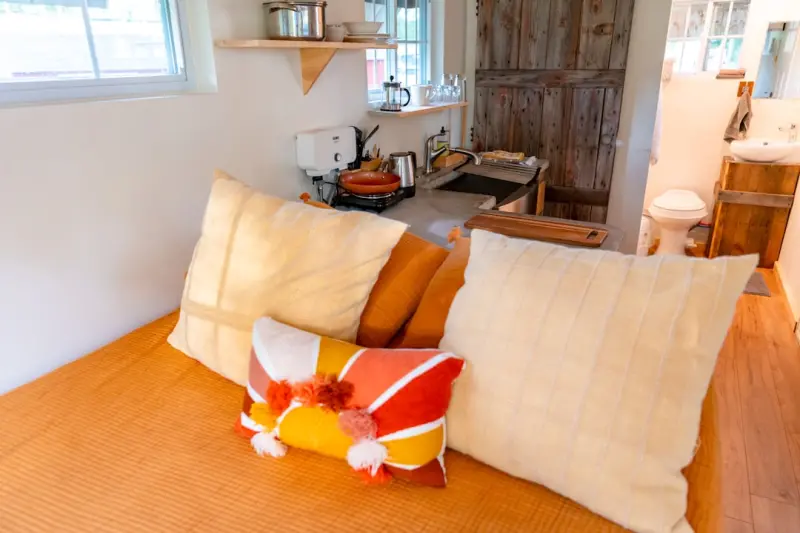
Crafting a Sensory Sanctuary: Tiny Home Tweaks for Big Calm
Learn how to transform your home into a sensory sanctuary with practical light, sound, texture, and ... Read More
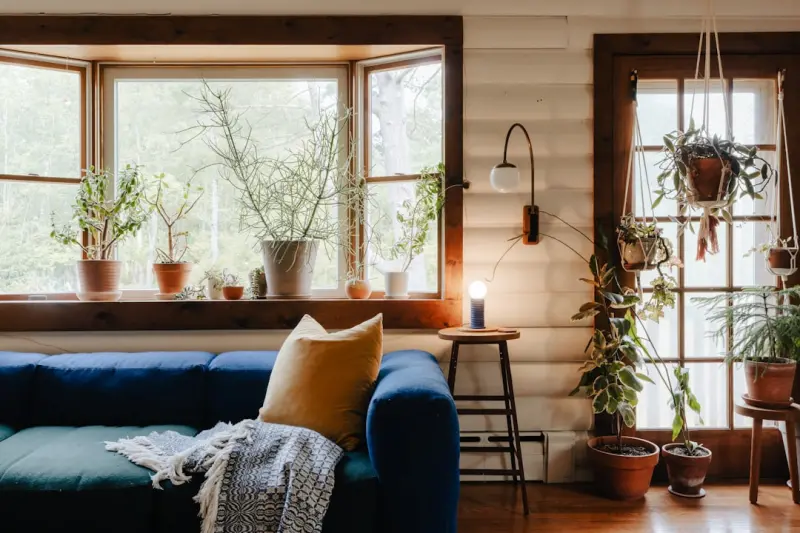
Transform Your Home Into a Calm, Functional Sanctuary
Learn how simple tweaks—smart lighting, hidden storage, low‑maintenance plants, and sleep‑frie... Read More
Top Posts

Community‑First Marketing: Turning Niche Tribes into Growth Engines
Explore a fresh digital marketing angle that puts niche online tribes at the center, driving authentic engagement, measurable impact, and sustainable brand grow...Read More

AI‑Powered Knowledge Hubs: Turning Data Chaos into Collaborative Intelligence
Explore how AI-driven knowledge hubs turn fragmented information into living resources, enabling faster decisions, reduced search fatigue, and a culture of prom...Read More

AI as Your Quiet Co‑Pilot: Turning Data Noise into Product Insight
Learn how to integrate lightweight AI tools into everyday product workflows, turning raw data into clear, timely insights that help teams decide faster and stay...Read More

How AR Filters Are Redefining Brand Engagement
Augmented reality filters are transforming how brands connect with audiences, turning casual scrolls into immersive experiences that boost loyalty and sales. Le...Read More
0 Comments
Post Comment
You will need to Login or Register to comment on this post!