

Micro‑Zones: Tiny Purpose‑Built Corners That Elevate Everyday Living
When I first moved into my modest two‑bedroom apartment, I thought I’d need a massive overhaul to make the space feel truly mine. Little did I know that the secret wasn’t in square footage, but in the power of micro‑zones—small, intentional pockets that serve a single purpose yet ripple benefits throughout the entire home. In this post, I’ll walk you through the why, the how, and the “aha!” moments that come when you start treating corners, nooks, and even the backs of doors as opportunities rather than afterthoughts.
Why Micro‑Zones Matter More Than You Think
We live in an age where multitasking is glorified and attention spans are stretched thin. A cluttered environment compounds the chaos, making it harder to focus, relax, or even enjoy a cup of tea. By carving out micro‑zones—think a five‑minute meditation corner or a dedicated charging hub—you give your brain a visual cue that it’s time to shift gears. This subtle cue can improve productivity by up to 15% according to recent cognitive studies, and it also reduces the mental load of decision‑making. In other words, you’re building habit‑friendly architecture without moving a single wall.
Mapping Your Home: Spotting the Untapped Real Estate
The first step is a quick audit of your current layout. Grab a notebook (or your favorite note‑taking app) and walk through each room, asking yourself a simple question: “What’s the one thing I keep reaching for, but never have a designated spot for?” Common culprits include:
- Headphones and chargers
- Reading glasses or a favorite book
- A small plant that could use a splash of sunlight
- Sticky notes that never find a home
Mark these spots on your floor plan. You’ll be surprised how many vertical surfaces—door frames, the back of a pantry door, even the underside of a kitchen cabinet—can host a micro‑zone.
Design Principles for Effective Micro‑Zones
Once you’ve identified potential niches, follow these three design pillars:
- Purpose First: Define the zone’s function in a single sentence. “A quick‑scan workspace for emails” beats “a place for random stuff.”
- Visibility: Keep the zone in plain sight. A hidden stash defeats the purpose because you’ll waste time hunting for it.
- Simplicity: Limit the items to the essential. Think of it as a curated gallery rather than a storage closet.
When you align design with purpose, the zone becomes a habit trigger, not a decorative afterthought.
Micro‑Zone Ideas for Every Room
Below is a curated list of micro‑zones you can implement today, complete with budget‑friendly tips:
Living Room: The “Sip & Scan” Station
Install a small floating shelf near your favorite armchair. Add a wireless charger, a sleek tray for a tablet, and a single‑serve coffee pod holder. Now, you can enjoy a brew while scrolling news without the clutter of cables.
Kitchen: Herb‑Garden Window Box
Utilize the windowsill that usually gathers crumbs. Place a shallow, self‑watering box and fill it with basil, mint, and thyme. Not only does this add fresh flavor at arm’s reach, but the scent also boosts mood and appetite.
Home Office: Focus Capsule
Set up a AI as a strategic partner powered desk lamp that mimics natural daylight. Pair it with a small whiteboard for “daily three‑task” reminders. Keep the capsule free of everything else—no phones, no snack wrappers.
Bedroom: Night‑Time Unplug Zone
Mount a minimalist charging dock on the nightstand that holds only your phone and a small Bluetooth speaker. The limited space signals the brain: “It’s time to wind down.”
Bathroom: Wellness Corner
Attach a magnetic strip on the mirror to hold a sleek essential‑oil diffuser and a small waterproof notepad for gratitude journaling.
Hallway: Sound‑Smart Gallery
Hang a thin, acoustic art panel that doubles as a sound branding insights zone. Pair it with a tiny Bluetooth speaker playing ambient nature sounds—great for easing the transition from work to home.
Materials & Tools That Won’t Break the Bank
Creating micro‑zones doesn’t require a trip to a high‑end design store. Here’s a list of affordable, reusable items you likely already own or can source for under $20 each:
- Command strips: Perfect for mounting lightweight shelves without drilling.
- Magnetic spice tins: Repurpose them for holding paper clips, USB drives, or tiny tools.
- Silicone cable organizers: Keep cords tidy in any zone.
- Mini LED lights: Battery‑operated options add ambience without wiring.
- Stackable trays: Use them on shelves for layered storage.
Maintaining the Magic: The 5‑Minute Reset
The secret sauce to long‑lasting micro‑zones is a daily reset ritual. Spend just five minutes each evening walking through your home and putting each zone back into its designated order. This habit prevents the zones from becoming catch‑alls and reinforces the mental cue associated with each space.
Case Study: From Chaos to Calm in a 750‑Square‑Foot Apartment
My own apartment used to feel like a maze of unfinished projects and misplaced gadgets. After implementing five micro‑zones—one per room—the difference was palpable. My morning email check, which used to stretch over fifteen minutes of hunting for a charger, now takes three minutes on the dedicated “Focus Capsule.” The kitchen herb box has reduced my grocery trips by an entire week, saving both time and money. Most importantly, I feel a renewed sense of control; the home no longer feels like a series of obstacles but a series of supportive stations.
Scaling Micro‑Zones for Larger Homes
While micro‑zones shine brightest in smaller spaces, larger homes can benefit from a network of them. Think of each floor having its own set of purpose‑built corners—one for kids’ craft time, another for a quick gym stretch, and a third for a family “message board.” The key is consistency: use the same visual language (colors, materials, signage) so every zone feels like part of a cohesive system.
Tech‑Enhanced Micro‑Zones: A Glimpse Into the Future
As smart home devices become more affordable, you can embed subtle technology into micro‑zones without overwhelming the aesthetic. Examples include:
- Bluetooth‑enabled scent diffusers that trigger when you enter the room.
- Motion‑activated LED strips that guide you to your “Sip & Scan” station at night.
- Voice‑controlled timers on your “Focus Capsule” to enforce Pomodoro sessions.
These enhancements keep the zone functional while preserving its minimalist charm.
Wrapping Up: The Ripple Effect of Tiny Intentional Spaces
Micro‑zones are more than just clever storage tricks; they’re a philosophy of intentional living. By dedicating small, purposeful spots throughout your home, you create visual and tactile signals that guide behavior, reduce decision fatigue, and ultimately make everyday life smoother. The best part? You can start today with nothing more than a strip of tape and a clear intention.
So, next time you pass a blank wall or an unused doorframe, ask yourself: “What micro‑zone could live here?” The answer might just be the catalyst that turns your house into a sanctuary of calm, productivity, and joy.

Sanji Patel has dedicated 25 years to the SEO industry. As an expert SEO consultant for news publishers, he emphasizes providing both technical and editorial SEO services to news publishers worldwide. He frequently speaks at conferences and events globally and offers annual guest lectures at local universities.
Related Posts
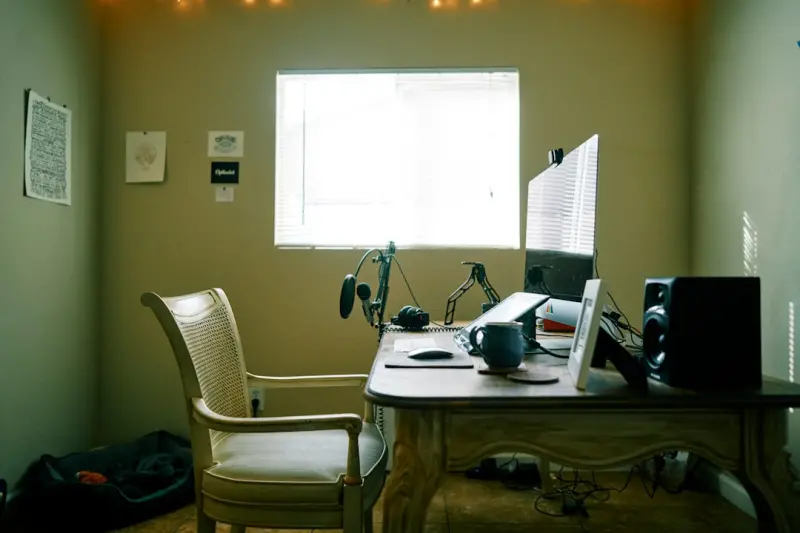
Soundproof Your Home Office Without Breaking the Bank
Discover practical, low‑cost methods to seal gaps, add mass, and absorb sound, turning any noisy c... Read More
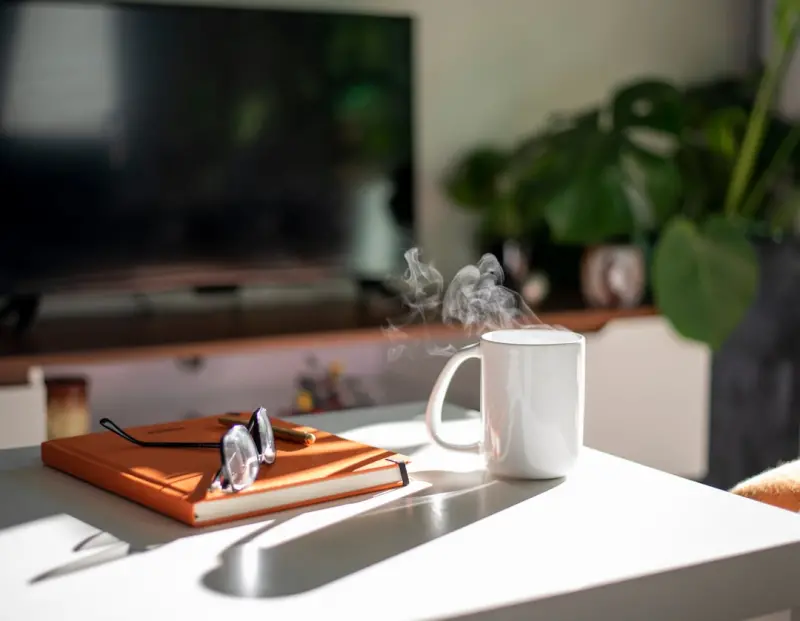
Crafting a Calm, Functional Home Without a Full Renovation
Learn how to map daily flow, improve acoustics, add sustainable storage, streamline kitchens, and us... Read More
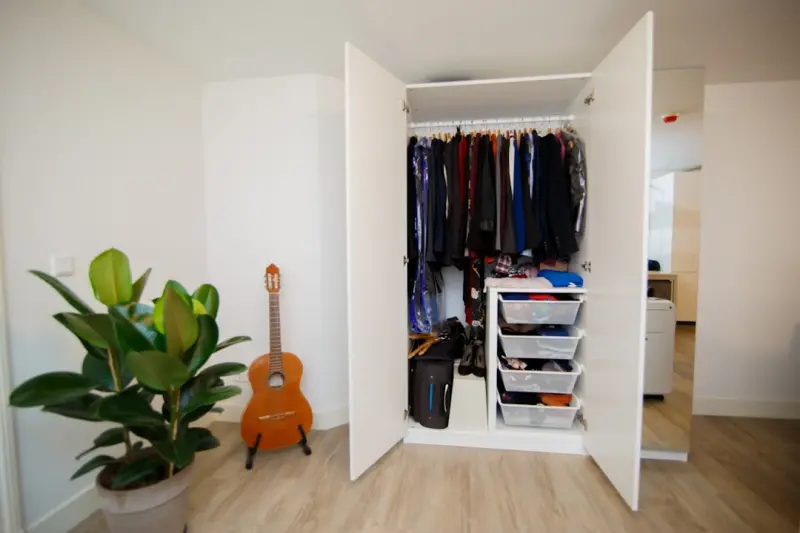
Smart Closet Hacks: Transform Tiny Spaces Into Organized Sanctuaries
Turn a cramped closet into a functional sanctuary with decluttering, vertical storage, uniform acces... Read More
Top Posts

Riding the AI Wave: How Google’s Tools are Redefining Human‑First Marketing
Explore the impact of Google’s AI on modern marketing, from content creation to measurement, and learn human‑first strategies to thrive in the evolving sear...Read More
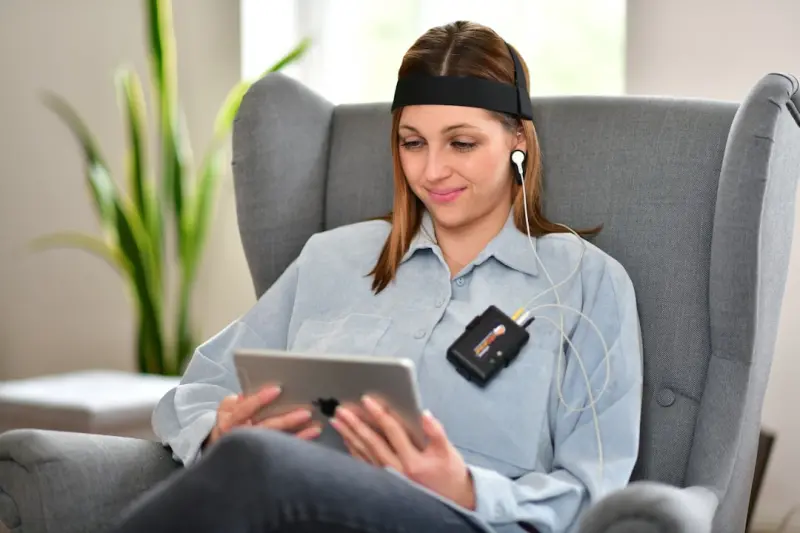
Unlocking Biofeedback: Real-Time Stress Mastery for Knowledge Workers
Biofeedback transforms invisible stress signals into actionable data, letting knowledge workers intervene instantly. Learn how to integrate wearables, foster a ...Read More

Google Workspace AI: The Quiet Engine Powering SaaS Teams
This article explores how SaaS teams can leverage Google Workspace’s AI tools—Smart Compose, Meet summaries, and Looker Studio insights—to save time, acce...Read More

Why Digital Twins Are the Next Frontier for SaaS Product Innovation
Digital twins are emerging as a powerful tool for SaaS companies, enabling real‑time simulation of user behavior, predictive insights, and faster iteration cy...Read More
0 Comments
Post Comment
You will need to Login or Register to comment on this post!