
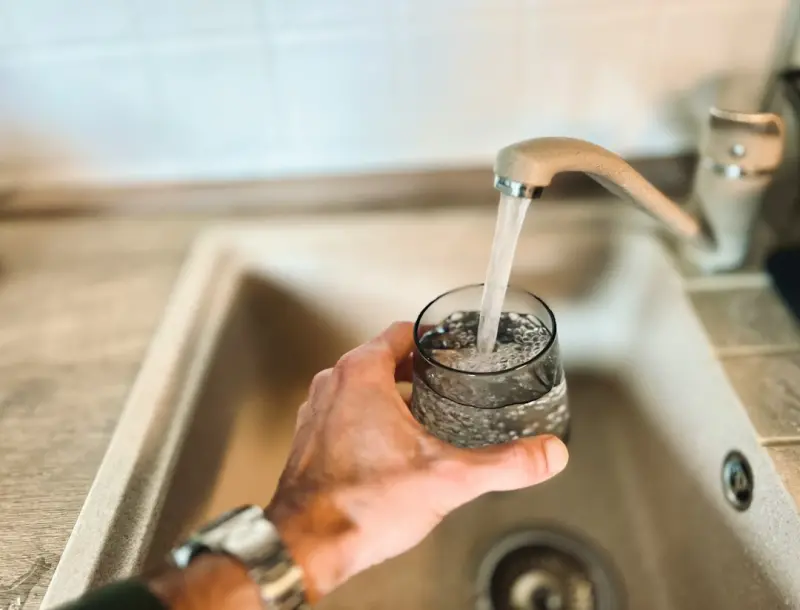
Why Water Conservation Starts with Small Choices
When I first moved into my little bungalow, I imagined the perfect kitchen—shiny countertops, a gleaming faucet, and a pantry stocked with all the gadgets that promised to make life easier. But as the months passed, my water bill crept up like a quiet tide, and I realized that the biggest savings weren’t going to come from a fancy aerator or a pricey smart‑meter. They would come from the habits I was already doing every day.
In this post I’m pulling back the curtain on the low‑tech, high‑impact actions anyone can adopt to keep the taps flowing responsibly. Think of it as a home‑based sustainability bootcamp that doesn’t require a subscription, an app, or a wall of LEDs blinking “smart.” All you need is a bit of curiosity and a willingness to tinker with the routine you already have.
Understanding the Hidden Cost of Every Drop
Water might feel endless when you turn on the shower, but on a global scale it’s a precious resource. Conserving water at home does three things at once:
- Reduces your utility bill. Even a few gallons saved per day can shave tens of dollars off a monthly statement.
- Lessens strain on municipal systems. Lower demand means less energy needed for pumping, treating, and delivering water.
- Protects ecosystems. When we use less, there’s less runoff, less stress on rivers, and a healthier habitat for wildlife.
Most of us think of water conservation as an “outside the home” problem—fixing leaky irrigation, supporting drought‑tolerant landscaping, or buying a rain barrel. While those are fantastic, the inside of the house is where we spend the most time and where the smallest changes multiply.
Habit #1: Turn the Shower Into a Mini‑Workout
Showering accounts for roughly 20% of household water use. You don’t have to become a speed‑shower champion, but you can transform the habit into something a bit more efficient.
- Set a timer. Aim for 5‑minute showers. I keep a sand timer on the shelf—when the last grain falls, I’m out. It feels less like a race and more like a mindful pause.
- Warm up first. Take a quick “sponge‑off” in the bathtub or a bucket with a cup of warm water. The initial rinse uses far less water than a steady stream.
- Low‑flow showerhead. If you can’t avoid a fixture, a simple low‑flow head cuts water use by up to 40% without sacrificing pressure.
Even if you only shave off one minute, you’ll save about 2.5 gallons per shower. Multiply that by a family of four, and you’re looking at roughly 350 gallons a month saved.
Habit #2: Master the Pot‑Full Method for Dishwashing
Dishwashers are often praised for efficiency, but they only win when you load them correctly. If you prefer hand‑washing, the pot‑full rule is your new best friend.
- Fill a basin with hot, soapy water—just enough to submerge your dishes.
- Let them soak for a few minutes; the grime loosens and you won’t need a constant stream.
- Rinse using a second basin of clean water rather than a running tap.
This method can cut water use by up to 80% compared to a running faucet. And if you have a dishwasher, run it only when it’s fully loaded; most modern machines use the same amount of water regardless of load size.
Habit #3: Re‑think the Laundry Load
Clothes washing is another hidden water hog. Here are three adjustments that feel like small tweaks but add up quickly:
- Cold‑water cycles. Modern detergents work just as well in cold water, saving both water and energy.
- Full‑load only. A half‑empty machine wastes as much water as an empty one. I keep a basket in the bedroom for “later” items, so I never feel forced to start a load early.
- Skip the extra rinse. Most machines have an optional “extra rinse” setting. Turn it off unless you have sensitive skin or heavily soiled items.
On average, these habits can trim 10–15 gallons per load. Over a year, that’s a reduction of over 1,000 gallons—enough to fill a small swimming pool!
Habit #4: Harvest Greywater Without a Fancy System
Greywater—water from sinks, showers, and laundry—can be reused for non‑potable purposes like flushing toilets or watering hardy plants. You don’t need a professional installation; a simple bucket can do the trick.
- Place a sturdy bucket under the shower drain (make sure it’s stable).
- Collect the water as you shower; it’s still warm enough to be useful.
- Use the bucket to flush the toilet manually or water outdoor plants that can tolerate a bit of soap residue.
Even a 5‑minute shower yields about 10 gallons of greywater. Using it once a day for toilet flushing can cut your flush water usage by up to 30%.
Habit #5: Seal, Insulate, and Test Regularly
Leaks are the silent assassins of water efficiency. While I’m not a plumber, I’ve learned a few DIY tricks that keep my home airtight.
- Check faucet aerators. Unscrew them and rinse any debris. A clogged aerator can increase flow dramatically.
- Inspect toilet flappers. A worn flapper can waste up to 200 gallons per day. Replace it with a simple $5 kit.
- Use a water‑meter test. Turn off all water-using appliances, then watch the meter for a few minutes. If it spins, you have a leak somewhere—often a hidden pipe or a small crack in a hose.
These quick inspections, done quarterly, can prevent costly water loss and protect your home’s plumbing health.
Bonus: Community Challenges & Small Wins
One of my favorite ways to stay motivated is by turning conservation into a friendly competition with neighbors. We started a “Drop‑Count Challenge” where each household estimates their water use for a week and compares notes. The winner gets a gift card to the local farmer’s market, reinforcing the idea that sustainable habits also support local businesses.
If you’re looking for inspiration, check out these fresh home efficiency tips that blend technology with low‑tech habits. And for those who love a quiet, contemplative space, reading about how to build a low‑noise sanctuary can remind you that a calm environment often makes it easier to adopt mindful routines.
Wrapping Up: The Power of One Drop
It’s easy to feel overwhelmed when headlines shout about massive infrastructure projects or high‑tech solutions. But the truth is, the most effective water‑saving tactics start with the everyday actions you already perform. By tightening the shower timer, mastering the pot‑full dishwashing method, loading the laundry wisely, reusing greywater, and staying vigilant about leaks, you can slash your water consumption without sacrificing comfort.
Remember, each drop saved is a step toward a lower bill, a healthier planet, and a home that feels intentional rather than wasteful. So the next time you reach for that faucet, ask yourself, “Do I really need this much water right now?” The answer, more often than not, will be a gentle “no.”

Karen Edwards is a seasoned freelance writer with a passion for all things furry, feathered, and scaled. With a dedicated focus on pets, she brings a wealth of knowledge and a keen eye for detail to her writing.
Related Posts

Revitalize Your Home with Sensory‑Smart Design Hacks
Margaret Thomson shares simple, sensory‑smart strategies—light, sound, texture, and scent—to t... Read More

Build a Home Micro‑Wellness Lab: Tiny Spaces, Big Benefits
Discover how to transform a modest nook into a personal micro‑wellness lab, using light, scent, so... Read More
Creating a Sensory Sanctuary at Home: A Step‑by‑Step Guide
Discover a step‑by‑step method to turn any room into a sensory sanctuary, blending light, textur... Read More
Top Posts
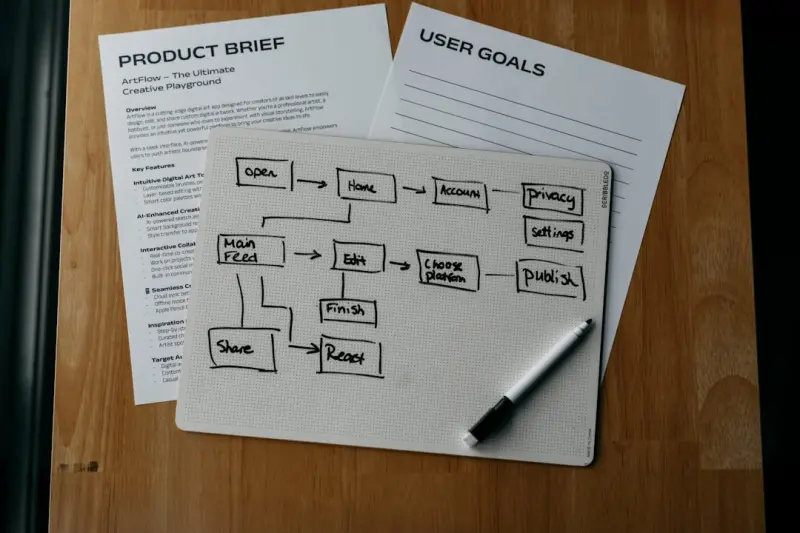
How AI is Redefining B2B SaaS Product Discovery and Market Fit
AI is shifting product discovery from intuition to data‑driven clarity, enabling SaaS teams to prioritize features, reduce churn, and embed sustainability, al...Read More
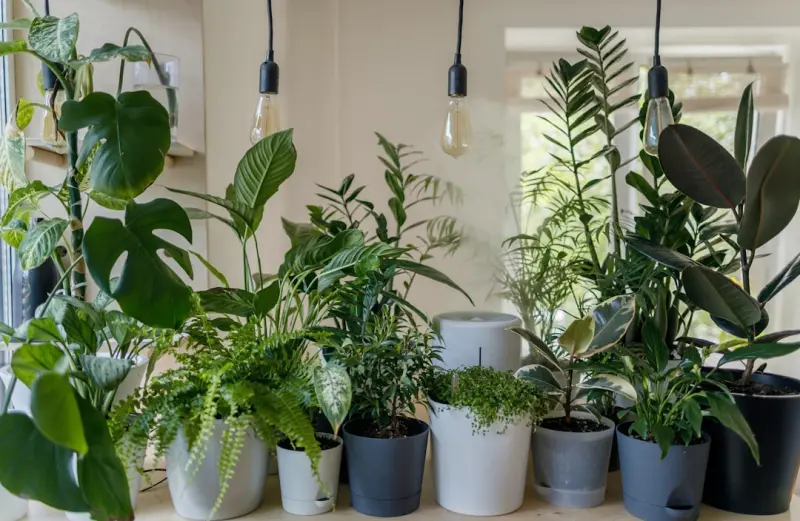
Low‑Maintenance Indoor Plants: A Busy Professional’s Guide to a Healthier Home
A practical guide for busy professionals on selecting, placing, and caring for low‑maintenance indoor plants to improve indoor air, sleep, and overall well‑...Read More

Riding Google’s AI Wave: Rose DesRochers’ Insider Take on the Latest Revolution
Rose DesRochers reveals how Google’s AI evolution reshapes search, content creation, and SEO, offering a 30‑day playbook to stay ahead of the AI wave....Read More

Travel Light, Live Large: Mastering the Capsule Wardrobe for Global Adventures
A guide to building a versatile five‑piece capsule wardrobe, essential lightweight tech, and mindful packing tips that turn every trip into a freer, more imme...Read More
0 Comments
Post Comment
You will need to Login or Register to comment on this post!