
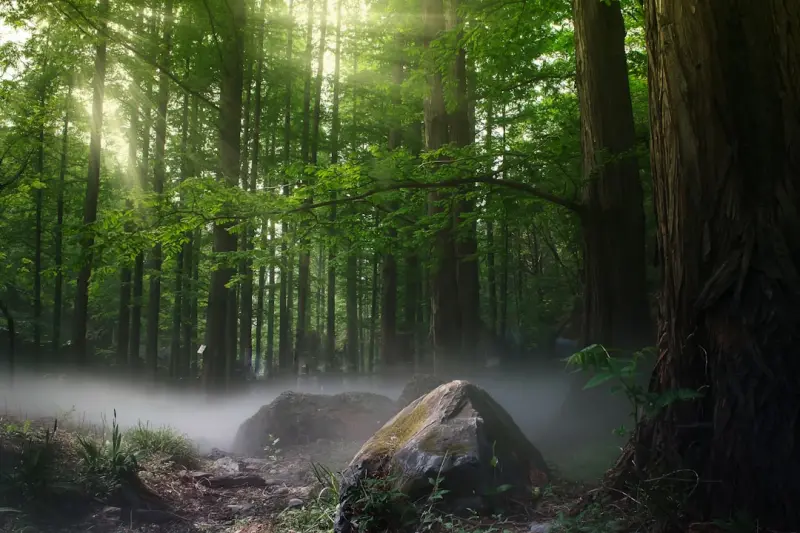
Stepping Into the Green: Why Forest Bathing Is the Next Health Revolution
When I first heard the term “forest bathing,” I imagined a literal soak in a pond of pine sap—an absurd image that quickly gave way to curiosity. The practice, known in Japan as shinrin‑yoku, invites us to wander slowly through trees, breathing in the ambient aroma of leaves and soil, and letting the forest’s rhythm reset our internal clocks. Unlike high‑intensity workouts or strict diet regimens, this quiet immersion asks for nothing more than presence, making it accessible to anyone, regardless of fitness level or schedule. As someone who’s chased the latest wellness fads, I was skeptical, but the mounting research and personal anecdotes began to tip the scales. What started as a weekend hike turned into a weekly ritual that left my mind clearer, my stress levels lower, and my immune system surprisingly resilient. In this article, I’ll walk you through the science, the practical steps, and the subtle ways forest bathing can become a cornerstone of a healthier life.
What the Science Says: Phytoncides, Immunity, and Beyond
Forests are more than just a backdrop for meditation; they are living laboratories that emit bioactive compounds called phytoncides—volatile organic substances released by trees to fend off insects and disease. When inhaled, these compounds have been shown to increase the activity of natural killer (NK) cells, the body’s frontline defense against viruses and tumors. A landmark study in Japan measured NK cell activity before and after a three‑day forest stay and found a 50% boost that persisted for up to a month. Beyond the immune system, exposure to the green canopy reduces inflammation markers such as C‑reactive protein, suggesting a systemic anti‑oxidative effect. The low‑level stress of navigating uneven terrain also triggers mild aerobic activity, improving cardiovascular health without the burnout associated with gym routines. In short, the forest provides a multi‑sensory cocktail of benefits that modern, sterile environments simply cannot replicate.
Mental Health Gains: From Cortisol to Creative Flow
The mental toll of constant digital stimulation is undeniable—elevated cortisol, scattered attention, and a lingering sense of overwhelm. Forest bathing counters these effects through what researchers call the Attention Restoration Theory (ART). Natural settings engage our involuntary attention, allowing the directed attention system—responsible for focus and problem‑solving—to rest and recover. Studies have documented a 20% reduction in cortisol levels after just 30 minutes of mindful walking among trees. Moreover, the rhythmic sounds of rustling leaves and distant birdcalls stimulate the parasympathetic nervous system, fostering a state of calm that promotes deeper sleep and emotional regulation. Creative professionals report a surge in ideas after forest immersion, attributing it to the “soft fascination” that frees the mind from the constant barrage of notifications. In essence, the forest acts as a gentle therapist, recalibrating both mood and cognition.
How to Begin: A Step‑by‑Step Guide to Your First Forest Bath
Starting a forest bathing practice doesn’t require a wilderness expedition; a local park or arboretum can serve as an ideal entry point. Begin by selecting a location with diverse vegetation—oak, cedar, and pine trees produce a richer blend of phytoncides. Arrive with minimal gear: comfortable shoes, weather‑appropriate clothing, and a small water bottle. Turn off or silence your phone to eliminate digital distractions. As you enter the forest, pause for a moment, close your eyes, and take three deep breaths, allowing the scent of earth and foliage to fill your lungs. Walk slowly, paying attention to textures underfoot, the pattern of light through leaves, and the subtle sounds around you. Spend at least 20–30 minutes, but let your intuition guide the duration. Finish by reflecting on any shifts in mood or physical sensations. Consistency is key; aim for two to three sessions per week, gradually extending the time as your comfort grows.
Bringing the Forest Inside: Urban Adaptations and Complementary Practices
Not everyone lives near a dense woodland, but the principles of forest bathing can be adapted to city life. Create a “micro‑forest” on your balcony using potted trees, ferns, and moss, and treat it as a personal sanctuary. Pair this green corner with the insights from everyday micro‑movements for long‑term health to incorporate gentle stretches while you breathe deeply among the foliage. Even a walk through a well‑maintained urban park, deliberately slowing your pace and engaging all senses, can trigger the same physiological responses as a deep forest. For those with limited outdoor access, consider indoor nature sounds, high‑resolution forest video loops, and aromatherapy with essential oils derived from pine or cedar. These adaptations bridge the gap between the concrete jungle and the natural one, ensuring that the therapeutic benefits of green spaces remain within reach, no matter where you reside.
Forest Bathing vs. Other Wellness Trends: What Sets It Apart?
Mindfulness meditation, yoga, and high‑intensity interval training dominate the wellness conversation, each offering distinct advantages. Meditation sharpens mental focus, yoga blends movement with breath, and HIIT boosts metabolic health. Forest bathing, however, uniquely combines low‑impact physical activity with a multisensory immersion that simultaneously stimulates the immune, endocrine, and nervous systems. Unlike yoga mats or gym equipment, the forest is a free, renewable resource that evolves with the seasons, providing varied stimuli that keep the practice fresh. Moreover, the social aspect is flexible—you can wander alone for introspection or invite friends for a shared, low‑pressure experience. This versatility makes forest bathing a holistic complement rather than a competitor to existing routines, enhancing the benefits of other practices while filling gaps left by more structured modalities.
My Personal Journey: From Skeptic to Forest Advocate
My first foray into forest bathing was born out of burnout after a demanding product launch. I chose a nearby state forest, armed with a skeptical mindset and a packed schedule. Within the first half‑hour, the cacophony of traffic receded, replaced by the subtle chorus of insects and wind‑kissed leaves. I felt an unexpected lightness, a release of the tension that had built up over months. Over the next several weeks, I tracked my energy levels, sleep quality, and mood in a journal. The data painted a clear picture: deeper sleep, fewer mid‑day cravings, and a steadier mood swing. To round out the experience, I integrated short, intentional movements inspired by the earlier article on micro‑movements, using the forest’s natural obstacles for gentle balance work. This synergy amplified both the mental calm and physical vitality I gained, cementing forest bathing as a non‑negotiable part of my health arsenal.
Taking the Next Step: Make Forest Bathing a Habit Today
If you’ve read this far, you’re likely ready to give forest bathing a try. The barrier to entry is low, the payoff is high, and the science is compelling. Start by mapping out local green spaces and schedule a 30‑minute session this weekend. Remember to silence devices, breathe deliberately, and allow yourself to simply be present among the trees. As you progress, consider logging your experiences to notice patterns in mood, immunity, and creativity. For added depth, explore the smart micro‑design hacks for a more functional home to craft a nature‑infused corner that extends the benefits indoors. By making forest bathing a regular ritual, you’ll tap into a timeless, evidence‑based practice that nurtures body, mind, and spirit—without the need for expensive gadgets or restrictive diets.

Robert Mathews is a professional content marketer and freelancer for many SEO agencies. In his spare time he likes to play video games, get outdoors and enjoy time with his family and friends .
Related Posts

Hydration Hacks: Fueling Remote Brainpower and Wellness
A deep dive into how intentional water intake can sharpen cognition, elevate mood, and improve overa... Read More

Breathing Easier at Home: How to Upgrade Your Remote Workspace Air Quality
Learn how to transform your home office into a healthier workspace with easy ventilation tricks, sma... Read More

Micro‑Moments: Why Short, Intentional Pauses Are the New Health Super‑Power for Knowledge Workers
Micro‑moments—brief, intentional pauses woven into the workday—reset the brain, lower stress, ... Read More
Top Posts

Charting the Future: AI‑Infused Product Roadmaps for SaaS Teams
Integrating AI into SaaS product roadmaps turns raw data into a dynamic guide, enabling faster, data‑driven decisions and aligning teams around the most valua...Read More

Edge Computing Unleashed: A New Frontier for SaaS Innovation
Edge computing is reshaping SaaS by delivering sub‑second response times, enhancing security, and opening new product possibilities. This guide offers a pract...Read More

Micro‑Movement Mastery: Boosting Health and Performance at the Desk
Micro‑movement offers a low‑effort, high‑impact way to counteract the harms of sitting. Learn the science, simple exercises, and gamified tips to integrat...Read More

Beyond Sightseeing: How Community‑Driven Adventures Redefine the Journey
Travel becomes richer when you step into the daily lives of locals, sharing skills, stories, and meals. Discover how community‑driven adventures turn trips in...Read More
0 Comments
Post Comment
You will need to Login or Register to comment on this post!