
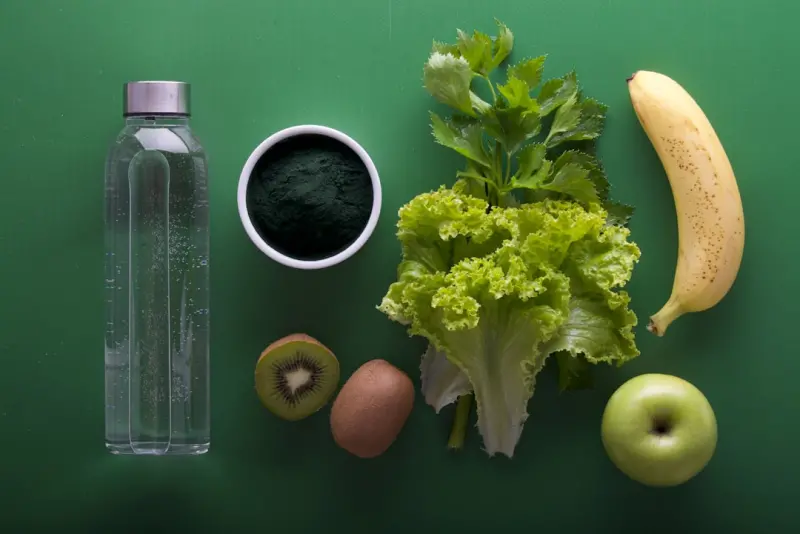
Why Water Is the Unsung Superhero of Remote Work
When we talk about productivity hacks for remote teams, the conversation usually orbits around tools, time‑boxing, or the occasional ambient lighting tweak. Yet, the most powerful lever you can pull sits right on your desk: the glass of water you keep within arm’s reach. Hydration isn’t just about quenching thirst; it’s a neuro‑chemical catalyst that fuels cognition, stabilizes mood, and safeguards the immune system—especially when your office is a couch in the living room.
The Science Behind Sips
Every cell in your body is 70% water. When that balance dips even slightly, the brain feels the impact first. Dehydration of as little as 1‑2% can impair short‑term memory, increase reaction time, and make you more prone to mental fatigue. The mechanism is simple: water is the medium for neurotransmitter synthesis and waste removal. Without adequate fluid, the brain’s “brain‑fluid” circulation slows, leading to a buildup of metabolic by‑products that fog clarity.
Research shows that a well‑hydrated brain processes information up to 30% faster. That translates directly into faster ticket resolution, sharper code reviews, and more creative brainstorming sessions. For remote workers, who often miss the natural cues of a bustling office (like a colleague offering a coffee), intentional hydration becomes a deliberate performance enhancer.
Common Hydration Pitfalls for Remote Professionals
- Desk‑Side Distractions: Notifications, chat pings, and endless Zoom calls make it easy to forget to drink.
- Misplaced Priorities: Reaching for caffeine or sugary snacks feels like a quick fix, but it masks underlying dehydration.
- Environmental Factors: Home heating, air conditioning, and low humidity can accelerate fluid loss.
- “I’ll Hydrate Later” Mentality: Without a structured routine, the “later” never arrives, and the water bottle gathers dust.
Hydration Hacks Tailored for the Digital Nomad
Below are practical, science‑backed strategies that you can embed into your daily workflow without breaking the rhythm of your remote hustle.
1. The 20‑Minute Rule
Set a timer for every 20 minutes of focused work. When it buzzes, take a micro‑drink—a sip of water, a quick stretch, and a reset of your posture. This mirrors the concept of micro‑breaks but adds a hydration trigger. Over an eight‑hour day, that’s 24 intentional sips, equating to roughly 500 ml of water—an easy baseline.
2. Flavor‑Infused Hydration
If plain water feels bland, experiment with natural infusions: cucumber‑mint, citrus‑berry, or ginger‑lemon. These add micronutrients and antioxidants without the sugar crash of sodas or juice boxes. The subtle flavor cues also serve as a reminder to keep sipping.
3. Leverage Wearable Tech
Many smartwatches now include hydration tracking, prompting you based on activity levels, temperature, and even sweat rate. Pair this with a custom dashboard that visualizes your daily intake alongside task completion metrics. When you see a direct correlation—more water, higher task throughput—the habit solidifies.
4. The “Hydration Station” Desk Layout
Place a reusable bottle at the front-left corner of your monitor (the spot you naturally glance at first). This visual anchor reduces the friction of reaching for a cup and creates a Pavlovian cue: look at the screen, see the bottle, drink.
5. Sync Hydration With Meetings
Before each video call, fill a glass. While you wait for participants to join, take a sip. This not only pre‑hydrates you but also prevents the “dry‑mouth” syndrome that can affect speech clarity during presentations.
6. Electrolyte Balance for Long Sessions
Extended deep‑work marathons deplete electrolytes, especially if you’re sweating under a home office heater. Add a pinch of sea salt or a low‑sugar electrolyte tablet to your water to maintain sodium, potassium, and magnesium levels—key for nerve signaling and muscle function.
7. Use “Hydration Blocks” in Your Calendar
Just as you block time for focus, allocate 5‑minute “hydration blocks.” Treat them like any other meeting: no emails, no Slack, just a pause to drink and breathe. Over time, your calendar will reflect a healthier rhythm.
Hydration’s Ripple Effect on Overall Health
Beyond cognition, adequate fluid intake influences several health dimensions critical to remote workers:
- Joint Health: Water lubricates cartilage, reducing the risk of stiffness from prolonged sitting.
- Digestive Function: Proper hydration supports efficient metabolism and prevents constipation, a common complaint among desk‑bound professionals.
- Immune Resilience: Lymph fluid, which transports white blood cells, relies on water to circulate effectively, bolstering resistance to colds during intense project sprints.
- Mood Stability: Dehydration can trigger irritability and anxiety; staying hydrated smooths emotional spikes that can otherwise derail collaborative efforts.
Integrating Hydration Into Team Culture
While personal habits are vital, fostering a culture of hydration amplifies the impact. Here are ways leaders can champion this initiative:
Team Hydration Challenges
Launch a month‑long challenge where each team member logs daily water intake using a shared spreadsheet or a dedicated channel. Offer playful incentives—like a virtual “Water Wizard” badge—to keep motivation high. This mirrors the gamified approaches seen in gamify your funnel but focuses on health.
Virtual “Water Break” Stand‑Ups
Replace one quick stand‑up each week with a “Water Break” where the whole team shares a hydration tip. It builds community, spreads knowledge, and normalizes taking short health pauses.
Hydration‑Friendly Office Supplies
Supply reusable bottles, glass pitchers, and fruit‑infused water recipes in the office pantry (or ship them to remote employees). Visible resources lower the barrier to action.
Case Study: Turning Hydration Into a Competitive Edge
One SaaS startup recently incorporated hydration metrics into its employee wellness dashboard. Over a quarter, they observed a 12% increase in average sprint velocity and a 9% drop in reported fatigue. The leadership attributed this boost to the combined effect of better brain function and reduced sick days.
This success aligns with the broader principle that small physiological optimizations can cascade into macro‑level performance gains. When you pair hydration with other health pillars—like the micro‑expeditions that encourage movement—you create a resilient, high‑output workforce.
Addressing Common Myths
- “I Only Need Water When I’m Thirsty.” Thirst is a lagging indicator; by the time you feel it, you’re already mildly dehydrated.
- “Coffee Counts as Hydration.” Caffeine has a mild diuretic effect; while coffee contributes fluid, it shouldn’t replace water.
- “I Can’t Drink Too Much Water.” Over‑hydration is rare but possible; aim for steady intake throughout the day rather than massive gulps.
Putting It All Together: Your 7‑Day Hydration Blueprint
Kickstart your hydration habit with this simple plan:
- Day 1: Fill a 1‑liter bottle and place it on your desk. Drink a sip every 20 minutes.
- Day 2: Add a slice of lemon to your water for flavor and vitamin C.
- Day 3: Set a wearable reminder for “hydration blocks” in your calendar.
- Day 4: Introduce an electrolyte tablet during your longest work session.
- Day 5: Share a hydration tip in a team channel and log your intake.
- Day 6: Pair your water with a 5‑minute stretch after each sip.
- Day 7: Review your productivity metrics; notice any correlation between higher intake and smoother workflow.
By the end of the week, you’ll have cultivated a habit that not only supports your brain but also signals to your body that it’s being cared for—a subtle yet powerful morale booster.
Conclusion: Drink to Think, Lead, and Thrive
In the fast‑paced world of remote SaaS teams, the smallest actions often yield the biggest returns. Hydration is a low‑cost, high‑impact habit that fuels cognition, stabilizes mood, and reinforces physical health. When you integrate intentional sipping into your workflow and champion it across your organization, you unlock a hidden productivity lever that rivals any new software tool.
So, the next time you reach for that coffee mug, pause and consider a glass of water instead. Your brain, your teammates, and your bottom line will thank you.

Sanji Patel has dedicated 25 years to the SEO industry. As an expert SEO consultant for news publishers, he emphasizes providing both technical and editorial SEO services to news publishers worldwide. He frequently speaks at conferences and events globally and offers annual guest lectures at local universities.
Related Posts

Forest Bathing: How Immersive Nature Walks Rewire Your Brain and Boost Immunity
Explore the science behind forest bathing, learn practical steps to incorporate nature walks into yo... Read More

The Quiet Power of Sensory Hygiene: Reclaiming Calm in an Overstimulated World
Learn practical sensory hygiene rituals—5‑5‑5 Reset, Digital Sunset, and Sensory Zoning—to c... Read More

Micro‑Break Mastery: Recharging the Knowledge Worker in 5‑Minute Bursts
Learn how a simple 5‑45‑5 cycle of movement, deep work, and mental reset can transform productiv... Read More
Top Posts
Ambient Computing: The Invisible Engine Powering Tomorrow’s Devices
Explore the rise of ambient computing—how subtle, context‑aware technology is reshaping homes, offices, and the way brands interact with users, all while bo...Read More

Predictive Intent Scoring: The Engine Behind Hyper‑Personalized B2B Campaigns
Predictive intent scoring turns raw behavior data into a dynamic, real‑time metric that fuels hyper‑personalized email, website, and ad experiences, deliver...Read More

Digital Sleep Optimization: How Tech is Redefining Rest
Explore the latest sleep technologies—from AI coaches to smart lighting—and learn practical steps to improve rest in our hyper‑connected world....Read More
When AI Becomes Your Personal Accountability Coach
Imagine an AI that nudges you toward your goals, tracks progress, and offers real‑time feedback—turning ambition into habit without the guilt of a human ove...Read More
0 Comments
Post Comment
You will need to Login or Register to comment on this post!