
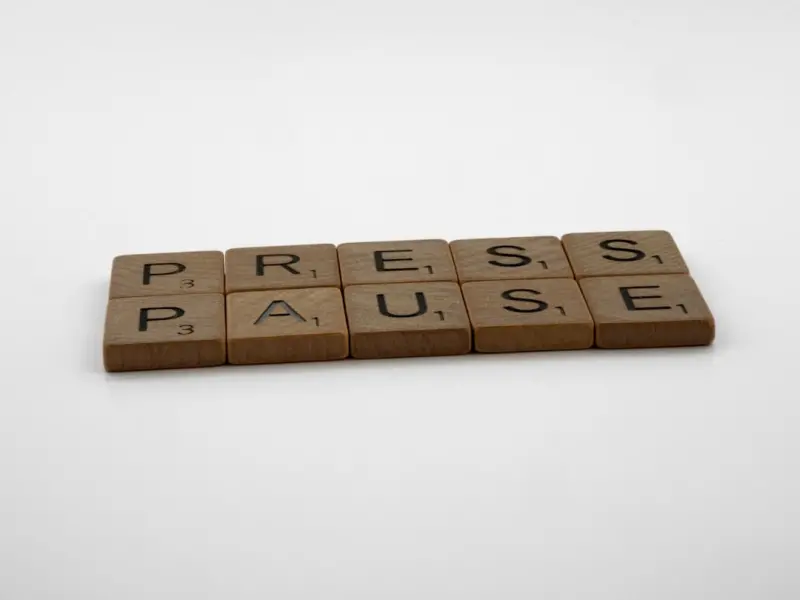
Why Micro‑Moments Matter
When I first stepped into my home office after a long stretch of in‑person meetings, I felt a familiar heaviness in my shoulders and a foggy mental state that made even the simplest tasks feel like climbing a mountain. I tried the usual fixes – a giant coffee, a power‑nap, a quick walk around the block – but the relief was fleeting. That’s when I discovered the transformative power of micro‑moments: intentional pauses that last anywhere from 30 seconds to three minutes. Unlike the traditional “take a 10‑minute break” mantra, micro‑moments weave seamlessly into the flow of work, giving the brain a chance to reset without breaking momentum.
The Science Behind Tiny Breaks
Neuroscience tells us that our brains operate in bursts of high‑frequency activity followed by short periods of reduced firing. This pattern, known as “brain‑based cycles”, is essential for memory consolidation, creative insight, and emotional regulation. When we force ourselves to stay glued to a screen for an hour or more, we override this natural rhythm, leading to cognitive fatigue, reduced dopamine levels, and a spike in cortisol – the stress hormone.
Research from the University of Illinois demonstrated that participants who took a 30‑second “mindful pause” every ten minutes showed a 12% increase in task accuracy and reported lower perceived stress. The secret lies in allowing the default mode network (the brain’s internal “idle” mode) to activate, which is when subconscious problem‑solving and creativity flourish.
Designing Your Day with Micro‑Moments
Implementing micro‑moments isn’t about adding another item to a to‑do list; it’s about embedding them into the architecture of your workday. Here’s a simple framework I use, which you can customize to fit any role or industry:
- Identify natural transition points. These are moments when you finish a task, receive an email, or switch between software tools. Aim for a 30‑second pause before you start the next activity.
- Choose a reset cue. It could be a gentle stretch, a deep‑breathing cycle, a sip of water, or even a glance at a calming visual (like a plant or a piece of artwork).
- Set a timer. Use your phone, a browser extension, or a physical timer that vibrates. The key is a non‑intrusive reminder that signals it’s time for a micro‑moment.
- Log the effect. Keep a quick journal or a digital note of how you felt before and after each pause. Over a week, patterns emerge that help you fine‑tune the length and type of each micro‑moment.
Tools and Techniques for Seamless Integration
While a simple timer works for many, there are a few tools that elevate the micro‑moment experience:
- Desktop widgets. Apps like Stretchly or Workrave let you customize pause intervals and suggest specific movements (neck rolls, wrist extensions).
- Ambient sound generators. A subtle 10‑second chime or nature sound cue can serve as a soothing reminder without breaking concentration.
- Smart lighting. Integrate your pause schedule with smart bulbs that dim slightly during a micro‑moment, reinforcing the brain’s association between light levels and relaxation. For a deeper dive on lighting and health, see Rewiring Your Internal Clock.
- Hydration hacks. Pair a micro‑moment with a sip of water infused with a slice of citrus or cucumber. Not only does it remind you to stay hydrated, but the act of drinking triggers a brief mental reset. Curious about the broader impact of hydration on cognition? Check out Hydration Hacks.
Case Studies from Real Teams
Design agency “PixelPulse”. After a pilot where designers took 45‑second micro‑breaks after every mockup, the agency reported a 23% reduction in reported eye strain and a 15% increase in client‑approved concepts within the first month. The secret? Designers used a quick “eye‑roll” exercise and a glance at a curated mood board during each pause.
Remote support team at “HelpDesk Pro”. The team struggled with screen fatigue after handling back‑to‑back tickets. By integrating a 60‑second “post‑ticket breath” micro‑moment, they saw average handling time drop by 7% and customer satisfaction scores rise by 4 points. The breath exercise was simple: inhale for four counts, hold for two, exhale for six.
Data analytics group at “Insight Labs”. Analysts faced mental exhaustion when interpreting large data sets. They introduced a “micro‑visualization pause”: a brief glance at a calming nature photo while performing a finger‑tap rhythm. Over six weeks, error rates in data entry fell by 9% and the team reported higher overall morale.
Integrating Micro‑Moments with Existing Wellness Practices
If your organization already promotes wellness through yoga classes, meditation sessions, or ergonomic assessments, micro‑moments can act as the connective tissue that keeps those practices alive throughout the day. For example:
- Pair a micro‑moment with a standing desk transition – stand for a minute, stretch, then sit again.
- Use a micro‑moment before a scheduled virtual meditation to cue your brain into a relaxed state, making the longer session more effective.
- Combine micro‑moments with nutrition breaks: a quick bite of nuts or a piece of fruit can provide a glucose boost that supports cognitive function.
When micro‑moments become a habitual part of the workflow, they reinforce larger health initiatives, creating a culture where well‑being isn’t an add‑on but a built‑in feature of the work environment.
Overcoming Common Objections
“I don’t have time for breaks.” – This is the most frequent pushback. The reality is that micro‑moments are time‑saving. By preventing the cumulative drain of mental fatigue, you actually accomplish more in the same hour. Think of it as a performance‑enhancing micro‑investment rather than a productivity drain.
“My manager will see it as slacking.” – Transparency is key. Share the data: present the measurable improvements in accuracy, speed, or creative output that you’ve observed. Many forward‑thinking leaders are eager to adopt evidence‑based practices that improve team output.
“I’m too busy to remember to pause.” – Automate the reminder. A simple browser extension or a smartwatch vibration can prompt you without adding cognitive load. Once the habit forms, you’ll start cueing yourself naturally (e.g., after you close a document).
Future Trends: Micro‑Moments in a Hybrid World
As hybrid work becomes the norm, the boundary between “office” and “home” blurs. Micro‑moments provide a portable, context‑agnostic way to maintain health regardless of location. Imagine a future where your collaboration platform automatically detects prolonged typing activity and suggests a micro‑moment, complete with a brief guided stretch video embedded directly in the chat window.
Artificial intelligence could soon personalize micro‑moment recommendations based on real‑time biometric data from wearables, adjusting duration and type to match your current stress level. The possibilities are endless, but the core principle remains simple: small, intentional pauses are the foundation for sustainable high performance.
Final Thoughts
Micro‑moments are not a gimmick; they’re a scientifically backed, low‑effort strategy that empowers knowledge workers to reclaim focus, creativity, and well‑being. By embedding brief, purposeful pauses into the rhythm of your day, you align your work habits with the brain’s natural cycles, reduce stress, and unlock hidden reserves of productivity.
If you’re ready to experiment, start with one simple cue – a deep breath after every email – and track the impact for a week. The data will speak for itself, and you’ll likely find that the biggest health upgrade you can make doesn’t require a new app, a new supplement, or a major schedule overhaul. It lives in the space between tasks, waiting for you to notice it.

In the world of freelance writing, where creativity and adaptability are paramount, Michelle Fisher stands out as a dedicated and versatile professional. With a passion for crafting compelling narratives and a keen eye for detail, Michelle has established herself as a trusted voice.
Related Posts
Microbiome Mastery: Simple Hacks for a Healthier Gut
Discover actionable strategies to nurture your gut microbiome through fermented foods, diverse plant... Read More

Why a Digital Sunset Could Be Your Secret Weapon for Wellness
The digital sunset—a deliberate stop to all screen use each evening—helps reset circadian rhythm... Read More

Nutrigenomics: Personalizing Nutrition for Peak Performance
A deep dive into nutrigenomics reveals how DNA‑based diet plans can transform energy levels, menta... Read More
Top Posts

When AI Becomes Your Personal Accountability Coach
Imagine an AI that nudges you toward your goals, tracks progress, and offers real‑time feedback—turning ambition into habit without the guilt of a human ove...Read More

The Art of Sensory Home Curation: Scent, Light, and Texture for Everyday Calm
Explore practical, low‑cost ways to boost your home’s ambiance through scent, lighting, and texture, creating a calming environment that supports wellness a...Read More

Seasonal Home Refresh: Simple Swaps to Keep Your Space Fresh All Year
A practical guide to refreshing your home each season using budget‑friendly textile swaps, smart‑home tech, and eco‑friendly touches, ensuring a vibrant a...Read More
Conversational Commerce: The Next Frontier for B2B SaaS Marketers
Discover why messaging platforms like Slack and Teams are becoming the new storefront for B2B SaaS, and learn a practical five‑pillar framework to turn chats ...Read More
0 Comments
Post Comment
You will need to Login or Register to comment on this post!