
The Power of Intentional Micro‑Design
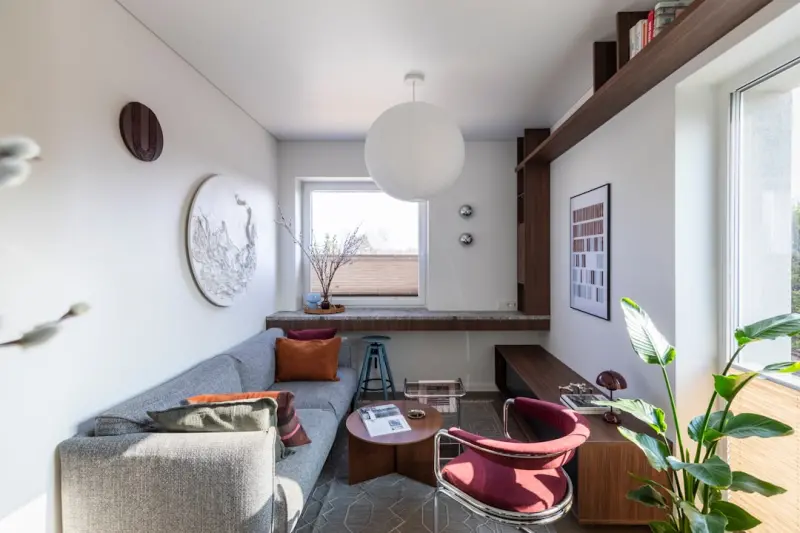
When I first stood in my cramped city loft, I realized that every square inch was screaming for purpose, and that realization sparked a habit of treating each nook as a design opportunity rather than a limitation; this mindset shift transformed my daily routine from a frantic scramble to a graceful flow that feels almost cinematic. By cataloguing the activities that happen in each corner—whether it’s a five‑minute coffee pause, a quick shoe‑swap, or a midnight book binge—I began to assign “micro‑functions” that stack neatly, allowing me to retrieve a mug, slip on a pair of slippers, and settle into a page without crossing the room, a practice that mirrors the efficiency champions in the fitness world yet stays firmly rooted in home life. The result is a living space that feels larger, more intentional, and surprisingly easier to maintain, a concept you can explore further in Unlocking the Hidden Benefits of Everyday Micro‑Movements, which illustrates how tiny adjustments compound into big gains.
Transforming Tight Corridors into Functional Galleries
Most homeowners view hallways as mere passageways, but I’ve learned to see them as under‑utilized galleries where storage, display, and even light can converge, turning the dreaded “dead zone” into a showcase for personality and practicality; this approach begins with installing slim, floating shelves that cradle books, plants, or travel souvenirs without encroaching on foot traffic. Adding a narrow console table with a built‑in charging station creates a convenient drop‑off spot for keys, mail, and gadgets, while a series of low‑profile hooks along the wall provides a graceful home for jackets and bags, eliminating clutter that would otherwise spill into the living area. To keep the corridor feeling airy, choose a light‑reflective paint and consider a mirrored accent panel that visually expands the space—an easy trick that also doubles as a decorative focal point, and you’ll find a complementary tip in Seasonal Swaps and Smart Hacks for seasonal décor rotation.
Smart Lighting That Serves Mood and Wallet
Lighting has always been a silent influencer of how we feel at home, yet most of us settle for a single‑tone fixture that drains both energy and enthusiasm; my breakthrough came when I paired affordable smart bulbs with a simple routine that adjusts color temperature and brightness based on the time of day, creating a sunrise‑inspired wake‑up, a focused daylight for work, and a warm amber glow for evening relaxation. By integrating motion sensors in high‑traffic zones such as the kitchen and bathroom, lights only illuminate when needed, slashing electricity bills while ensuring safety, and the combination of dimmable LEDs with a programmable schedule eliminates the guesswork of manual switches. To help you get started, I’ve compiled a quick
- Install a hub‑compatible smart bulb in the main living area.
- Set three scenes: “Energize,” “Focus,” and “Unwind.”
- Use a motion sensor plug for night‑time hallway lighting.
These steps require minimal wiring and can be completed over a weekend, delivering a noticeable improvement in ambiance and cost savings.
DIY Air Quality Boosters on a Budget
While many homeowners invest in pricey air purifiers, I discovered that a handful of inexpensive, natural solutions can dramatically improve indoor air without breaking the bank, starting with strategically placed houseplants such as spider plant, peace lily, and snake plant, which absorb pollutants and release oxygen, creating a living filtration system that also adds a touch of greenery. Complementing the flora, I crafted a simple activated‑charcoal filter by filling a breathable fabric bag with charcoal granules and hanging it near the kitchen vent; this DIY unit traps cooking odors and volatile organic compounds, providing a noticeable freshness that rivals commercial units. Finally, I instituted a “window‑open‑hour” habit each morning, using a timer to ensure a consistent influx of fresh air while preventing excessive heat loss, a practice that not only refreshes the environment but also helps regulate humidity—a subtle yet powerful habit that echoes the health‑centric ethos found in Crafting Quiet Zones, where thoughtful micro‑adjustments lead to larger wellness benefits.

Robert Mathews is a professional content marketer and freelancer for many SEO agencies. In his spare time he likes to play video games, get outdoors and enjoy time with his family and friends .
Related Posts
Bring the Outdoors In: A Practical Guide to Biophilic Home Design
Learn how to integrate natural light, greenery, textures, and soundscapes into any home, creating a ... Read More
Designing Home Zones That Boost Focus, Calm and Creativity
Discover practical steps to carve out dedicated focus, rest, and creative zones in your home, using ... Read More
Soundproof Your Home Office Without Breaking the Bank
Discover practical, low‑cost methods to seal gaps, add mass, and absorb sound, turning any noisy c... Read More
Top Posts

Mastering Voice Search SEO: Strategies for the Conversational Era
Learn how to dominate voice search with conversational keyword strategies, structured data, and personalized content that aligns with modern AI assistants and d...Read More

Riding Google’s AI Wave: A Human‑First Marketer’s Perspective
Explore a human‑first marketer’s take on Google’s AI evolution, practical tactics, and real‑world success stories that keep brands ahead of the algorith...Read More

Why Short‑Form Video Is the Secret Weapon for B2B Marketers
Short‑form video is reshaping B2B digital marketing by delivering micro‑engagement, emotional impact, and measurable pipeline contribution—all in under a ...Read More

When Your Trip Becomes a Live Lab: Co‑Creating Experiences with Real‑Time Data
Explore the live lab approach to travel, using wearable tech, AI assistants, and micro‑wellness rituals to turn trips into real‑time experiments that genera...Read More
0 Comments
Post Comment
You will need to Login or Register to comment on this post!