

Why Sensory Design Matters
When we talk about home improvement, most checklists stop at paint colors, furniture layout, and storage solutions, yet the true power of a space lies in the way it engages our five senses; a home that feels good to see, hear, smell, touch, and even taste can transform everyday routines into moments of quiet joy, reducing stress and boosting overall wellbeing, and this holistic approach is especially valuable in today’s fast‑paced world where we constantly seek refuge from external noise and digital overload. By deliberately curating sensory experiences—soft acoustic panels that mute hallway echoes, strategically placed scented candles that shift mood with the season, plush textiles that invite lingering, and lighting that mimics natural daylight—we create an environment that subtly supports mental health while still looking stylish, proving that comfort and design are not mutually exclusive but rather two sides of the same thoughtful renovation coin.
Soundscapes That Soothe
Sound is often the invisible architect of comfort; a sudden clatter of dishes or a thin‑walled apartment that carries neighbor chatter can instantly erode the sense of sanctuary, which is why incorporating soft sound‑absorbing elements like cork flooring, fabric‑covered wall art, and oversized area rugs can dramatically lower reverberation, turning a bustling living room into a calming oasis, and for those who crave a more intentional acoustic palette, adding a discreet white‑noise machine or a curated playlist of nature sounds can mask intrusive noises while reinforcing a rhythm of relaxation. Pairing these choices with strategic placement of bookshelves filled with soft‑cover volumes not only offers storage but also acts as a diffusion barrier, creating a layered acoustic environment that feels both intimate and spacious, allowing you to hear the gentle hum of your own breathing instead of the city’s relentless din.
Fragrance Layers for Mood
Our sense of smell is directly linked to the limbic system, the brain region governing emotion and memory, making fragrance a powerful yet often overlooked tool in home design; by layering scents—citrus notes in the kitchen to invigorate morning prep, lavender in the bedroom for restful sleep, and warm sandalwood in the living area for cozy evenings—you can program your home to support the activities that happen within each room, and the best part is that these olfactory cues can be introduced without expensive diffusers, simply by rotating essential‑oil‑infused sachets in drawers, placing a bowl of fresh herbs on the countertop, or using sustainably sourced soy candles that burn cleanly while releasing nuanced aromas. When you combine these aromatic strategies with natural ventilation, you ensure that each fragrance remains bright rather than stale, creating a dynamic scent profile that evolves with the day and subtly guides your emotional state from sunrise to sunset.
Tactile Textures for Comfort
Touch is the most immediate sense we experience at home, and the textures we surround ourselves with can either invite us to linger or push us to move on; opting for plush, high‑pile throws on a sofa, velvety cushions on dining chairs, and a mix of smooth stone countertops with warm wooden cutting boards adds a tactile richness that encourages you to pause, savor a cup of tea, or linger over a meal, while the strategic use of contrasting textures—soft velvet against sleek glass, matte ceramic versus polished brass—creates visual interest that feels grounded in physical reality. To keep maintenance manageable, choose fabrics that are stain‑resistant yet soft, such as performance blends for high‑traffic sofas, and integrate natural fibers like linen for curtains that breathe, allowing the home to feel lived‑in and inviting without sacrificing durability or aesthetic harmony.
Lighting as Emotional Cue
Light shapes how we perceive space, and the quality, direction, and color temperature of illumination can either energize a room or lull it into serenity; by layering lighting—ambient overhead fixtures that provide a gentle wash, task lighting for reading nooks, and accent lights that highlight artwork—you give each area a purpose while preventing harsh shadows that strain the eyes, and the use of dimmable LEDs lets you adjust brightness to match the time of day, replicating sunrise warmth in the morning and a soft amber glow in the evening, thereby aligning your home’s rhythm with your circadian needs. Incorporating smart bulbs that shift hue can further enhance mood, for instance, a cool blue hue during a home‑office sprint can boost focus, while a warm amber tone in the living room encourages relaxation, and when paired with sheer curtains that diffuse natural light, the result is a luminous environment that feels both dynamic and nurturing.
Integrating Sustainable Materials
Eco‑friendly choices not only reduce your carbon footprint but also bring unique textures and stories into the home, turning sustainability into a design asset rather than a compromise; reclaimed wood flooring adds character while preserving forest resources, recycled glass tiles introduce subtle sparkle and durability, and low‑VOC paints keep indoor air pure, ensuring that the sensory experience remains wholesome for both occupants and visitors. By selecting biodegradable rugs made from jute or hemp, you introduce a natural, earthy feel underfoot that ages gracefully, while plant‑based upholstery fabrics like Tencel provide silky smoothness without the environmental cost of traditional synthetics, creating a cohesive narrative where every sensory detail reflects a commitment to responsible living and aesthetic excellence.
Smart Yet Subtle Tech
Technology can amplify sensory design when it operates quietly in the background, and today’s smart home devices are sleek enough to blend seamlessly into décor while providing intuitive control over the senses; voice‑activated assistants can dim lights, play soothing playlists, or adjust thermostat settings without the need for visible switches, while smart plugs enable timed activation of aromatherapy diffusers, ensuring your home smells fresh exactly when you return from work. Importantly, these devices should be integrated discreetly—mounting a speaker behind a decorative wall panel or using a minimalist smart thermostat that resembles a classic dial—so they enhance the sensory environment without becoming visual clutter, allowing the focus to remain on tactile, visual, and olfactory experiences rather than on conspicuous gadgets.
Step‑by‑Step Implementation Guide
Begin by auditing each room’s sensory gaps: walk through with a notebook, note areas that feel too echoey, too bright, or scent‑less, then prioritize changes that offer the highest impact for the lowest cost, such as swapping a thin rug for a thicker, plush option or adding a set of fabric‑covered wall panels; next, select a unifying color palette that complements your chosen lighting temperature, and source textiles that align with that palette, ensuring that the visual and tactile cues reinforce each other, then integrate scent by choosing a seasonal fragrance trio that rotates with the calendar, and finally, program smart lighting scenes that correspond with each activity, testing the flow from morning coffee to evening wind‑down to fine‑tune the balance. For inspiration on budget‑friendly swaps, you might explore seasonal home refresh ideas that demonstrate how small adjustments can dramatically shift atmosphere, and for clever storage‑friendly hacks, see hidden gems that show how multifunctional pieces can double as sensory enhancers.
Maintaining the Sensory Balance
Once your sensory sanctuary is established, ongoing maintenance ensures the experience remains fresh and effective; regularly rotate scented candles to prevent scent fatigue, wash textiles according to manufacturer guidelines to preserve softness, and schedule quarterly deep‑cleaning of acoustic panels and carpets to retain their sound‑absorbing qualities, while periodically reassessing lighting angles as furniture layouts evolve, making small adjustments to keep illumination optimal. Embrace a habit of seasonal review—just as you would change a wardrobe, swap out a citrus diffuser for a spiced autumn blend, replace bright summer curtains with richer, insulating drapes, and adjust thermostat schedules to match outdoor temperature shifts—so the home continues to respond to your lifestyle changes, keeping the sensory design dynamic, intentional, and deeply personal.

Related Posts

DIY Fragrance Zones: Turn Any Room into a Sanctuary
Discover step‑by‑step DIY fragrance zones that transform each room’s atmosphere with natural s... Read More
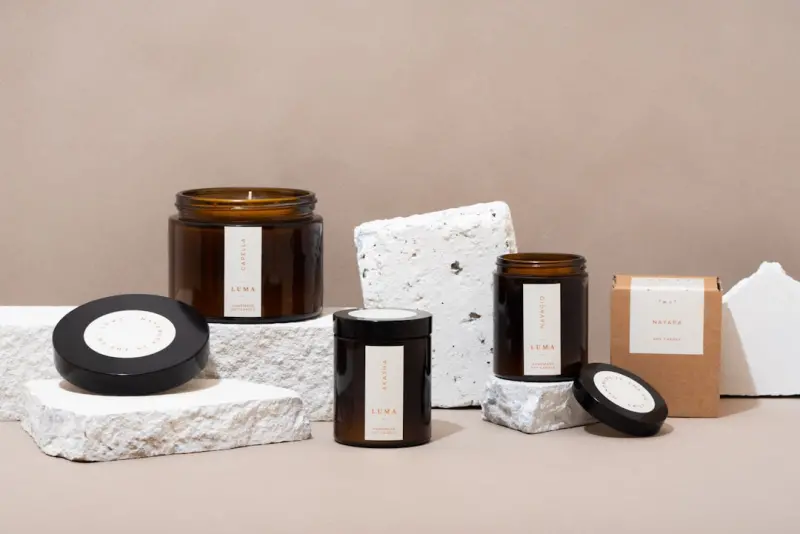
Crafting a Signature Home Aroma: Seasonal Scent Strategies for Every Room
Learn to build a signature home aroma using seasonal scent swaps, natural ingredients, and simple DI... Read More

How to Build a Focus‑Fueling Home Hub Without a Full Renovation
A practical guide to designing a home hub that blends work, wellness, and comfort using lighting, er... Read More
Top Posts

The Hidden Joy of Train Travel: Turning Transit into Destination
Train travel is more than transportation; it's a sustainable adventure that blends technology, wellness, and cultural immersion for modern explorers....Read More

Riding Google’s 2024 AI Wave: Rose DesRochers’ Insider Playbook for Marketers
Rose DesRochers breaks down Google’s 2024 AI overhaul, offering actionable tactics to dominate search, boost relevance, and future‑proof your marketing stra...Read More

Reimagining SaaS Customer Journeys with Adaptive AI
Adaptive AI turns traditional, static SaaS funnels into living, responsive journeys, delivering real‑time personalization, measurable ROI, and ethical safegua...Read More

Travel as a Creative Catalyst for Professionals
Travel can be a powerful strategic tool for professionals. By approaching trips as intentional learning experiences, you can spark innovation, expand your netwo...Read More
0 Comments
Post Comment
You will need to Login or Register to comment on this post!