
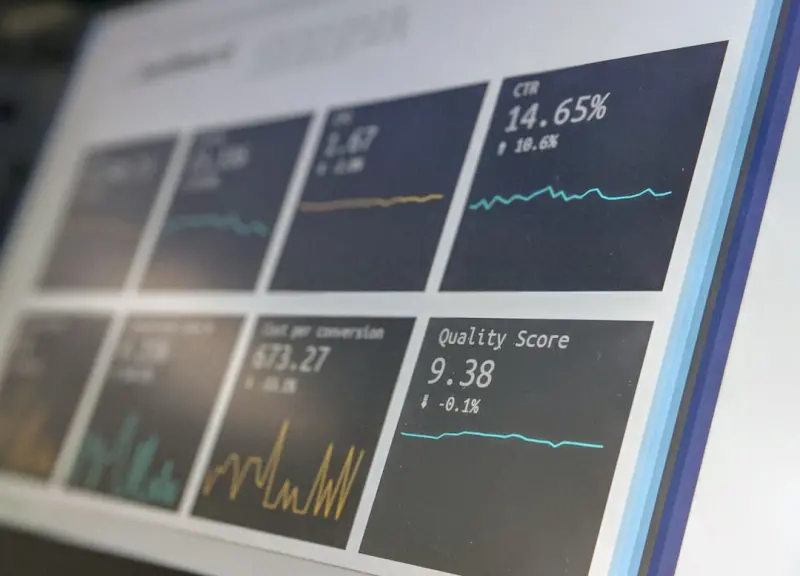
Predictive Personalization: Turning Data into Real‑Time Dialogue
When I first walked into a SaaS conference hall a decade ago, the biggest buzzword was “segmentation.” We’d spend weeks carving out buyer personas, then painstakingly mapping content to each bucket. Fast forward to today, and the landscape feels like a live jazz improv session—fast, fluid, and demanding that every note you play resonates instantly with the audience. The secret sauce? Predictive personalization.
In my 15‑year run as a B2B marketer, I’ve seen the pendulum swing from static email lists to AI‑driven chatbots. Yet the most transformative shift is happening behind the scenes: the ability to anticipate a prospect’s next move before they even think about it. It’s not magic; it’s a disciplined blend of behavioral data, machine learning, and a sprinkle of human intuition.
Why “Predictive” Beats “Reactive” Every Time
Traditional marketing reacts to a trigger—someone downloads a whitepaper, visits a pricing page, or opens an email. You then follow up with a pre‑written nurture stream. The problem with this approach is latency. By the time the nurture sequence reaches the prospect, their context may have changed completely.
Predictive personalization flips the script. Instead of waiting for a signal, you forecast the signal. Imagine knowing that a prospect who just read a case study about churn reduction is likely to explore pricing in the next 48 hours. Your platform can automatically surface a tailored demo invite, a relevant ROI calculator, or a success story from a peer in the same industry—right when the prospect’s intent peaks.
This shift from reactive to predictive creates three tangible benefits:
- Higher conversion velocity—prospects spend less time wandering the funnel and more time engaging with content that feels hand‑crafted for their moment.
- Reduced churn risk—by surfacing the right support resources pre‑emptively, you keep the experience frictionless.
- Optimized spend—budget isn’t wasted on blanket campaigns; instead, it’s allocated to high‑intent moments where the ROI is measurable.
Building the Predictive Engine: A Step‑by‑Step Blueprint
Let’s break down the architecture of a predictive personalization engine that can be deployed without a data science PhD.
1. Capture Granular Behavioral Signals
The foundation is data, but not the kind you’ve already been hoarding in CRM fields. You need micro‑interactions—scroll depth on a blog post, time spent on a pricing calculator, mouse hover over a feature tooltip, even the cadence of email opens. Modern SaaS platforms often embed these events automatically; if yours doesn’t, a lightweight JavaScript layer can fill the gap.
When I first added granular event tracking to a mid‑size SaaS product, we saw a 30% lift in lead quality simply because the sales team could see “engaged on the integration page for 3 minutes” versus a bland “visited pricing.” The granularity matters because the predictive model thrives on patterns, not just pageviews.
2. Normalize and Enrich the Data
Raw events are noisy. Normalize them into a common schema—event_type, timestamp, entity_id, context—and then enrich with firmographic data (company size, industry) and technographic signals (tech stack, usage tier). This layered view turns a single click into a story.
For enrichment, many marketers lean on third‑party APIs. If you’ve already explored the Google API Universe, you know how seamlessly you can pull in data like company domain verification or search trends to add context to each interaction.
3. Choose the Right Modeling Approach
Not every organization needs a deep neural network. Start with probabilistic models such as logistic regression or Bayesian classifiers to predict a binary outcome: “will the prospect request a demo within 48 hours?” As you accumulate more data, you can graduate to ensemble methods like Random Forests or Gradient Boosted Trees for finer granularity.
Key tip: keep the model interpretable. Marketers love a black box that spits out a score, but sales teams need to understand the “why” behind the recommendation. Tools like SHAP values can surface the top drivers—be it a recent webinar attendance or a spike in feature usage.
4. Integrate Real‑Time Scoring into Your Stack
Once the model is trained, embed it as an API endpoint that your marketing automation platform can call on the fly. When a prospect triggers an event, the system scores them in real time and pushes the appropriate next step into your CRM or marketing workflow.
In practice, this looks like:
- Prospect clicks “Download the ROI Calculator.”
- Event fires to your data lake.
- Model scores a 78% likelihood of a demo request within the next 24 hours.
- Automation creates a “High‑Intent” task for an SDR and sends a personalized email with a calendar link.
5. Test, Iterate, and Scale
The first model is rarely perfect. Set up A/B tests that compare predictive triggers against a control group receiving the standard nurture flow. Track metrics like conversion rate, average sales cycle length, and post‑sale NPS. Use the results to retrain the model, fine‑tune thresholds, and expand to new journey stages (e.g., post‑purchase upsell triggers).
Humanizing the Machine: The Role of Narrative
Predictive engines can predict intent, but they can’t convey brand personality on their own. That’s where narrative comes in. While many marketers focus on the data side, weaving a consistent story throughout the predictive touchpoints amplifies the impact.
Take the Storytelling at Scale approach we championed last year. By aligning each predictive message with a core brand narrative—“empowering growth through intelligent automation”—the content feels less like a cold algorithm and more like a trusted advisor.
Here’s a quick framework for narrative integration:
- Core Theme: Define a single, timeless brand promise.
- Moment‑Specific Hook: Tie the predictive insight to a story snippet (e.g., “Just like our customer X, you’re on the brink of unlocking 20% cost savings.”)
- Call to Action Aligned with Story: Offer a next step that continues the narrative arc (e.g., “Join the live session where we unpack this success story in real time.”)
Addressing Common Concerns
Is This Too “Creepy” for Prospects?
Privacy is a legitimate concern. The key is transparency. Include a brief note in your email footers or on landing pages—“We use your interaction data to deliver more relevant content.” Pair this with an easy opt‑out. When prospects see the value—like a personalized demo that actually solves a problem—they’re more likely to stay engaged.
Do I Need a Dedicated Data Science Team?
Not necessarily. Many SaaS marketers leverage low‑code platforms like Azure ML Studio, Google AutoML, or even built‑in predictive modules in marketing automation tools. The real investment is in data hygiene and cross‑functional collaboration between marketing, product, and engineering.
Will This Replace My Sales Team?
Absolutely not. Predictive personalization is a force multiplier. It equips sales with richer context, so they spend less time qualifying and more time selling. In my experience, SDRs who receive a “high‑intent” signal close deals 20% faster than those working off generic lead lists.
Future‑Proofing Your Predictive Strategy
Predictive personalization isn’t a set‑and‑forget tactic; it evolves with your product and market. Here’s how to keep it future‑ready:
- Continuous Data Ingestion: As new features roll out, tag related events to capture fresh signals.
- Model Retraining Cadence: Schedule quarterly retraining to incorporate the latest interaction patterns.
- Cross‑Channel Expansion: Extend predictions to in‑app messaging, push notifications, and even account‑based advertising.
- Ethical Guardrails: Regularly audit models for bias and ensure compliance with data protection regulations.
Closing Thoughts: From Insight to Impact
Predictive personalization is the bridge between data and dialogue. It turns a mountain of clickstreams into a conversational roadmap that guides prospects from curiosity to commitment. When you pair the analytical rigor of a well‑engineered model with the human touch of a coherent brand story, you unlock a growth engine that feels both inevitable and delightful.
If you’re still stuck in the “send‑a‑static‑email” mindset, I challenge you to prototype a single predictive trigger this quarter. Measure the lift, iterate, and watch how the rest of your funnel lights up. The future of B2B SaaS marketing isn’t about louder messages; it’s about smarter, timelier conversations.

Dale Peterson is a freelance writer with a passion for technology, travel, law and personal finance. With 10 years of experience crafting compelling and informative content, he's dedicated to delivering high-quality writing for Blogging Fusion that engages audiences and achieves specific goals.
Related Posts

Co‑Creating Brands: Customer Collaboration Fuels Marketing
By turning customers into co‑creators, brands unlock deeper loyalty and fresh ideas. Learn the str... Read More

Zero‑Party Data: Unlocking Trust‑First Growth for B2B SaaS
Zero‑party data lets SaaS marketers collect consent‑driven insights directly from prospects, ena... Read More

The Rise of Community‑Driven Brand Advocacy in Modern Marketing
Explore why shifting from traditional funnels to community‑centric marketing creates a powerful, s... Read More
Top Posts
Why Marketing Experimentation Beats Grand Plans Every Time
Discover why treating every marketing initiative as an experiment, not a gospel, unlocks faster learning, stronger cross‑team alignment, and sustainable growt...Read More
AI‑Powered Knowledge Graphs: The Unsung Hero Behind Smarter SaaS Experiences
A deep dive into AI‑powered knowledge graphs reveals how they enrich SaaS platforms with contextual intelligence, unlocking personalized experiences, smarter ...Read More

AI‑First Search: Positioning SaaS Brands for the Generative SERP
AI‑First Search transforms how search engines deliver answers, favoring structured, verifiable content. This guide shows SaaS marketers how to prepare—optim...Read More

AI as the Unsung Hero of Digital Accessibility
Explore how AI can become the silent champion of digital accessibility, turning compliance into genuine inclusion. Learn actionable strategies, ethical consider...Read More
0 Comments
Post Comment
You will need to Login or Register to comment on this post!