
Why Energy Efficiency Matters at Home
Every time I glance at my utility bill, I’m reminded that the comfort of our living spaces shouldn’t come at the expense of our wallets. The good news is that energy‑saving habits aren’t reserved for tech‑savvy homeowners; they’re simple tweaks anyone can adopt. By looking at the home through a lens of efficiency, we uncover hidden waste—leaky windows, over‑lit rooms, and appliances that run longer than they need to. I’ve spent years experimenting with small changes that add up to big savings, and the results have been eye‑opening. Not only do lower bills free up cash for the things we love, but a greener home also reduces our carbon footprint, a win‑win for personal finance and the planet. In this guide, I’ll walk you through practical, budget‑friendly steps that transform your house into a low‑cost, high‑comfort sanctuary, all without requiring a professional remodel.
Seal the Gaps: DIY Draft‑Proofing for Every Opening
One of the quickest wins is tackling drafts around doors and windows. Those sneaky gaps let conditioned air slip out in summer and cold air in winter, forcing your HVAC system to work overtime. Grab a roll of weatherstripping—available at any hardware store—and apply it to the interior side of doors. For windows, a simple caulk bead along the perimeter stops air leaks and keeps moisture at bay. If you’re renting, removable foam tape does the trick without damaging the frame. I’ve also discovered that placing a rolled towel at the base of exterior doors during the colder months adds an extra barrier of insulation. The effort is minimal, but the payoff appears instantly on the thermostat, which doesn’t have to chase the temperature as aggressively. For those who love seasonal décor, consider integrating seasonal refresh ideas that double as draft‑stoppers—like swapping out heavy curtains for insulated panels during winter.
Boost Your Walls: Affordable DIY Insulation Techniques
Insulating your home doesn’t always mean blowing foam into walls or tearing down drywall. Start with the attic, where a thin layer of reflective foil can bounce heat back into living spaces, cutting heating costs by up to 15 %. Roll out the foil, secure it with staples, and tape the seams for a tidy finish. In older homes, you can add a blanket of recycled denim insulation to exposed studs—an eco‑friendly option that also dampens sound. For a quick fix in rooms with exposed walls, attach adhesive foam panels to the interior surface; they act like a thermal jacket and are removable if you ever need to repaint. I’ve found that placing a rug on cold floors not only adds comfort but also reduces heat loss through the floorboards. These low‑cost, low‑effort upgrades provide a noticeable temperature lift, making your heating system run less often and extending its lifespan.
Master the Smart Thermostat for Seamless Comfort
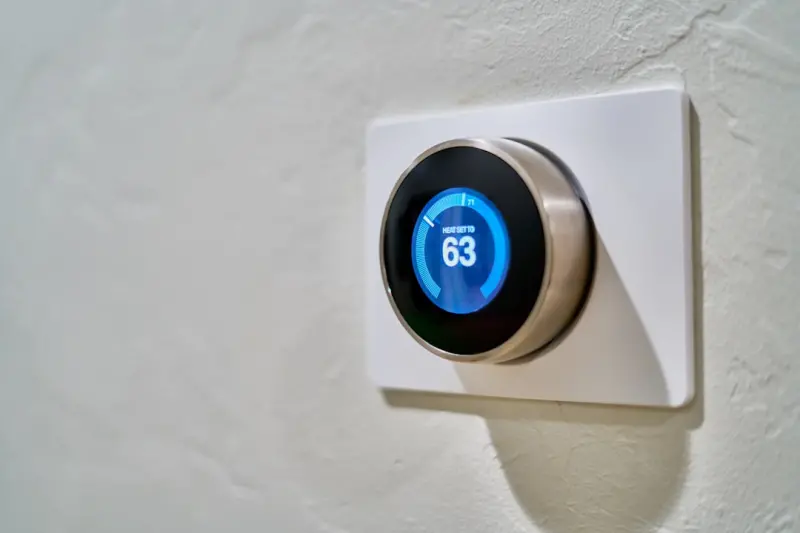
Modern thermostats are more than just knobs; they’re programmable allies that learn your schedule and adjust temperature settings automatically. Start by setting a baseline of 68 °F in winter and 78 °F in summer when you’re home, then drop or raise the temperature by 10–12 °F during sleep or when the house is empty. Most models also offer “eco‑mode” which temporarily reduces heating or cooling while you’re away, saving up to 15 % on energy use. Pair the thermostat with a smartphone app to receive real‑time alerts if temperature spikes unexpectedly, indicating a possible system issue. I’ve programmed my thermostat to lower the heat just before I leave for work, and then kick it back up an hour before I return, ensuring a cozy arrival without wasted energy. The key is consistency—avoid constantly tweaking the settings, as the system needs time to learn your patterns and optimize performance.
Light Smarter: Switch to LEDs and Harness Natural Light
Lighting can account for up to 15 % of a household’s electricity consumption, so swapping out incandescent bulbs for LEDs is a no‑brainer. LEDs use roughly one‑eighth the power and last 25 times longer, meaning you’ll spend less on replacements and energy alike. Pair LED fixtures with dimmer switches to fine‑tune brightness levels; dimming by just 20 % can cut usage dramatically while creating a warm ambiance. Maximize natural daylight by keeping window treatments open during peak sunlight hours, and consider adding a reflective backsplash in the kitchen to bounce light deeper into the room. I’ve also installed motion sensors in hallways and bathrooms; the lights turn off automatically when the space is unoccupied, preventing phantom energy draw. These combined measures not only lower your bill but also improve the overall mood of your home.
Appliance Awareness: Run Machines Efficiently and Reduce Standby Power
Our appliances are silent energy thieves, especially when left on standby. Start by unplugging chargers, gaming consoles, and other electronics when not in use, or use a smart power strip that cuts power after a set period of inactivity. For larger appliances, schedule washing machine and dishwasher cycles during off‑peak hours—many utility companies offer cheaper rates at night. Load dishes and laundry to full capacity to maximize each run’s efficiency; a half‑empty dishwasher wastes both water and electricity. Adjust your refrigerator’s thermostat to 37–40 °F for the fridge and 0 °F for the freezer, and make sure the coils are clean to maintain optimal performance. I’ve placed a small bowl of ice in front of the vent during hot summer days, which helps the unit stay cooler without overworking the compressor.
Embrace Micro‑Renewables: Small‑Scale Solar and Heat Solutions
You don’t need a full‑roof solar array to reap the benefits of renewable energy. Portable solar chargers can power lights, fans, or even a small refrigerator during power outages, reducing reliance on the grid. Consider installing a solar water heater for your bathroom—these systems capture sunlight to preheat water, cutting the energy needed from your boiler by up to 60 %. If you have a sunny spot in the yard, a solar‑powered outdoor lantern adds ambiance while staying off the mains. Even a simple reflective panel placed behind a south‑facing window can increase indoor temperature on winter days, cutting heating demands. I experimented with a DIY solar panel kit to run a garden pump, and the reduction in my water heating bill was evident within weeks.
Track Consumption with Smart Plugs and Energy Dashboards
Understanding where energy goes is half the battle. Smart plugs let you monitor the power draw of individual devices in real time, sending data to an app where you can spot spikes and adjust usage. Pair these plugs with an energy dashboard—many modern routers include built‑in monitoring features—to see a house‑wide overview of consumption patterns. When I first installed a set of smart plugs in my living room, I discovered my TV was drawing power even in standby, prompting me to switch it off completely at night. Regularly reviewing these stats helps you fine‑tune habits, such as turning off the humidifier when humidity reaches comfortable levels or scheduling the coffee maker to brew only when you’re home. For a deeper dive into optimizing digital assets, check out link sculpting secrets—the principle of pruning inefficiencies applies just as well to energy usage.
Make It a Lifestyle: Small Wins That Add Up Over Time
The journey to a low‑cost, high‑efficiency home isn’t about a single overhaul; it’s about embedding mindful habits into daily life. Celebrate each win—whether you’ve reduced your thermostat by a few degrees, swapped an old bulb for an LED, or caught a phantom drain on a smart plug. Over time, these incremental changes compound, delivering noticeable savings on your next bill. Keep a simple log of monthly expenses and note which adjustments correlate with drops in usage; this feedback loop reinforces positive behavior. Remember, the goal isn’t perfection but progress. By treating energy efficiency as a continuous experiment, you stay adaptable, discover new opportunities, and maintain a comfortable home that respects both your budget and the environment. So, grab that weatherstripping, set your thermostat, and start the journey toward smarter, greener living today.

Sanji Patel has dedicated 25 years to the SEO industry. As an expert SEO consultant for news publishers, he emphasizes providing both technical and editorial SEO services to news publishers worldwide. He frequently speaks at conferences and events globally and offers annual guest lectures at local universities.
Related Posts

The Art of Sensory Home Curation: Scent, Light, and Texture for Everyday Calm
Explore practical, low‑cost ways to boost your home’s ambiance through scent, lighting, and text... Read More

Designing a Bedroom Sanctuary: Light, Texture, and Smart Storage for Restful Living
Discover how to turn your bedroom into a calming retreat using layered lighting, natural fabrics, sm... Read More

How to Build a Focus‑Fueling Home Hub Without a Full Renovation
A practical guide to designing a home hub that blends work, wellness, and comfort using lighting, er... Read More
Top Posts

Turning Business Trips into Innovation Labs: A Practical Playbook
Learn how to treat business travel as a portable innovation lab, using intentional goals, micro‑field studies, and a post‑trip sprint to turn everyday obser...Read More

Gamified Journeys: Turning B2B Digital Marketing into Interactive Adventures
Explore a fresh B2B marketing strategy that uses game mechanics—quests, badges, and rewards—to deepen prospect engagement, capture actionable intent signals...Read More

Intent‑Driven Exploration: Using Data to Transform Your Travel Experience
Learn how to use wearables, AI‑generated personas, and personal knowledge graphs to make every trip a measurable, intentional adventure that balances data ins...Read More

Riding the Wave of Google’s Generative Search: A B2B SaaS Playbook
Google’s generative search is redefining how B2B SaaS prospects find solutions. This playbook explains the shift, outlines a three‑pillar content strategy, ...Read More
0 Comments
Post Comment
You will need to Login or Register to comment on this post!