
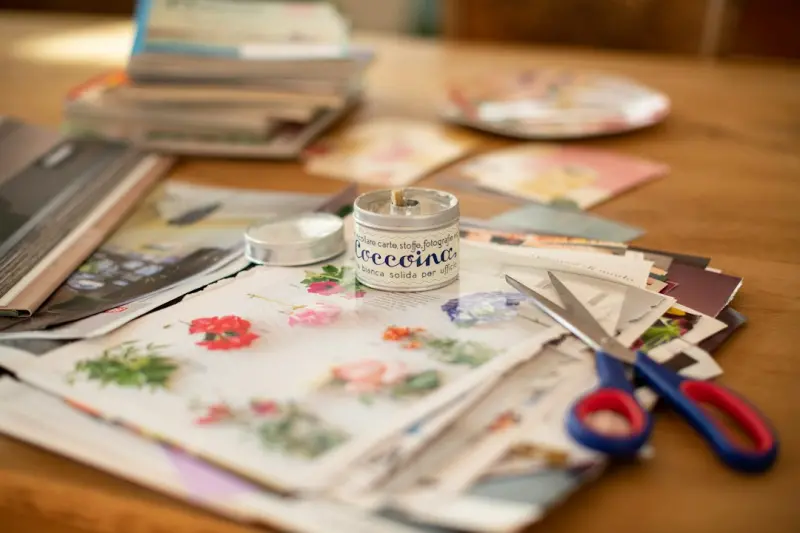
Why Scent Is the Unsung Hero of Home Comfort
When you step through the front door after a long day, what greets you first? Most people think of a clean floor or a tidy sofa, but the first impression is actually invisible—it’s the scent that fills the hallway. Our noses are wired to the limbic system, the brain’s emotional hub, meaning that aromas can instantly transport us to a memory, calm a racing heart, or spark creativity. Yet, in the rush to perfect lighting, furniture layout, and tech integration, many homeowners overlook the power of fragrance. This post explores how to intentionally design olfactory experiences throughout your home so that every room not only looks good, but also feels unforgettable.
Mapping Your Home’s Aroma Zones
Think of your house as a map, and each room as a destination with its own purpose. Just as a city planner zones areas for commerce, residence, and recreation, you can zone your home for specific scents that support each activity. Below is a simple framework to get started:
- Entryway – Welcome Whisper: A light, uplifting scent like citrus or fresh linen signals hospitality.
- Living Room – Social Spark: Warm, inviting aromas such as vanilla or sandalwood encourage conversation.
- Kitchen – Culinary Cue: Subtle herbal notes (rosemary, basil) enhance appetite without overpowering food aromas.
- Home Office – Focus Funnel: Crisp, clean scents (peppermint or eucalyptus) stimulate concentration.
- Bedroom – Rest Retreat: Lavender, chamomile, or soft musk promote relaxation and improve sleep quality.
By assigning a signature scent to each zone, you create a subconscious cue that helps your brain switch gears as you move through the space.
Choosing Between Natural and Synthetic Fragrances
Not all scents are created equal. Natural essential oils provide a pure botanical profile but can be volatile and sometimes cause allergic reactions. Synthetic fragrance oils, on the other hand, offer consistency and a broader palette of notes, yet may contain phthalates or other chemicals you’d rather avoid.
Here are three guidelines to strike the right balance:
- Prioritize safety: Opt for tiny home tweaks like using a diffuser with a timer to limit exposure.
- Match the material: Wood surfaces pair well with woody or amber notes, while fabrics feel cozier with soft, powdery scents.
- Test before committing: Spray a small amount on a cloth and live with it for a day. If it feels intrusive, adjust the intensity or switch to a different oil.
Integrating Scent with Light and Sound
The best sensory experiences are multi‑modal. Light, sound, and scent together can amplify each other’s impact. For instance, a dimmed amber lamp paired with a subtle vanilla aroma creates a cocooning effect, while bright daylight combined with citrus can energize a morning routine.
If you’re already exploring sound‑smart living principles, consider synchronizing your audio playlists with scent diffusion. A playlist of soft piano can be paired with lavender during evening wind‑down, whereas a focused white‑noise track works well with peppermint in a study nook.
DIY Scent Projects for Every Skill Level
Creating personalized aromas doesn’t require a chemistry degree. Below are three projects you can try this weekend:
1. Reed Diffuser Remix
Mix ¼ cup of carrier oil (like fractionated coconut), 10‑15 drops of your chosen essential oil, and a splash of vodka (acts as a preservative). Place rattan reeds, flip them daily, and watch the scent travel up the fibers. This low‑maintenance option works perfectly in hallways and bathrooms.
2. Scented Candle Layering
Start with a plain soy candle, then add a small dish of dried herbs or spices (cinnamon sticks, dried orange peel). As the candle melts, the heat releases the secondary aroma, creating a dynamic fragrance that evolves throughout the evening.
3. Fabric Mist for Textiles
Combine distilled water, a teaspoon of witch hazel, and 8‑12 drops of essential oil in a spray bottle. Lightly mist pillows, throws, or curtains for a burst of freshness that lasts several weeks. This technique is especially useful in the bedroom or guest room.
Maintaining a Fresh Scent Profile
Just as you rotate décor, you should rotate fragrances. Stagnant scents can become cloying and may even breed mold in damp areas. Follow these maintenance tips:
- Seasonal Switch‑Out: Refresh summer zones with citrus or sea‑spray, and transition to spice‑laden aromas in cooler months.
- Ventilate Regularly: Open windows for at least ten minutes daily to prevent scent build‑up.
- Clean Diffusers: Disassemble and rinse glass or ceramic parts weekly to avoid residue that can alter fragrance integrity.
Leveraging Scent for Memory and Storytelling
One of the most magical aspects of fragrance is its ability to act as a memory anchor. Think about the smell of fresh‑baked cookies that instantly takes you back to Grandma’s kitchen. You can harness this by creating “memory jars” – small glass containers filled with a scent that represents a cherished moment (e.g., pine for a family hike, sea‑salt for a beach vacation). Place these jars in visible spots to keep those stories alive.
When you host friends, consider curating a scent narrative: start with a bright, welcoming aroma at the entry, transition to a warm, comforting fragrance during dinner, and finish with a calming scent as guests depart. This subtle guidance can make gatherings feel more cohesive and memorable.
Connecting Fragrance with the Modern Home Office
Productivity isn’t just about ergonomics and Wi‑Fi speed; it’s also about the ambient atmosphere. A focused home office can benefit from scents that sharpen mental clarity without causing distraction. Peppermint, rosemary, and citrus blends have been shown in studies to improve alertness and reduce perceived fatigue.
If you’re already building a home productivity hub, integrate a small, programmable diffuser that releases a quick burst of peppermint for 15 minutes at the start of each work block. Pair this with a standing desk and adjustable lighting for a truly holistic environment.
Choosing Sustainable Fragrance Sources
Eco‑conscious homeowners should consider the lifecycle of their scents. Look for essential oils certified by the Roundtable on Sustainable Palm Oil (RSPO) or companies that practice fair‑trade harvesting. When buying pre‑made candles, choose soy or beeswax bases, as they burn cleaner and emit fewer pollutants than paraffin.
Recycling containers also plays a role. Glass diffusers can be repurposed as vases or storage jars once the scent runs out, reducing waste and adding a decorative element to your interior design.
Future‑Proofing Your Scent Strategy
Technology is beginning to intersect with fragrance in exciting ways. Smart diffusers now connect to voice assistants, allowing you to schedule scent changes via simple commands. Some platforms even let you sync scent releases with your smart lighting scenes, creating a fully immersive mood shift at the tap of a button.
While these gadgets are still emerging, they illustrate a broader trend: the home is becoming a sensory ecosystem. By establishing a thoughtful scent foundation now, you’ll be ready to integrate these innovations seamlessly when they become mainstream.
Final Thoughts: Making Your Home a Living Memory
In the grand tapestry of interior design, scent is the thread that ties visual and tactile elements together, weaving an emotional narrative that endures long after the paint dries or the furniture is replaced. By mapping aroma zones, choosing safe ingredients, pairing fragrance with light and sound, and keeping the experience fresh, you transform ordinary rooms into living memory vaults. Your home will not only look beautiful—it will feel alive, inviting you and your guests to linger, reminisce, and return again and again.

Margaret Thomson is a seasoned freelance writer specializing in the dynamic worlds of marketing and advertising. With a career deeply rooted in the marketing field, Margaret brings a wealth of practical experience and insightful knowledge to her writing.
Related Posts

Unlocking Hidden Comfort: Unexpected Home Hacks for Modern Living
Explore innovative home tips that blend functionality with style, from layered lighting and eco‑fr... Read More

Turn Your Home Into an Energy‑Smart Hub Without Breaking the Bank
A practical guide that blends habit changes, budget‑friendly smart devices, and simple audits to t... Read More
Seasonal Décor Swaps: Freshening Your Home with Nature’s Rhythm
Learn how to breathe new life into every room by swapping décor with the seasons, using natural ele... Read More
Top Posts

Orchestrating Account‑Based Experiences: The New Playbook for SaaS Marketers
Learn how to transform traditional account‑based marketing into a real‑time, experience‑centric orchestration model that leverages zero‑party data, mult...Read More

Why Audio-First Strategies Are Redefining B2B SaaS Digital Marketing
Discover why audio content—podcasts, voice‑search optimization, and audio ads—are becoming essential for B2B SaaS marketers, and learn actionable steps to...Read More

Riding Google’s AI Wave: A Human‑First Marketer’s Journey
A seasoned marketer shares how blending AI tools with authentic storytelling creates a resilient, human‑first strategy that thrives on Google’s evolving alg...Read More

Immersive Interactivity: The Next Leap for B2B SaaS Marketing
This post reveals why immersive interactive experiences—like AR demos, choose‑your‑own‑adventure videos, and gamified ads—are essential for modern B2B...Read More
0 Comments
Post Comment
You will need to Login or Register to comment on this post!