
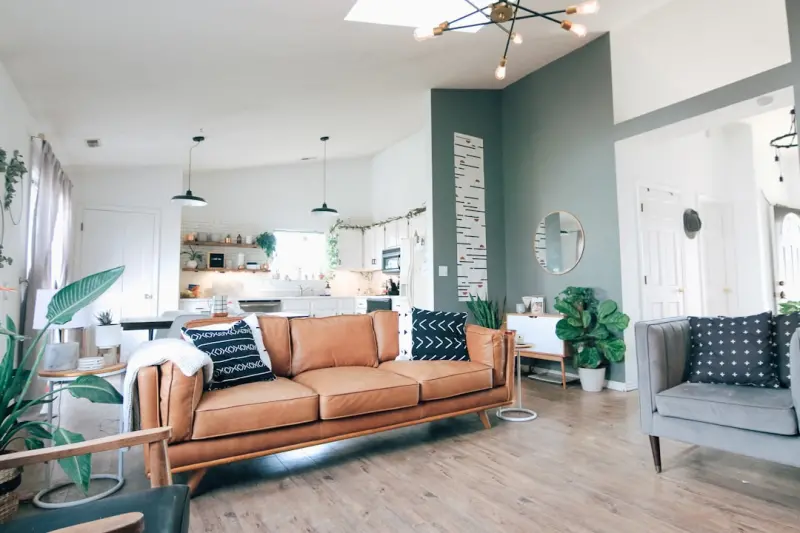
When I first stepped into my cramped city loft, the sensation was less about the limited square footage and more about the overwhelming feeling that every surface was silently pleading for a second chance to serve a purpose beyond its default function, prompting me to question why I’d accepted the status quo of cluttered countertops and under‑utilized corners. The concrete walls, narrow hallway, and dusty bookshelf all seemed to whisper stories of untapped potential, urging me to reimagine each nook as a canvas for clever design rather than a mere afterthought, and that mindset shift became the catalyst for every subsequent improvement I’d make. In this guide I’ll share the handful of tactics that have let me transform the mundane into the memorable, all while keeping the budget friendly and the vibe unmistakably personal, because a home truly feels luxurious only when it works for you, not the other way around.
Strategic Decluttering: The Art of Intentional Curation
Rather than attacking clutter with a brute‑force purge, I approach each item with the question, “Does this piece earn its spot by solving a problem or sparking joy?”—a subtle nod to mindful consumption that prevents the rebound effect of impulsive buying, and it allows me to keep only the objects that contribute to daily flow or emotional resonance. I employ a three‑zone system: a “keep‑for‑now” tray for seasonal essentials, a “donate‑or‑sell” pile for items that have outlived their usefulness, and a “store‑away” bin for rarely used tools that still deserve a place out of sight; this structure creates visual calm while preserving flexibility for future needs. By the end of a focused weekend, my living area feels lighter, and I’ve uncovered hidden storage opportunities such as the space behind the pantry door, which now houses a sleek magnetic spice rack that doubles as a decorative feature.
Multipurpose Furniture: Double Duty Without Compromise
One of the most rewarding revelations in my home‑improvement journey was discovering that a single piece of furniture can effortlessly wear multiple hats, eliminating the need for separate items that consume valuable floor space and budget. I opted for a compact sofa with a built‑in pull‑out desk, allowing the living room to double as a functional workspace during the day and a cozy lounge area by night, while the discreet storage compartment beneath the seat tucks away office supplies and remote controls out of sight. Another favorite is a coffee table that folds into a height‑adjustable console, perfect for serving breakfast or staging a quick art display, and the simple act of repurposing these pieces instantly injects a sense of intentionality into the room’s aesthetic without sacrificing comfort.
Vertical Real Estate: Turning Walls Into Assets
When floor space is at a premium, the walls become the most underutilized asset, and I’ve learned to treat them as vertical shelves capable of holding both practical and decorative elements, thereby freeing up precious square inches for movement. Installing floating shelves at varying heights creates a staggered gallery for books, plants, and curated knick‑knacks, while a set of slim, floor‑to‑ceiling cabinets on the far side of the kitchen houses pantry staples, reducing the need for bulky freestanding units; the result is a sleek, streamlined silhouette that also encourages a habit of returning items to their designated home. I also incorporated a hanging rack made from reclaimed wood in the entryway, which holds jackets, hats, and even a small basket for keys, turning the ordinary act of grabbing a coat into a moment of visual delight and functional order.
Seasonal Maintenance Checklist: Proactive Care Saves Time and Money
To keep my home operating smoothly throughout the year, I created a seasonal maintenance checklist that aligns with natural weather patterns, ensuring that tasks are addressed before they become costly emergencies, and the habit of quarterly reviews has become a ritual that feels more like a self‑care routine for the house. In spring, I seal window frames, clean out dryer vents, and inspect roof flashing for potential leaks, while in summer I focus on HVAC efficiency, calibrating thermostat settings and swapping out filters to maintain optimal airflow; fall brings gutter clearing and furnace testing, and winter rounds out the cycle with pipe insulation and carbon monoxide detector checks. This systematic approach not only prolongs the life of major systems but also frees up mental bandwidth for creative projects, and I often pair the checklist with a simple spreadsheet that tracks completion dates, turning maintenance into a tangible, satisfying accomplishment.
Harnessing Natural Light: Brightening Spaces Without a Watt
Natural light has the uncanny ability to make a modest room feel expansive, and I’ve experimented with a few low‑cost tricks that maximize sunlight without resorting to expensive window replacements or heavy‑duty skylights. I began by swapping out heavy, dark curtains for sheer linen panels that diffuse glare while preserving privacy, and I added strategically placed mirrors opposite the main windows to reflect light deeper into the room, effectively multiplying the sun’s reach; a simple full‑length mirror on the hallway wall can transform a narrow passage into a bright corridor. Additionally, I painted the ceiling a soft, warm white, which acts like a subtle reflector, and I trimmed overgrown foliage outside the panes, allowing unobstructed rays to pour in during the day, creating a naturally uplifting environment that reduces reliance on artificial lighting.
DIY Scent and Ambiance: Crafting a Signature Atmosphere
Beyond visual aesthetics, the olfactory and auditory dimensions of a home play a crucial role in shaping mood, and I’ve embraced a handful of DIY projects that infuse personality into everyday spaces without breaking the bank. I crafted a set of reusable essential‑oil diffusers using reclaimed glass jars, each labeled with a distinct blend—citrus for the kitchen, lavender for the bedroom, and sandalwood for the living area—allowing me to shift the aromatic tone as the day progresses; the subtle scent cues cue my brain into transition modes, from productivity to relaxation. For ambient sound, I installed a small Bluetooth speaker behind a decorative wall panel, enabling a gentle playlist of nature sounds or lo‑fi beats that fill the room without the visual clutter of visible tech, and the combination of scent and sound creates a multisensory sanctuary that feels uniquely mine.
Subtle Smart Tech: Enhancing Comfort Without Overload
While many homeowners dive headfirst into full‑blown smart home ecosystems, I prefer a minimalist approach that integrates technology only where it truly adds convenience, a philosophy that keeps the space feeling warm rather than sterile; for instance, I installed a programmable thermostat that learns my daily schedule and adjusts temperature settings accordingly, reducing the need for manual tweaks and quietly shaving off energy waste. I also added a motion‑activated nightlight in the hallway, which illuminates the path only when needed, eliminating the harsh glare of always‑on bulbs and fostering a sense of safety for late‑night trips to the bathroom. These subtle upgrades blend seamlessly into the décor, delivering modern comfort without overwhelming the senses, and they can be implemented incrementally as budget and confidence grow.
Mindful Home Evolution: Treating Your Space as a Living Project
The most satisfying part of my home‑improvement journey is recognizing that a house is not a static product but an evolving organism that reflects the changing needs, habits, and aspirations of its inhabitants, and by adopting a mindset of continuous, incremental refinement, I avoid the pressure of massive overhauls that often lead to buyer’s remorse. I regularly revisit each room with a fresh set of eyes, asking myself what new function could be introduced or which existing element could be simplified, and I document successes and lessons in a simple journal that doubles as a source of inspiration for future tweaks; this habit keeps momentum alive and turns everyday chores into creative problem‑solving sessions. Ultimately, the goal is to craft a sanctuary that feels both intentional and lived‑in, a place where every object has a purpose, every corner invites calm, and the overall atmosphere whispers, “You belong here.”

Robert Mathews is a professional content marketer and freelancer for many SEO agencies. In his spare time he likes to play video games, get outdoors and enjoy time with his family and friends .
Related Posts
Breathe Easier: Simple Home Hacks for Cleaner Air
This post offers practical, DIY-friendly strategies to improve indoor air quality, from ventilation ... Read More

30-Day Home Reset: A Fresh Start for Every Room
A 30‑day home reset offers a step‑by‑step plan to declutter, reorganize, and build lasting hab... Read More
Transform Your Home Into a Calm, Efficient Haven Without Breaking the Bank
Learn practical, low‑cost home improvements—from acoustic panels to natural scents—that elevat... Read More
Top Posts

Zero‑Party Data: The Trust‑First Engine Powering the Next Wave of Digital Marketing
Learn why zero‑party data is the future of digital marketing, how to collect it ethically, and the tech and metrics that turn trust into measurable growth....Read More

SEO Strategies for API‑First SaaS Platforms
Discover a fresh SEO playbook tailored for API‑first SaaS, covering intent mapping, micro‑page creation, structured data, internationalization, and AI‑rea...Read More

Harnessing Google’s Generative AI Suite to Supercharge SaaS Product Development
Google’s generative AI tools—Vertex AI, Gemini, and robust security frameworks—offer SaaS companies a fast, cost‑effective way to embed intelligence, la...Read More
Zero-Click SERP Optimization: Capture Value Without Clicks
Learn how to win zero‑click SERPs by crafting concise answers, leveraging schema, and measuring success beyond traditional clicks. Turn featured snippets into...Read More
0 Comments
Post Comment
You will need to Login or Register to comment on this post!