
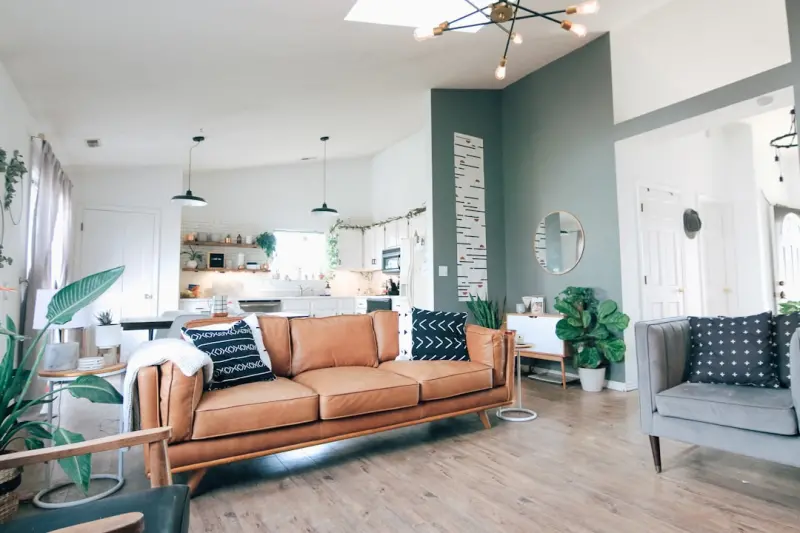
Welcome to Your New Home Hub
When I first moved into my modest two‑bedroom apartment, the space felt more like a storage unit than a sanctuary. As a product manager who spends countless hours toggling between Zoom calls, code reviews, and brainstorming sessions, I quickly realized that my home was the silent partner in every success—or failure—of my workday. The good news? You don’t need a complete remodel or a hefty budget to transform your living space into a productivity powerhouse. Below, I’ll walk you through the practical, low‑cost tweaks that have turned my home into a place where focus flourishes, energy stays high, and stress takes a back seat.
1. Map Your Zones: Intentional Layout Over Random Placement
Every home, regardless of square footage, can be divided into functional zones: focus, movement, and recharge. The trick isn’t to create separate rooms for each—unless you’re lucky enough to have that luxury—but to assign corners or specific pieces of furniture to each purpose.
- Focus Corner: Choose a spot with minimal foot traffic and natural light. A small desk, an ergonomic chair, and a single lamp are all you need. Keep this area clutter‑free; a clear surface signals a clear mind.
- Movement Spot: A 5‑foot stretch of floor or a yoga mat near a window works wonders. This is where you’ll do quick micro‑breaks, bodyweight exercises, or even a brief meditation.
- Recharge Nook: Think of a comfy armchair with a soft blanket and a low‑light lamp—perfect for reading, journaling, or simply breathing.
Mapping zones forces you to be intentional about how you use each part of your home, reducing the mental clutter that comes from wandering aimlessly from the kitchen to the couch every hour.
2. Light the Way: Harness Natural and Artificial Light
Light is a silent productivity booster. Sunlight regulates your circadian rhythm, while artificial light can either energize or drain you depending on its hue and intensity.
Natural Light Hacks
- Strategic Mirror Placement: Position a mirror opposite a window to bounce light deeper into the room.
- Sheer Curtains: Replace heavy drapes with sheer options to let diffused light in while maintaining privacy.
- Morning Ritual: Open the blinds as soon as you rise. The burst of daylight signals your brain that it’s time to be alert.
Artificial Light Tricks
- Warm vs. Cool: Use cool white (5000‑6500K) LEDs during work hours to promote alertness. Switch to warm white (2700‑3000K) in the evening to cue relaxation.
- Task Lighting: A focused desk lamp reduces eye strain and signals a dedicated work zone.
- Smart Bulbs: If you have a smart home hub, schedule lighting changes that mimic sunrise and sunset. This automates the rhythm without any extra effort.
3. Air Quality: The Invisible Productivity Lever
Most of us focus on visual ergonomics—chair height, monitor distance—while ignoring the air we breathe. Stale air can cause fatigue, headaches, and decreased concentration.
- Plants as Air Filters: Snake plants, pothos, and spider plants are low‑maintenance and excel at removing toxins.
- Ventilation Routine: Open windows for at least 10 minutes twice a day to exchange indoor air with fresh outdoor air.
- DIY Air Purifier: A simple box fan fitted with a high‑efficiency filter (the “Corsi‑Rosenthal” box) can dramatically improve indoor air quality for under $30.
4. Soundscapes: Controlling Auditory Distractions
Whether you live in a bustling city or a quiet suburb, sound can either be a focus enhancer or a productivity killer.
- White Noise Machines: Devices that emit gentle static, rain, or forest sounds mask unpredictable noises.
- Noise‑Cancelling Headphones: Invest in a decent pair; they’re a game‑changer during deep‑work blocks.
- Acoustic Panels: Simple fabric‑covered foam panels mounted on walls absorb echo, making video calls sound clearer.
5. The Power of Micro‑Movement
Staying seated for hours is a recipe for reduced blood flow, eye strain, and mental fatigue. Incorporating micro‑movements keeps the body energized and the mind sharp.
One of my favorite strategies is the 2‑minute rule: every time I feel the urge to check a notification, I stand up, stretch, or do a quick set of bodyweight squats. This tiny habit interrupts the monotony and boosts circulation.
For a deeper dive into integrating movement, nutrition, and mindset into a high‑tech lifestyle, check out this screen fatigue survival guide. While the original article targets SaaS professionals, the principles translate seamlessly to anyone working from home.
6. Hydration and Snack Smartness
Water is the unsung hero of cognitive performance. Dehydration can reduce attention span by up to 20%. Keep a reusable bottle on your desk and set a timer if you tend to forget.
When it comes to snacking, opt for foods that provide steady energy without the crash. Think nuts, Greek yogurt, or sliced apple with almond butter. Avoid sugary granola bars that lead to a spike‑and‑crash cycle.
7. Declutter with Purpose: The “One‑In, One‑Out” Rule
Clutter isn’t just visual; it’s mental. Every object you see competes for attention. Implement the “one‑in, one‑out” rule: for every new item you bring home, donate or discard an existing one. Over time, this creates a sustainable balance that prevents accumulation.
8. Tech Hygiene: Managing Digital Clutter
Just as you’d tidy a physical workspace, your digital environment needs regular maintenance.
- Desktop Icons: Keep only the essentials on your main screen. Use folders or a dock for the rest.
- Browser Tabs: Limit open tabs to a maximum of five. Use a reading list or “later” app for items you want to revisit.
- Notifications: Turn off non‑essential push alerts. A quiet digital environment mirrors the calm of a tidy physical space.
9. Evening Wind‑Down: Preparing for Restful Sleep
Our productivity at home doesn’t end when the laptop closes. Quality sleep is the foundation that lets you function at peak performance the next day. Here’s a simple nightly ritual:
- Screen Curfew: Power down all screens at least 30 minutes before bed. If you need a device, switch to “night mode” with reduced blue light.
- Dim the Lights: Use a low‑intensity lamp or a smart bulb set to a warm hue to signal melatonin production.
- Journaling: Write down three wins from the day and any lingering thoughts. This clears mental space.
- Relaxation Cue: Play soft instrumental music or a guided meditation.
If you’re looking for evidence‑based techniques, the sleep optimization strategies article provides a thorough look at how sleep quality directly impacts professional output. Apply those insights at home, and you’ll notice sharper focus and less reliance on caffeine.
10. Smart Home Tweaks That Pay Off
You don’t need a fully automated house to reap the benefits of smart tech. A few inexpensive gadgets can streamline daily routines:
- Smart Plug: Schedule your coffee maker to start brewing at your preferred wake‑up time.
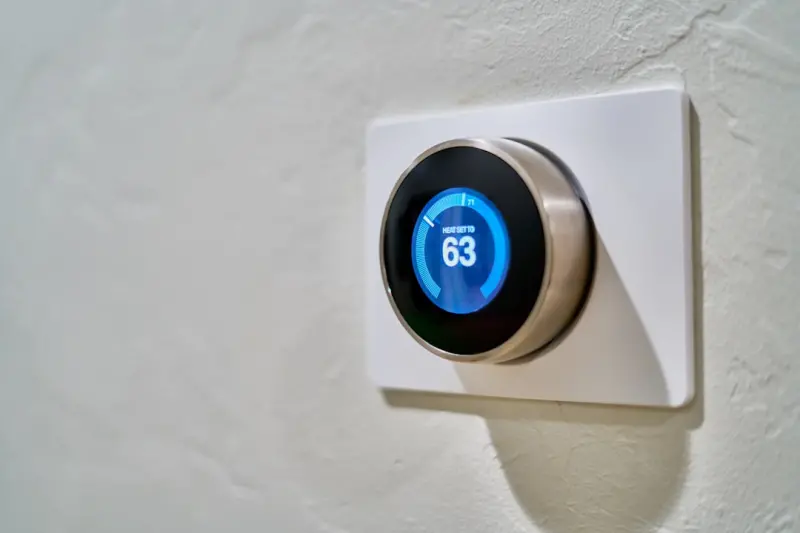
- Programmable Thermostat: Set temperatures lower at night and higher during work hours to save energy and stay comfortable.
- Voice‑Activated Assistant: Use simple voice commands to set timers, play focus playlists, or check the weather without breaking concentration.
11. Personalize with Meaningful Touches
Functionality is crucial, but so is emotional connection. Adding personal elements—photos, a favorite piece of art, or a scented candle—creates a sense of belonging that fuels motivation.
However, keep these items purposeful. A photo of your hiking trip can serve as a visual reminder of why you work hard, while a scented candle with lavender can signal the transition to relaxation mode.
12. Review and Iterate: The Home Improvement Sprint
Just as we run product sprints, treat your home optimization as an ongoing experiment. Every two weeks, spend 15 minutes reflecting on what’s working and what isn’t. Ask yourself:
- Did the focus corner reduce distractions?
- Is my lighting schedule aligned with energy peaks?
- Are the micro‑movement breaks preventing fatigue?
Document the answers, make small adjustments, and repeat. This iterative approach ensures your home evolves with your changing needs.
Conclusion: Your Home, Your Competitive Edge
In a world where remote work blurs the line between office and living room, your home can become your most valuable productivity asset. By thoughtfully arranging zones, optimizing light and air, managing sound, and integrating simple tech tools, you create an environment that supports focus, health, and well‑being.
Remember, the goal isn’t to turn your home into a sterile workstation but to craft a space that feels both comfortable and energizing. Start with one change today—a new lamp, a stretch routine, or a plant on your desk—and watch how the ripple effects transform your daily flow.

Sanji Patel has dedicated 25 years to the SEO industry. As an expert SEO consultant for news publishers, he emphasizes providing both technical and editorial SEO services to news publishers worldwide. He frequently speaks at conferences and events globally and offers annual guest lectures at local universities.
Related Posts
Designing a Sensory Sanctuary: How Sound, Light, and Aroma Transform Your Living Space
A step‑by‑step guide to turning any living space into a sensory sanctuary, blending soundscapes,... Read More
Smart Home Energy Hacks: Simple Steps to Slash Your Bills
Learn practical energy‑saving tricks for every room, from DIY insulation to smart appliance use, t... Read More

Seasonal Home Refresh: Simple Swaps for a Fresh Look
Give your home a new lease on life each season with quick, affordable swaps—from fresh textiles an... Read More
Top Posts

The Nomadic Executive: Crafting High‑Performance Travel in a Hyper‑Connected World
Travel for senior leaders is an extension of the office, not a break. This article shares a strategic framework for turning business trips into high‑performan...Read More

Riding the 2026 Google AI Wave: An Insider’s Playbook for Marketers
Explore Rose DesRochers’ insider guide to thriving in Google’s 2026 AI era—multimodal content, predictive ads, and privacy‑centric SEO tactics that boos...Read More

AI as a Compass for Ethical Business Decisions
Discover how integrating ethical AI into business strategy can boost trust, protect privacy, and drive sustainable growth, turning responsible tech into a compe...Read More

Let the Sun In: Crafting Light‑Rich Spaces for Wellness and Productivity
A step‑by‑step guide to using natural light as a wellness tool, covering morning rituals, room‑specific lighting tweaks, and budget‑friendly tech to cre...Read More
0 Comments
Post Comment
You will need to Login or Register to comment on this post!