

Why Rotating Your Home Décor Is the Secret Sauce to Year‑Round Freshness
There’s a quiet magic that happens when you swap out a cushion, shift a rug, or bring a new piece of art into a room. Suddenly, the space feels new, inviting, and perfectly in tune with the season outside. I’ve been experimenting with this “rotating décor” habit for years, and I can’t recommend it enough. It’s not just about aesthetics; it’s a mindful practice that boosts mood, reduces clutter, and even saves money.
The Psychology Behind Changing Your Space
Our brains are wired to respond to novelty. A fresh visual stimulus can trigger dopamine, the same neurotransmitter that lights up when we accomplish a goal or enjoy a favorite song. When you refresh a room, you’re essentially giving your mind a little celebration. It’s a low‑effort way to lift your spirits without buying a whole new furniture set.
In my own home, I’ve noticed that a simple swap—like replacing heavy winter blankets with light, airy throws—creates a tangible shift in energy. The change is subtle enough that it feels familiar, yet different enough to spark a sense of excitement.
How to Build a Seasonal Décor Rotation System
Creating a systematic approach prevents the process from feeling chaotic. Here’s my step‑by‑step method that you can adapt to any lifestyle:
- Take Inventory: Walk through each room and list the items that are truly seasonal (e.g., holiday ornaments, summer‑bright pillows, cozy throws).
- Define Storage Zones: Designate a closet, under‑bed bins, or even a stylish wicker basket for each season’s collection. Label them clearly.
- Set a Calendar Reminder: I use a gentle push notification on my phone to remind me at the start of each season. A quick 30‑minute session is all it takes.
- Curate a Core Palette: Pick 2–3 base colors that work year‑round (think soft neutrals). Then layer seasonal accents around that core to maintain cohesion.
- Test and Tweak: After each rotation, spend a few days observing how the space feels. Adjust the pieces if something feels out of place.
Choosing the Right Pieces for Each Season
Here’s a quick cheat‑sheet of décor categories that transition beautifully:
- Textiles: Swap heavy wool blankets for linen throws in spring, and vice versa in autumn.
- Cushions: Rotate colors—muted pastels for summer, deep jewel tones for winter.
- Wall Art: Use interchangeable frames or canvas prints that feature seasonal motifs (florals, foliage, abstract cool tones).
- Plants: Rotate between blooming indoor plants for spring and succulents for winter’s low‑light months.
- Scent: Swap scented candles—citrus for summer, cinnamon for fall.
Budget‑Friendly Tips: Upcycling and DIY
Don’t feel pressured to splurge on new décor every few months. Upcycling is a game‑changer. I once turned an old wooden ladder into a vertical bookshelf for my living room. After a quick sand‑and‑stain, it became a focal point that could hold seasonal books and decorative objects.
Another favorite is repurposing fabric scraps into decorative pom‑poms or tassels for curtain tie‑backs. The tiny physical hacks that improve health can double as creative décor ideas—think hand‑woven wall hangings that also double as visual eye‑training pieces.
Integrating Smart Home Tech Without Overwhelming the Aesthetic
If you love a bit of tech, you can incorporate subtle smart devices that enhance the seasonal vibe. Smart bulbs that shift temperature tones to mimic sunrise in summer or warm amber in winter can be programmed alongside your décor changes. This synergy creates an immersive environment without compromising the look.
For those who are curious about the next‑level of home‑tech integration, exploring concepts like human‑AI partnerships can inspire how you use data‑driven lighting or climate control to complement your décor swaps.
Seasonal Rotation in Small Spaces
Living in a studio or tiny apartment? Rotating décor can actually make a small footprint feel larger. By keeping the visual weight light during spring and summer—using airy curtains and minimal accessories—you open up the space. In winter, add layers of texture (like a plush rug) that make the room feel cozy without cluttering it.
Vertical storage becomes your best friend. Install slim, floating shelves that can hold seasonal décor items. When it’s time to switch, simply slide the items off and replace them—no need to move bulky furniture.
Maintaining a Clutter‑Free Home While Rotating
One common pitfall is letting the “seasonal stash” become a black hole for unused items. To avoid this, adopt a one‑in, one‑out rule: for every new piece you bring in, donate or discard an old one. This keeps the overall volume constant and encourages thoughtful curation.
Regularly audit your storage zones. If an item has sat untouched for two seasons, ask yourself if it truly belongs. If not, consider gifting it—perhaps to a friend who appreciates your taste.
Case Study: My Living Room Transformation Over Four Seasons
At the start of spring, I cleared out the heavy wool throw that had dominated my couch for months. I replaced it with a light, pastel‑blue linen cover, added a set of hand‑painted ceramic vases in soft teal, and swapped the dark‑wood coffee table for a sleek glass one that let the new floor‑to‑ceiling windows shine.
Come summer, the linen cover became a breezy, ivory throw, the vases were swapped for a collection of small succulents, and a large, sun‑kissed canvas art piece took the place of the winter’s darker abstract painting.
When autumn rolled in, I introduced a warm, mustard‑colored rug, added a handful of pumpkin‑shaped decorative bowls, and switched the glass coffee table for a reclaimed wood version that added an earthy texture.
Finally, winter brought a plush, charcoal‑gray blanket, a set of scented candles with cedar and pine notes, and a deep‑blue tapestry that added a comforting backdrop for movie nights.
The result? Each season felt distinct, yet my living room remained cohesive. Guests often commented on how “fresh” the space always felt, not realizing it was the same furniture with thoughtful seasonal touches.
Connecting Décor Rotation to Sustainability
Beyond aesthetics, rotating décor supports a more sustainable lifestyle. By maximizing the use of existing items, you reduce the impulse to purchase new products each season. This practice aligns with the broader “reduce‑reuse‑recycle” ethos and cuts down on waste.
Moreover, when you source items responsibly—like buying from local artisans or choosing recycled materials—you further lower your environmental footprint. It’s a small but meaningful step toward a greener home.
Final Thoughts: Make It a Ritual, Not a Chore
The key to success with seasonal décor rotation is treating it as a ritual—a moment of self‑care and creativity—rather than a tedious task. Play your favorite music, sip a warm beverage, and enjoy the process of curating your living space.
When you start to see the transformative power of a simple cushion swap or a new scent, you’ll understand why this habit sticks. Your home becomes a living canvas, reflecting your evolving tastes and the rhythm of the year.
So, set a reminder, grab a box, and let the seasonal magic begin. Your home (and your mood) will thank you.

In the world of freelance writing, where creativity and adaptability are paramount, Michelle Fisher stands out as a dedicated and versatile professional. With a passion for crafting compelling narratives and a keen eye for detail, Michelle has established herself as a trusted voice.
Related Posts

Turn Everyday Chores Into Mood‑Boosting Rituals
Learn simple, mindful twists to routine chores—cleaning, laundry, decluttering—that turn tasks i... Read More

Smart Home Hacks for the Busy Professional
A comprehensive guide to transforming your living space into a productivity‑friendly sanctuary, fe... Read More
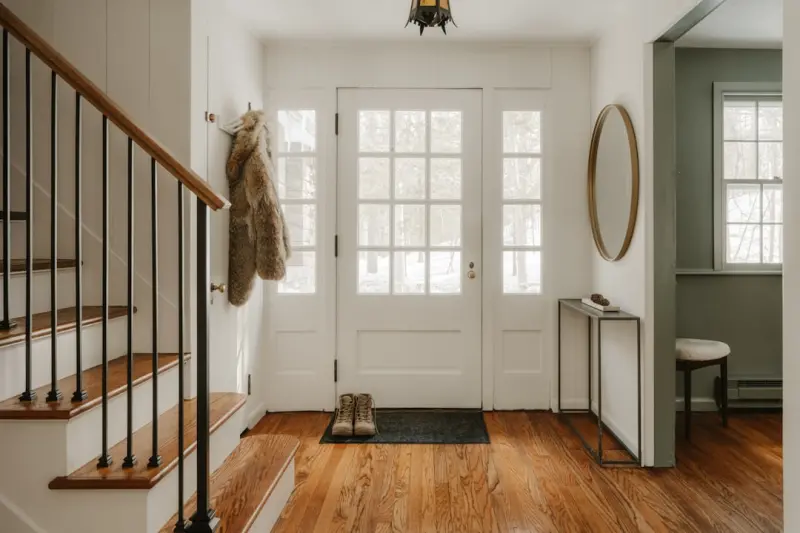
The Ultimate Entryway Makeover: Turn Your Front Door Into a Functional Hub
A cluttered entryway drains energy; a well‑designed one boosts mood and efficiency. Learn how to d... Read More
Top Posts

Unlocking Peak Performance: How Your Body Clock Can Transform Workplace Health
Discover why respecting your chronotype—whether you’re an early bird or night owl—can boost focus, reduce stress, and enhance overall health, with practic...Read More

Reclaiming Your Digital Self: An AI‑Powered Blueprint for Personal Data Ethics
Discover an AI‑driven strategy to audit, protect, and own your digital footprint, turning privacy into a powerful personal asset....Read More

Prompt Engineering: The New Competitive Moat for B2B SaaS
Prompt engineering is emerging as a strategic capability for SaaS firms, turning modest AI models into powerful tools that drive faster product development, sma...Read More

Micro‑Video Mastery: 15‑Second Clips Fuel B2B SaaS Leads
Micro‑videos are redefining B2B SaaS marketing. This guide explains why 15‑second clips work, how to produce them on a budget, integrate them into your funn...Read More
0 Comments
Post Comment
You will need to Login or Register to comment on this post!