

Why Tiny Movement Bursts Are the Secret Weapon for Remote‑Work Well‑Being
When the line between “office” and “living room” blurs, the temptation to sit for hours on end becomes almost inevitable. I’ve spent countless Zoom calls staring at a screen while the world outside my window silently slides by. Yet, what most of us overlook is that our bodies are wired for motion—not for marathon sitting sessions.
In the past few years I’ve experimented with dozens of wellness hacks: everything from meditation apps to “digital sunset” timers. While each offered a momentary lift, the real, sustainable boost came from a simple habit I call Micro‑Movement Bursts. These are intentional, short‑duration physical actions—standing, stretching, or a quick walk—that last anywhere from 30 seconds to two minutes. The cumulative effect is astonishing, especially for knowledge‑workers whose primary tool is the brain.
The Science Behind the Tiny Breaks
Research from occupational health specialists shows that sitting for more than 30 minutes continuously can impair glucose metabolism, increase blood pressure, and elevate stress hormones. On the flip side, even a brief 60‑second stand‑up or a few calf raises can spike blood flow, release endorphins, and reset the nervous system.
What’s fascinating is the neuro‑muscular synergy that occurs when we interrupt static postures. A quick stretch sends proprioceptive signals to the brain, reminding it that we’re alive and capable of change. This signal cascade reduces the feeling of “cognitive fatigue” that many remote employees describe after long stretches of screen time.
Designing a Micro‑Movement Routine That Sticks
Creating a habit that survives the chaos of daily deadlines requires a few strategic steps:
- Identify natural anchors. Pair movement with existing triggers—e.g., stand up after each completed email thread, or do a shoulder roll when you receive a new Slack notification.
- Keep it visible. Place a small reminder (a sticky note or a phone widget) at eye level to nudge you. The visual cue turns a vague intention into a concrete prompt.
- Start minuscule. Begin with 30‑second bursts. The brain resists large, intimidating tasks but embraces tiny, doable actions.
- Mix variety. Rotate between standing, neck circles, ankle pumps, and brief hallway walks. Variety prevents boredom and engages different muscle groups.
- Track progress. Use a simple spreadsheet or a habit‑tracking app to log each burst. Seeing a streak grow fuels motivation.
Micro‑Movement Ideas for the Desk‑Bound Professional
Below is a menu of movement mini‑exercises you can perform without leaving your workstation:
- Desk Push‑Ups. Place hands on the desk, step back, and perform a set of 5–10 incline push‑ups.
- Seated Spinal Twist. Sit upright, place your right hand on the left knee, and gently rotate your torso. Hold for 10 seconds, then switch sides.
- Heel‑to‑Toe Rock. While seated, lift your heels, then your toes, alternating for 30 seconds to stimulate circulation.
- Standing Calf Raises. Stand behind your chair, rise onto tiptoes, lower slowly. Repeat 10–15 times.
- Eye Palming. Close eyes, cover them with palms, and breathe deeply for 30 seconds. This reduces eye strain and offers a mental reset.
Integrating Movement With Technology (Without Over‑Automation)
Ironically, while we often blame tech for sedentary habits, it can also serve as a gentle steward of our well‑being. Consider leveraging calendar integrations that automatically block a two‑minute “movement slot” after each hour of scheduled meetings. Or use a smartwatch that vibrates subtly to remind you to stand—just be careful not to let the device become another source of notification overload.
For those who love data, you might track your micro‑movement frequency alongside productivity metrics. Over time you may discover a correlation between higher movement counts and improved focus during deep‑work periods.
Why Micro‑Movement Beats Traditional “Exercise Breaks”
Many organizations promote the concept of “15‑minute exercise breaks” during the day. While beneficial, these longer sessions can be hard to schedule consistently, especially when deadlines loom. Micro‑movements, on the other hand, require almost no planning, can be done in any space, and don’t feel like a disruption.
Moreover, these short bursts align with the body’s natural micro‑rhythms. Just as the heart beats in a continuous rhythm, our muscles and nervous system thrive on frequent, brief activations. The result is a steadier energy level, fewer “mid‑afternoon crashes,” and a reduced risk of chronic musculoskeletal issues.
Beyond the Body: Cognitive Benefits of Tiny Motion
Movement isn’t just a physical prescription; it’s a cognitive catalyst. A brief walk around the office (or hallway) can stimulate creative incubation. The change of scenery, combined with increased blood flow to the prefrontal cortex, encourages divergent thinking—a boon for problem‑solving sessions.
In my own experience, I’ve noticed that after a series of micro‑movement bursts, my brainstorming notes become more vivid, and my ability to retain information during virtual workshops improves. This aligns with neuroscience findings that suggest physical activity—no matter how brief—enhances neuroplasticity and memory consolidation.
Creating a Movement‑Friendly Workspace
Even without a dedicated gym, you can subtly redesign your home office to invite movement:
- Standing Desk Options. If a full‑time standing desk feels overwhelming, consider a convertible surface that lets you switch between sitting and standing with ease.
- Floor Space. Keep a clear 2‑foot radius around your desk for quick stretches or a short march.
- Ergonomic Accessories. Use a footrest that encourages ankle pumps and a monitor height that promotes an open chest posture, reducing the need for corrective stretches later.
If you’re looking for more inspiration on optimizing your environment for health, check out Brightening Your Home: Light, Air, and Simple Hacks for a Healthier Space. While the focus there is on light and air quality, many of the same principles—reducing clutter, enhancing circulation—apply to movement‑friendly design.
Combining Breath and Motion for Maximum Impact
One of the most underappreciated synergies is pairing structured breathing with micro‑movements. A quick inhale‑exhale cycle before a stretch can amplify relaxation, while a breath‑synchronized movement (like a slow, controlled squat) can deepen muscular activation.
For a deeper dive into the role of breath in remote‑work health, explore The Silent Power of Structured Breathing for Remote‑Work Health. Integrating these two simple practices can transform a brief pause into a powerful reset for both mind and body.
Measuring Success: How to Know It’s Working
Beyond the immediate feel‑good factor, you can evaluate the impact of micro‑movements using a few tangible metrics:
- Energy Levels. Rate your perceived energy on a 1‑10 scale before and after implementing the habit.
- Focus Duration. Track the length of uninterrupted work blocks; you may find they extend as you incorporate movement.
- Physical Comfort. Note any reductions in neck, back, or wrist discomfort over a week.
- Productivity Outputs. Compare completed tasks or code commits before and after the habit to detect subtle productivity gains.
Remember, the goal isn’t a perfect score but a progressive improvement. Even a modest 5% boost in focus or a slight dip in discomfort signals that the habit is paying off.
Scaling Micro‑Movement Culture Across Teams
If you manage a remote team, you can champion this habit without imposing heavy‑handed policies. Try these low‑friction approaches:
- Movement Check‑Ins. During weekly stand‑ups, allocate a minute for everyone to stand, stretch, and share a quick “how I feel” update.
- Shared Timers. Use a collaborative timer (e.g., a shared Google Meet countdown) that signals a two‑minute movement break for the whole group.
- Recognition. Celebrate “movement streaks” in your team channel, turning the habit into a fun, communal achievement.
By modeling the behavior yourself and celebrating small wins, you’ll embed a culture that values both mental and physical agility.
Final Thoughts: Small Moves, Big Transformations
In a world that glorifies hustle, the act of pausing—to move, breathe, and reset—can feel radical. Yet, the evidence is clear: micro‑movement bursts are a low‑cost, high‑return strategy for sustaining health, focus, and creativity in remote work environments.
Start today with a single 30‑second stretch after your next meeting. Notice the subtle shift in how your shoulders feel, how your thoughts flow, and how your energy resurfaces. Then, build on it—one tiny movement at a time. Over weeks, you’ll discover that the most profound changes often arise from the smallest actions.

Margaret Thomson is a seasoned freelance writer specializing in the dynamic worlds of marketing and advertising. With a career deeply rooted in the marketing field, Margaret brings a wealth of practical experience and insightful knowledge to her writing.
Related Posts
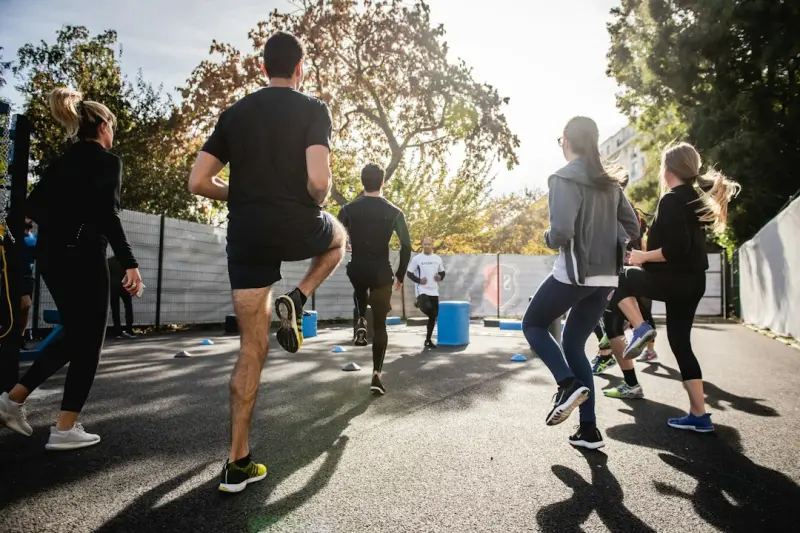
Micro‑Movement Mastery: Boosting Health and Performance at the Desk
Micro‑movement offers a low‑effort, high‑impact way to counteract the harms of sitting. Learn ... Read More
Wearable Wisdom: Turning Everyday Data Into Lasting Health Habits
Discover practical ways to decode your wearable’s data, align your environment, and build micro‑... Read More
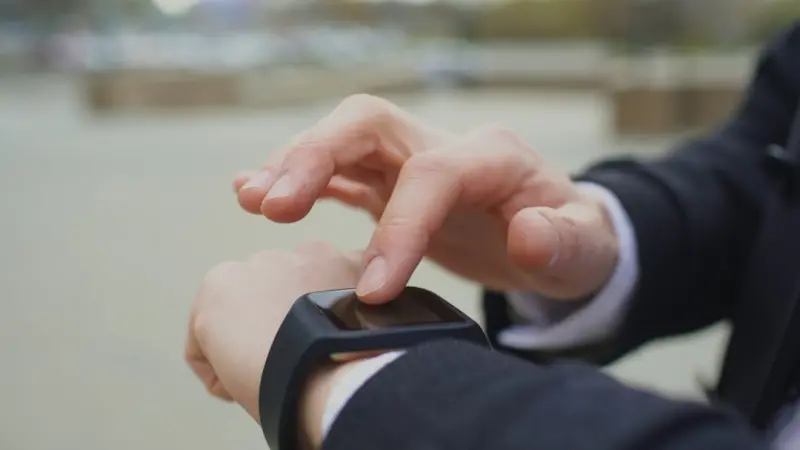
Turning Wearable Data into Daily Wellness Wins
Discover how to convert wearable metrics into simple, actionable habits. This guide walks you throug... Read More
Top Posts

Turning Google’s Carbon‑Free Energy Credits into a Competitive Edge for SaaS
Discover how SaaS companies can turn Google’s carbon‑free energy credits into a market differentiator, reducing costs while meeting growing ESG demands and ...Read More
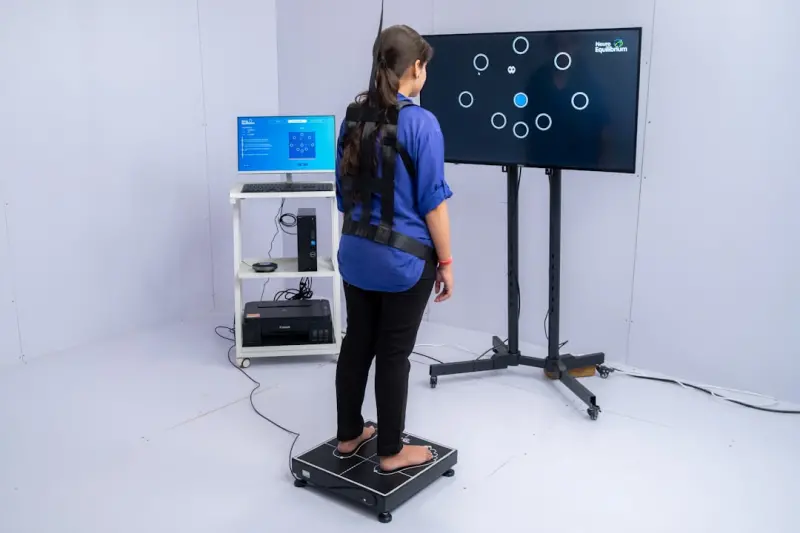
Wearable Biofeedback: Turning Your Body Into a Personal Health Dashboard
Biofeedback wearables move beyond step counts, offering real‑time physiological insights that act as a personal health coach, helping professionals manage str...Read More
Federated Learning: Decentralized AI for Safer SaaS
A deep dive into federated learning reveals its power to protect data, enhance compliance, and improve SaaS performance without sacrificing user privacy....Read More
Community‑First Marketing: Turning Customers into Co‑Creators
A fresh look at marketing that shifts focus from funnel tactics to building a thriving community where customers co‑create, share insights, and become powerfu...Read More
0 Comments
Post Comment
You will need to Login or Register to comment on this post!