

When I first walked through the narrow hallway of my new apartment, the echo of my own footsteps felt louder than the street outside. It was a subtle reminder that the way a home sounds, smells, and feels can either amplify stress or dissolve it. Over the years I’ve turned that raw experience into a set of intentional, sensory‑first habits that have transformed my living spaces from noisy backdrops into quiet sanctuaries. In this post I’ll share the practical, low‑cost tweaks that anyone can adopt to create a home that nurtures calm, focus, and joy—without turning the thermostat up or buying a handful of high‑tech gadgets.
Listen First: Crafting an Acoustic Envelope
Most home‑improvement guides start with paint colors or furniture layouts, but the soundscape is often the silent saboteur of peace. Hard floors, bare walls, and high ceilings create a natural reverberation that can make everyday noises feel intrusive. The first step is to map the acoustic hotspots in each room. Walk around with a simple recorder on your phone and note where echoes bounce back strongest. Once identified, you can tame those zones with inexpensive, texture‑rich solutions:
- Rugs and runners: A thick wool rug under a kitchen island or a plush runner in the hallway can absorb up to 30% of footfall noise.
- Fabric wall hangings: Think woven tapestries, macramé, or even a row of framed quilts. They act as decorative acoustic panels.
- Bookshelves filled with paper: A well‑stocked bookshelf isn’t just a design statement; the varied heights and widths of books break up sound waves.
If you enjoy background music, opt for speakers that disperse sound evenly rather than blasting from a single corner. A subtle, ambient playlist can mask external noise without competing for attention, turning a potentially chaotic environment into a cohesive auditory hug.
Soft Furnishings: The Unsung Heroes of Calm
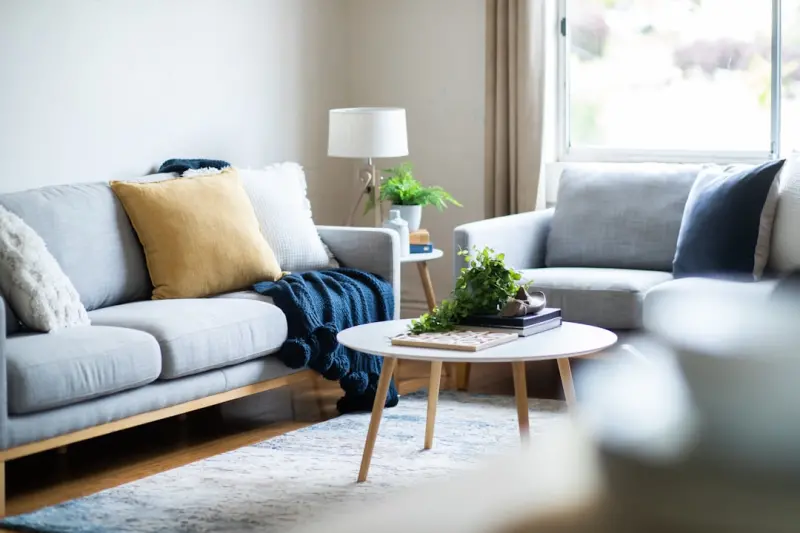
When I re‑upholstered my living‑room sofa with a muted, natural‑linen fabric, the room didn’t just look softer—it felt softer. Soft furnishings are the “cushion” for both your body and your mind. Here’s how to select pieces that add comfort without clutter:
- Cushion clusters: Group three to five throw pillows in varying textures (linen, velvet, knit) on a single sofa. The tactile variety invites you to sink in and stay awhile.
- Layered throws: A lightweight cotton throw over a heavier wool blanket offers a quick way to adjust warmth and sound absorption depending on the season.
- Window treatments: Heavy drapes not only block harsh sunlight but also dampen street noise. Choose fabrics that complement your color palette to keep the look cohesive.
These elements work together to create a “soft envelope” that reduces visual and auditory overload. When the senses are soothed, you’ll notice a measurable dip in stress hormones—something I track with a simple pulse‑oximeter during evenings of reading.
Smart Storage That Feels Light
Clutter is the visual equivalent of static. Even the most beautiful room can feel oppressive if every surface is covered with “stuff.” The key is to hide away the non‑essentials while keeping the essentials within easy reach. Here are three storage strategies that feel almost invisible:
- Floating shelves with concealed brackets: By mounting shelves a few inches off the wall and using hidden hardware, you maintain a clean line that doesn’t dominate the space.
- Under‑bed containers: Opt for low‑profile, fabric‑lined bins that slide smoothly. Label them with minimalist tags to avoid a chaotic look.
- Multi‑functional furniture: A coffee table with hidden drawers or a bench with a lift‑top can store games, magazines, or seasonal items without adding extra pieces.
When you design storage with an eye for simplicity, you’re actually creating a mental “pause button.” Every time you put something back in its place, you reinforce the habit of order, which in turn frees up mental bandwidth for creativity and focus.
Scent and Light: The Mood‑Setting Duo
While the previous article on home lighting focused on energy savings, this piece looks at light and scent as emotional levers. The right fragrance paired with the right hue can cue your brain to shift into relaxation mode or productivity mode.
Start by selecting a few signature scents—lavender for unwinding, citrus for energizing, and cedar for grounding. Use natural diffusers such as ceramic oil burners or bamboo reed sticks. Pair each scent with a complementary light temperature:
- Lavender + warm amber: Ideal for bedroom evenings, this combo signals the body to release melatonin.
- Citrus + cool white: Perfect for a home office, the bright light and invigorating aroma boost alertness.
- Cedar + soft daylight: Use in living areas to create a cozy, grounded atmosphere that encourages conversation.
By syncing scent and light, you create a predictable sensory routine that trains your nervous system to respond automatically—much like how humanizing automated outreach teaches software to recognize tone and adjust responses. Your home can learn to “talk back” with comfort cues that make you feel truly welcomed each time you cross the threshold.
Digital Minimalism: Curating the Tech Landscape
Many of us treat our homes as extensions of our workstations, sprinkling smart speakers, charging docks, and endless cables throughout every room. While technology can be a boon, an over‑abundance creates visual clutter and mental distraction. Adopt a digital minimalism mindset:
- Designate tech‑free zones: A reading nook or meditation corner should be free of screens, routers, and smart hubs. This signals to your brain that it’s time to unwind.
- Consolidate charging stations: Use a single, organized hub on a side table rather than multiple cords scattered across surfaces.
- Choose multi‑functional devices: A voice‑controlled lamp that doubles as a speaker reduces the need for separate gadgets.
When you streamline the digital footprint in your living spaces, you give yourself room to breathe—both literally and figuratively. The result is a calmer environment that supports deeper focus and better sleep.
Bringing the Outdoors In: Plant‑Based Calm
Plants are the unsung heroes of home serenity. Beyond their aesthetic charm, they improve indoor air quality, lower humidity, and create a subtle sense of life that can be grounding. Here are three low‑maintenance options that thrive in most interiors:
- Snake plant (Sansevieria): Tolerates low light and infrequent watering, making it ideal for bedrooms.
- ZZ plant (Zamioculcas zamiifolia): Its waxy leaves reflect light, adding a subtle sparkle without needing direct sunlight.
- Pothos (Epipremnum aureum): Perfect for hanging baskets, it drapes gracefully and helps filter airborne toxins.
Position plants at varying heights—on a windowsill, a mid‑level shelf, and a floor‑standing pot—to create a layered visual rhythm. This not only softens sharp architectural lines but also introduces a natural “sound‑absorbing” element as leaves gently rustle with airflow.
Habit‑Friendly Layouts for Flow and Focus
Think of your home as a series of pathways that guide you from one activity to the next. When those pathways are obstructed or confusing, you waste mental energy deciding where to go. To design a habit‑friendly flow:
- Identify anchor zones: These are the places where you spend the most time—your kitchen, desk, or couch. Position them near natural light sources and away from high‑traffic corridors.
- Map micro‑routes: Sketch a quick floor plan and draw arrows that show the most logical movement between zones (e.g., kitchen → coffee station → dining table).
- Minimize “decision fatigue”: Keep the items you need for each activity within arm’s reach. For instance, place a small tray of keys and wallet by the entryway, and a charging pad next to your favorite reading chair.
When you treat movement through your home as a series of intentional micro‑steps, you reduce the mental load of “what’s next,” freeing up brainpower for more rewarding tasks. In fact, this principle mirrors the way mapping success strategies guide users through digital journeys—both rely on clear, frictionless pathways.
Playful Touches: Turning Routine Into Ritual
Rituals are powerful because they embed meaning into everyday actions. Adding a playful or sensory element can transform a mundane routine into a moment of mindfulness. Here are a few ideas:
- Morning coffee ceremony: Use a hand‑grinder, pour water from a gooseneck kettle, and savor the aroma before you even sip.
- Evening “wind‑down” playlist: Curate a 15‑minute sequence of instrumental tracks that cue your brain that bedtime is approaching.
- Weekly “scent swap”: Rotate essential oils in your diffuser to keep the olfactory experience fresh and engaging.
These small, intentional practices create a sense of continuity that anchors you in the present. Over time, they become subconscious cues that help you transition smoothly between work, relaxation, and sleep.
Putting It All Together
Creating a home that nurtures calm isn’t about overhauling every surface; it’s about thoughtful, layered adjustments that address sound, sight, scent, and touch. By listening to the acoustic fingerprint of your space, softening it with textiles, streamlining storage, syncing scent with light, curating digital zones, inviting nature inside, and mapping habit‑friendly routes, you build an environment that supports well‑being on all fronts.
Remember, the goal isn’t perfection—it’s progress. Pick one or two of the strategies above and experiment for a week. Notice how your mood shifts, how much more focused you feel, and how the simple act of stepping through your doorway becomes a moment of welcome rather than a source of stress. Your home is a living system; nurture it with intention, and it will return the favor in the form of peace, productivity, and profound comfort.

Karen Edwards is a seasoned freelance writer with a passion for all things furry, feathered, and scaled. With a dedicated focus on pets, she brings a wealth of knowledge and a keen eye for detail to her writing.
Related Posts
The Ultimate Kitchen Command Center: Streamline Meal Prep and Reduce Clutter
Creating a kitchen command center transforms your cooking space into a well‑organized hub, saving ... Read More

Secret Storage Hacks: Turn Everyday Items into Home Organizers
Learn how to repurpose everyday objects into hidden storage solutions that maximize space, simplify ... Read More

Let the Sun In: Simple Strategies to Light Up Your Home and Save Energy
Learn how to harness natural sunlight to improve mood, increase energy efficiency, and transform you... Read More
Top Posts

Building Your Own AI Privacy Shield
Discover a step‑by‑step AI strategy to map your data, automate consent, and continuously guard your privacy, turning complex tech into a personal shield....Read More

Why Digital Twins Are the Secret Weapon for Modern SaaS Platforms
Digital twins create real‑time virtual replicas of SaaS environments, allowing teams to predict issues, test changes, and enhance security before they impact ...Read More

Screen Fatigue: Unmasking the Hidden Health Crisis of Our Digital Lives
Screen fatigue silently harms our eyes, posture, and mind. This article reveals the science behind digital strain and offers practical, evidence‑backed stepsâ...Read More

The Rise of Zero‑Click SEO: How SaaS Companies Can Capture Value When Users Never Click
Zero‑click SEO is reshaping how B2B SaaS companies capture organic traffic. This guide walks you through auditing, schema markup, snippet‑friendly content, ...Read More
0 Comments
Post Comment
You will need to Login or Register to comment on this post!