
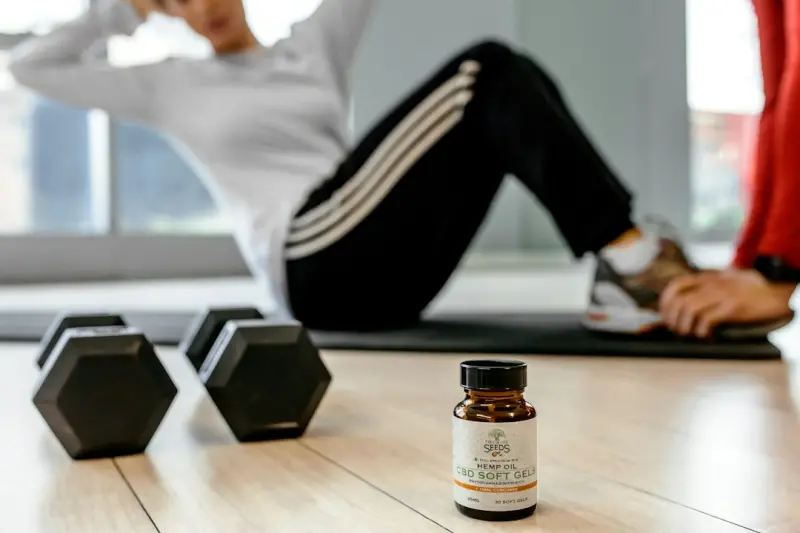
Micro‑Movements: Tiny Physical Hacks to Supercharge Your Health in an Office‑Centric World
Let’s face it: the modern office is a sedentary arena, and our bodies have taken the slow‑down cue a little too literally. I spend the majority of my day hunched over a laptop, wrestling with code, brainstorming product roadmaps, and occasionally sprinting to the coffee machine for a caffeine‑boosted sanity check. Yet, amid the endless tabs and meeting invites, I discovered a surprisingly potent health strategy that doesn’t require a gym membership, a yoga mat, or even a full‑blown workout routine. I’m talking about micro‑movements—those bite‑size, intentional motions that you can sprinkle throughout your workday.
When I first heard the term, I imagined a futuristic robot doing a tiny dance every time I hit “send.” Turns out, the concept is far more grounded (and a lot less flashy). Micro‑movements are purposeful, low‑intensity actions—like calf raises while you wait for a file to upload, shoulder rolls during a conference call, or a quick desk‑standing stretch when you hit a mental block. The science behind them is compelling, the implementation is effortless, and the payoff is a healthier, more energized you.
Why Tiny Movements Matter More Than You Think
Our bodies are built for motion. Evolution wired us to be dynamic, not static. When we sit for prolonged periods, we trigger a cascade of physiological changes: blood pools in the lower limbs, the diaphragm collapses, and metabolic processes slow down. Over time, these micro‑stressors can translate into chronic issues such as:
- Reduced circulation and increased risk of deep‑vein thrombosis.
- Impaired posture leading to neck, shoulder, and lower‑back pain.
- Decreased insulin sensitivity, nudging us toward weight gain.
- Mood dips tied to lower serotonin production.
Enter micro‑movements. By injecting brief, purposeful motion every 30‑60 minutes, you counteract the deleterious effects of static sitting. The research is clear: natural light's impact on wellbeing is amplified when combined with regular, low‑intensity activity. Light exposure triggers circadian rhythms, while movement keeps blood flowing—together they form a powerhouse duo for mental clarity and physical resilience.
The Science: How Small Motions Trigger Big Benefits
At the cellular level, movement stimulates mechanotransduction—the process by which cells convert mechanical stimuli into biochemical signals. Even a few seconds of muscle contraction activates the mTOR pathway, which supports protein synthesis, muscle maintenance, and even brain‑derived neurotrophic factor (BDNF) release. BDNF is a crucial neurochemical that promotes neuronal growth and improves cognitive function.
Moreover, micro‑movements help regulate the autonomic nervous system. By alternating periods of sympathetic (fight‑or‑flight) and parasympathetic (rest‑and‑digest) activity, you avoid the chronic stress overload that plagues many knowledge workers. The result? Lower cortisol levels, steadier heart rate variability (HRV), and a steadier mood throughout the day.
Building a Micro‑Movement Routine: The 5‑Step Playbook
Below is my go‑to framework for weaving micro‑movements into a typical 9‑to‑5 schedule. Feel free to remix it to suit your workflow, office layout, or personal preferences.
- Identify Natural Pause Points. Look for moments when you’re already waiting—file uploads, video buffers, or the time it takes for a colleague to finish speaking. These are perfect windows for a quick movement.
- Choose a Set of Simple Actions. Keep a repertoire of 5‑10 moves that require minimal space: calf raises, seated torso twists, wrist flexor stretches, neck rotations, and desk‑standing hamstring pulls.
- Set a Gentle Reminder. Use a timer, a smartwatch vibration, or a calendar notification to cue you every 45 minutes. The goal isn’t to interrupt flow but to create a rhythmic pattern.
- Pair Movement with Breath. Inhale as you lift, exhale as you lower. This breath‑movement sync maximizes oxygen delivery and reinforces mindfulness.
- Track and Iterate. Log your micro‑movement frequency in a habit tracker or a simple spreadsheet. Notice patterns—do you feel more focused after a specific sequence? Adjust accordingly.
Micro‑Movement Menu: 15 Moves to Get You Started
Here’s a curated list of movements that fit neatly into an office environment. Each can be completed in 15‑30 seconds, making them ideal for those brief interludes.
- Calf Raises. Stand tall, lift heels, lower slowly. Boosts lower‑leg circulation.
- Seated Cat‑Cow. While seated, arch your back (cow) and round it (cat). Improves spinal mobility.
- Wrist Flexor Stretch. Extend one arm, palm up, gently pull fingers back with the other hand. Relieves typing tension.
- Neck Rotations. Slowly turn your head left‑right, then tilt ear to shoulder. Alleviates neck stiffness.
- Desk‑Standing Hamstring Pull. Place one foot on a low stool, hinge at the hips, feel the stretch. Reduces lower‑back strain.
- Shoulder Rolls. Lift shoulders to ears, roll back, and down. Loosens the shoulder girdle.
- Seated Leg Extensions. Extend one leg straight, hold, lower. Engages quadriceps without standing.
- Desk Push‑Ups. Place hands on the edge of your desk, step back, perform a push‑up. Activates chest and triceps.
- Hip Openers. Cross one ankle over the opposite knee, gently press down on the raised knee. Opens the hips.
- Standing Quad Stretch. Grab ankle, pull heel toward glutes. Balances leg muscles.
- Deep Diaphragmatic Breaths. Inhale for a count of four, pause, exhale for six. Re‑centers your nervous system.
- Eye Palming. Cover eyes with cupped hands, relax for 30 seconds. Reduces screen fatigue.
- Finger Taps. Rapidly tap each finger to your thumb, one hand at a time. Enhances fine‑motor coordination.
- Spine Twist. Sit sideways, place hand on the back of the chair, twist gently. Encourages rotational mobility.
- Standing Calf Stretch. Press forefoot against a wall, lean forward. Lengthens gastrocnemius.
Integrating Micro‑Movements with Tech: A SaaS‑Friendly Approach
Even though we’re talking health, I couldn’t resist weaving in a little SaaS flair. Many productivity platforms now offer human‑AI partnerships in SaaS that can automate those reminder prompts. For instance, you can set up a simple workflow in your favorite project management tool that triggers a Slack message—“Time for a micro‑movement!”—every 45 minutes. Some advanced tools even use computer vision to detect when you’ve been sitting too long and pop up a gentle nudge.
Beyond reminders, consider leveraging data dashboards to visualize your movement frequency. A quick weekly heatmap can reveal patterns: perhaps you’re most active on Tuesdays but slump on Thursday afternoons. Armed with that insight, you can experiment with different types of movements to keep the routine fresh and engaging.
Beyond the Desk: Extending Micro‑Movement Principles to Travel and Remote Work
Remote work often blurs the line between “office” and “home,” and travel adds another layer of complexity. The good news? Micro‑movements travel with you. Pack a movement card—a small index card with your favorite 5 moves printed on it. Slip it into your laptop case, and you’ll have an instant reference wherever you set up shop.
If you’re on a business trip, turn layovers into movement opportunities. A quick set of calf raises while waiting at the gate, or a few neck rotations during a flight, can offset the stiffness that comes from long periods of sitting. The principle remains the same: any brief, intentional motion is better than none.
Measuring Impact: How to Know It’s Working
Tracking health improvements doesn’t have to be scientific-grade. Start with these simple metrics:
- Energy Levels. Rate your energy on a 1‑10 scale before and after a week of micro‑movements. Look for an upward trend.
- Focus Duration. Use a Pomodoro timer. Note if you’re able to sustain longer focus blocks without mental fatigue.
- Posture Feedback. Many ergonomic chairs have posture sensors. Notice if you’re receiving fewer “slouch” alerts.
- Stress Markers. Pay attention to heart rate variability (HRV) if you wear a fitness tracker. Consistent micro‑movements often improve HRV over time.
Over a month, you should see subtle but meaningful shifts: fewer afternoon energy crashes, a reduction in neck tension, and a sharper ability to bounce back from stressful meetings. Those are the real ROI numbers for a health investment that costs you less than a coffee per day.
Common Pitfalls and How to Avoid Them
Even the best intentions can stumble. Here are three typical obstacles and practical fixes:
- “I’m too busy.” Remember, each micro‑movement is under a minute. Treat it as a “software patch” for your body, not a full‑blown task.
- “I forget.” Pair your movement cue with an existing habit—like standing up when you receive a Slack notification. The cue‑routine‑reward loop is powerful.
- “I feel self‑conscious.” Choose discreet moves that can be done seated or while looking at your screen. You’ll quickly forget you’re even doing them.
Conclusion: Tiny Motions, Massive Gains
If you’ve ever wondered whether a “quick stretch” could actually move the needle on your health, the answer is a resounding yes. Micro‑movements are the unsung heroes of workplace wellness—tiny, science‑backed actions that slip seamlessly into the rhythm of a busy day. By committing to a few seconds of intentional motion every half hour, you’ll safeguard your circulation, protect your posture, sharpen your mind, and—most importantly—feel better in the moment.
So, the next time you find yourself waiting for that spreadsheet to render or listening to a meeting that drifts, seize the opportunity. Raise those heels, roll those shoulders, or simply take a deep breath. Your future self will thank you, and you’ll prove that even in a hyper‑digital world, the simplest physical gestures can be the most transformative.

Shawn DesRochers is a certified Microsoft technician and Programmer with 30+ year's experience. He has written many reviews on computer related products, software, and SEO related topics. When he's not writing reviews he can be found at one of the Oldest Directories Online Business Directory USA which he is the CEO of.
Related Posts

Your Eyes Deserve a Vacation: Simple Strategies to Beat Digital Eye Strain
Digital eye strain is a hidden health issue for remote professionals. Discover actionable tips—lik... Read More
Digital Detox for Knowledge Workers: Reclaiming Focus and Vitality
A data‑driven guide for knowledge workers to implement intentional digital boundaries, integrate p... Read More

Beyond the Buzz: How Biofeedback Wearables Are Redefining Workplace Wellness
Biofeedback wearables provide real‑time health insights, turning personal data into actionable wor... Read More
Top Posts

Riding the Google AI Wave: Rose DesRochers’ Insider Take on 2024’s Search Revolution
Rose DesRochers shares an insider’s view on Google’s 2024 AI-driven search evolution, offering practical SEO tips, ethical insights, and a glimpse into the ...Read More
Dynamic Email Sequencing: How Adaptive Journeys Outperform Static Campaigns
Explore the power of adaptive email journeys, from data unification to AI‑driven content sequencing, and learn a step‑by‑step roadmap to elevate your camp...Read More

Smart Micro‑Design Hacks for a More Functional Home
Learn how small, intentional tweaks—from corridor galleries to budget‑friendly air purifiers—can transform your home into a more functional, healthy, and ...Read More

Sensing the World: How Travel Becomes a Personal Time Machine
Discover the art of using sound, scent, touch, and sight to turn each journey into a personal time machine, forging unforgettable memories and deeper connection...Read More
0 Comments
Post Comment
You will need to Login or Register to comment on this post!