
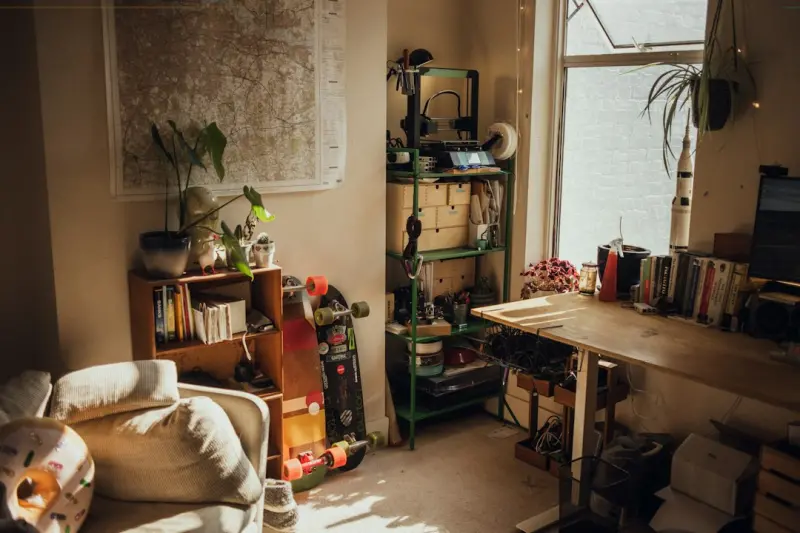
When I first moved into my tiny downtown loft, I was convinced that a high‑tech gadget would be the magic wand to tame the chaos. I tried every smart shelf, voice‑controlled lighting system, and app‑driven vacuum that promised a “hands‑free” life. After months of blinking LEDs and endless firmware updates, I realized the real solution lived far away from the app store – it was in the simple, low‑tech habits that my grandparents swore by.
Why Low‑Tech Beats High‑Tech (Most of the Time)
There’s a seductive allure to the newest IoT device. It promises efficiency, data, and the feeling that you’re living in the future. Yet, every piece of tech adds a layer of complexity: batteries to replace, software to update, and a learning curve that eats into the very time you hoped to save.
Low‑tech strategies, on the other hand, thrive on consistency and human intuition. They don’t need a Wi‑Fi signal, they don’t break when a power outage hits, and most importantly, they can be deployed instantly with nothing more than a pen, a box, and a bit of curiosity.
The Core Principles of Low‑Tech Home Organization
- Visible Storage. When you can see what you own, you’re less likely to buy duplicates.
- One‑In‑One‑Out. Every new item that enters the home must replace an existing one.
- Zone Designation. Assign a specific function to each area – work, rest, play, and so on – and keep only the tools needed for that function within the zone.
- Routine Reset. A quick, daily reset prevents the slow creep of clutter.
Step‑by‑Step: Turning Theory into a Tidy Reality
1. Conduct a “Stuff Audit” (The 5‑Minute Reality Check)
I start every re‑organization season with a stopwatch and a trash bag. I walk through each room, pull out anything that doesn’t have an immediate purpose, and place it in the bag. If I can’t name a use for it within five seconds, it goes in. This rapid audit keeps the process from spiralling into an emotional “I might need this someday” vortex.
2. Adopt the “Three‑Box Method”
Grab three sturdy boxes and label them: Keep, Donate, and Discard. As you sort, each item must earn a spot in Keep by meeting one of the following criteria:
- It’s used at least once a week.
- It has sentimental value that genuinely enriches your life.
- It serves a specific, identified need in one of your zones.
The act of physically moving items into these boxes creates a tactile sense of progress, far more satisfying than scrolling through a digital inventory.
3. Leverage “Vertical Real Estate”
Most of us think of storage as floor space, but walls are under‑utilized gold mines. Simple solutions include:
- Pegboards. Paint them a bold color, hang tools, kitchen utensils, or even kids’ art supplies.
- Floating Shelves. Use them for books, decorative boxes, or plant pots. The key is to keep the tops clear – a cluttered shelf defeats the purpose.
- Hooks. A row of decorative hooks can hold everything from coat hangers to garden gloves.
4. Create “Mini‑Cubbies” for High‑Traffic Zones
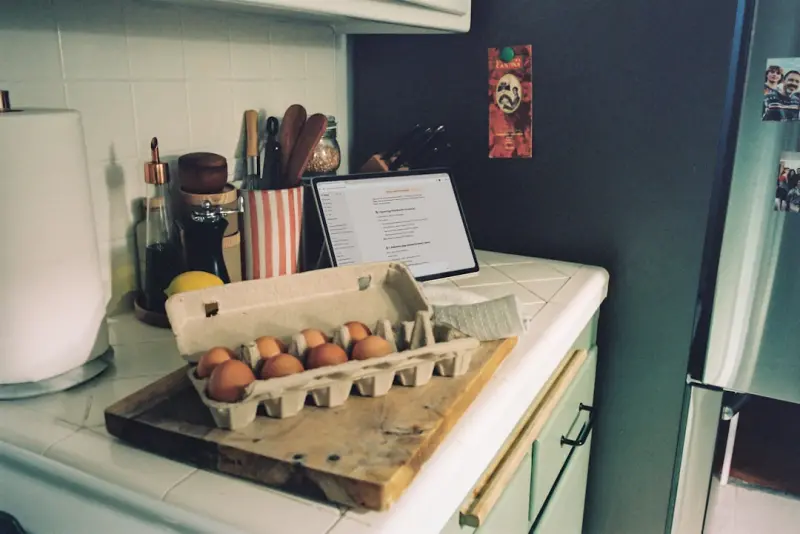
In my own kitchen, the counter can quickly become a dumping ground for mail, keys, and random gadgets. I installed a shallow wooden tray (about two inches deep) that slides under the counter edge. It acts as a catch‑all for daily “in‑bounds” and can be emptied with a single, swift sweep each evening.
5. Implement “Seasonal Décor Swaps” for Functional Refreshes
While many readers think of seasonal décor swaps as purely aesthetic, they can double as storage resets. At the start of each season, pull out the items you stored away, evaluate their relevance, and either reintegrate them or donate them. This habit naturally enforces the one‑in‑one‑out rule without feeling like a chore.
6. Optimize “Smart Water Savings” Practices for Kitchen Clutter
Reducing water waste isn’t just an eco‑friendly act; it also trims down the number of containers you keep. By installing a simple aerator on your faucet (a cheap, low‑tech upgrade), you’ll notice a noticeable drop in the amount of bottled water you purchase. Less bottled water means fewer plastic jugs cluttering pantry shelves, and an immediate visual cue that you’re consuming responsibly.
7. Use “Paperless” Zones
Designate a single drawer or box for all essential paperwork – bills, warranties, and important documents. Keep it organized with a simple 3‑folder system: Urgent, Reference, and Archive. Anything that lands outside this zone gets a quick scan (if you have a scanner) or a note to handle later, preventing a paper avalanche on the coffee table.
Real‑World Example: My Living‑Room Transformation
Before I applied these low‑tech principles, my living‑room resembled a storage unit. Two sofas, a coffee table, a stack of magazines, three gaming consoles, and a half‑filled bookshelf that was more “book pile” than curated collection.
Step 1: Audit. I timed myself – 12 minutes – to pull everything off the coffee table. Anything that didn’t belong to the “relaxation zone” was boxed for donation.
Step 2: Zone Creation. I split the room into two distinct zones: Entertaining (sofa, TV, game console) and Reading/Study (bookshelf, a small side desk, a lamp). The bookshelf was cleared, leaving only ten books that truly resonated with me. The rest went back to the donation box.
Step 3: Vertical Storage. I installed a slim pegboard above the side desk for pens, notebooks, and my favorite plant. This freed up desk surface for actual work.
Step 4: Mini‑Cubby. The coffee table now has a shallow tray that catches remote controls, coasters, and the occasional snack wrapper. At night, a quick swipe empties it – no more “where did the remote go?” moments.
The end result? A room that feels airy, purposeful, and, most importantly, easy to maintain without a single app notification.
Maintaining the Momentum: Daily Micro‑Habits
Low‑tech doesn’t mean “set it and forget it.” The real power lies in micro‑habits that become second nature:
- Morning Reset (5 minutes). Before you leave for work, glance over each zone and return any out‑of‑place items to their homes.
- Evening Sweep (3 minutes). Use a small basket to collect stray objects while you sip your tea.
- Weekly “Zone Check”. Pick one zone each week to evaluate its contents. If something feels out of place, relocate or discard it.
Bonus: The Psychological Edge of Low‑Tech Organization
There’s a subtle but profound psychological benefit to handling clutter manually. Physically moving an object from “mess” to “order” triggers a dopamine release, reinforcing the habit. Over time, you’ll find yourself naturally inclined to put things back where they belong, without any external reminder.
Final Thoughts – Embrace the Simplicity
If you’re tired of the constant buzz of updates, subscription fees, and the occasional “device not responding” panic, it’s time to go back to basics. Low‑tech home tips aren’t a step backward; they’re a step toward a space that serves you, not the other way around. By adopting the audit‑box‑zone framework, leveraging vertical storage, and integrating tiny daily habits, you can turn any home – no matter the size – into a calm, functional sanctuary.
Remember, the goal isn’t to eliminate every gadget; it’s to ensure each item you keep truly earns its place. When you do that, you’ll find the peace of a clutter‑free home is the most powerful technology of all.

Robert Mathews is a professional content marketer and freelancer for many SEO agencies. In his spare time he likes to play video games, get outdoors and enjoy time with his family and friends .
Related Posts
Creating Mini‑Zones: A Fresh Way to Organize Every Corner of Your Home
Learn to design functional mini‑zones that boost calm and efficiency, using versatile furniture, l... Read More

Unlocking Everyday Comfort: Practical Home Hacks for the Busy Professional
A comprehensive guide with 15 actionable home tips—from micro‑zones and smart lighting to digita... Read More

Build a Home Micro‑Wellness Lab: Tiny Spaces, Big Benefits
Discover how to transform a modest nook into a personal micro‑wellness lab, using light, scent, so... Read More
Top Posts

Digital Detox: Reclaim Focus and Calm in an Always‑On World
Explore actionable steps to break free from constant screen exposure, improve sleep, reduce stress, and boost productivity through a sustainable digital detox r...Read More

Your Personal AI Memory Curator: Turning Data Overload Into Meaningful Stories
Learn how an AI memory curator transforms scattered photos, messages, and logs into coherent stories, offering personal insight, mental wellness benefits, and s...Read More

Riding the 2026 Google AI Wave: Insider Insights for Modern Marketers
Explore the 2026 Google AI wave and learn insider strategies for data‑driven creativity, privacy‑first tactics, and real‑time success measurement....Read More

Google’s Multimodal Revolution: How AI Is Redefining Search
Google’s AI upgrades are turning search into a multimodal experience—mixing text, images, and voice. Learn what this means for creators, SEO, and the future...Read More
0 Comments
Post Comment
You will need to Login or Register to comment on this post!