
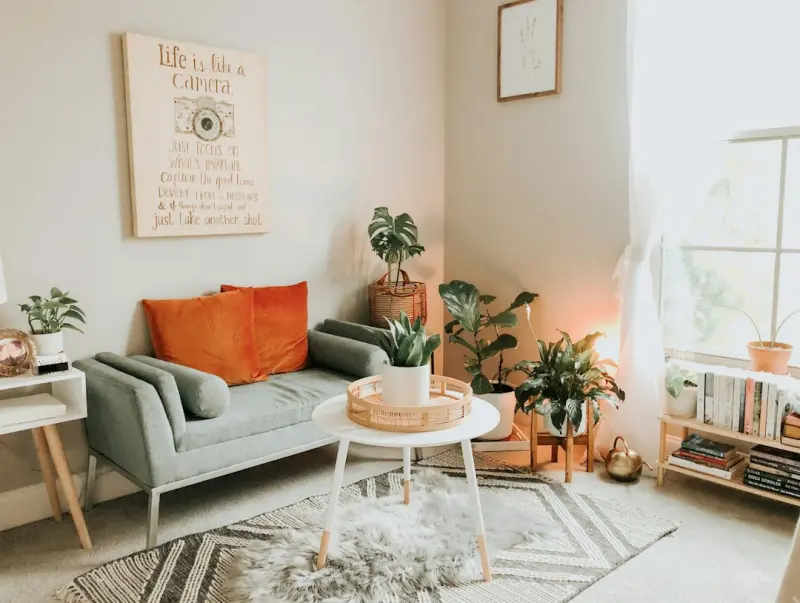
Unlocking the Quiet Power of a Home Sanctuary: Practical Tips for Everyday Calm
When I first moved into my downtown loft, the clamor of city life seeped into every room. The constant buzz of traffic, the flicker of neon signs, even the occasional siren became background noise that never truly faded. I realized that my home—supposedly the place of refuge—was silently competing with the world outside. Over the past few years, I’ve been on a mission to transform my living quarters into a genuine sanctuary, one that nurtures the mind, body, and spirit without relying on dramatic makeovers or expensive gadgets.
In this post, I’ll share a collection of home tips that focus on subtle, sustainable changes. Think of it as a gentle, step‑by‑step guide to coaxing calm out of the everyday. You won’t need a full‑scale redesign; you’ll need only a few thoughtful adjustments, a pinch of curiosity, and a willingness to listen to the quiet cues your space is giving you.
1. Curate Your Soundscape
Sound is the most immediate sense we encounter when we step inside a room. While most people think about acoustics in terms of “hard surfaces absorb echo,” I’ve learned to treat sound as a layered mood board. Here’s how:
- Introduce natural textures. A wool rug, linen curtains, or a cork wall panel can dampen harsh city noise while adding tactile warmth.
- Play ambient playlists. I keep a low‑volume audio‑first playlist that blends soft rain, distant birdsong, and occasional low‑frequency tones. It’s not just background music; it’s an auditory anchor that signals “home” to my brain.
- Seal gaps. Simple door sweeps, draft stoppers, and weather‑stripping around windows cut out the most intrusive street sounds.
When your ears aren’t assaulted by the world outside, your nervous system can relax more fully, making the entire home feel more inviting.
2. Harness Natural Light, But With Intention
Sunlight is a free mood‑enhancer, but too much direct glare can be harsh. I’ve adopted a “light‑zoning” approach:
- Morning zones. Position a small reading nook by the east‑facing window, and use a lightweight sheer curtain to diffuse the sunrise.
- Afternoon retreat. In rooms that receive strong midday sun, place a tall plant or a bamboo screen to soften the intensity while keeping the space bright.
- Evening ambiance. Switch to warm‑toned LED bulbs (2700‑3000K) and add a few strategically placed floor lamps to mimic the natural decline of daylight.
These adjustments don’t require new windows—just thoughtful placement of existing furniture and accessories.
3. Introduce Biophilic Elements Without a Green Thumb
Biophilic design is all about reconnecting with nature. You don’t need a jungle; even minimal greenery can improve air quality and lower stress. Here are my low‑maintenance favorites:
- Snake plant (Sansevieria). Thrives on neglect and filters indoor pollutants.
- Spider plant. Grows quickly, tolerates low light, and is safe for pets.
- Air‑purifying terrariums. Small glass containers with succulents or air plants add a decorative touch while serving a functional purpose.
For those with limited floor space, consider hanging planters or wall‑mounted pockets. The visual break of green against a neutral wall instantly creates a calming focal point.
4. Create a Sensory “Reset” Corner
One of the most powerful ways to reclaim calm is to have a designated spot that engages all five senses. My favorite corner includes:
- Scent: A small essential‑oil diffuser with lavender or eucalyptus.
- Touch: A plush throw blanket made of organic cotton.
- Sound: A Bluetooth speaker looping soft instrumental music.
- Sight: A framed piece of art that evokes personal nostalgia—perhaps a black‑and‑white photo from a cherished trip.
- Taste: A tiny glass jar of herbal tea within arm’s reach.
Whenever the world feels overwhelming, I retreat to this corner for five minutes, breathing deeply and grounding myself.
5. Streamline Storage with Invisible Solutions
Clutter is a silent stressor. The visual chaos of items strewn across surfaces can keep our minds in a state of alertness. I tackled this by embracing “invisible storage”:
- Under‑bed drawers. Slide a set of low‑profile containers beneath the mattress for linens, seasonal clothing, or books.
- Furniture with hidden compartments. Ottomans that open up, coffee tables with lift‑top storage, and beds with built‑in drawers keep items out of sight but easily accessible.
- Vertical shelving with baskets. Install a narrow wall shelf and use matching fabric baskets to hide everyday essentials without sacrificing style.
When surfaces are clear, the mind automatically feels lighter. I find that even a modest reduction of visible items can boost my focus dramatically.
6. Re‑think Your Kitchen Flow
While many home‑improvement articles focus on “kitchen upgrades,” I’m more interested in flow—the invisible choreography of moving between the sink, stove, and fridge. Here’s a simple audit I run every few months:
- Identify the “hot spots.” These are areas where you spend the most time—prep stations, coffee bar, or a snack drawer.
- Place tools where you need them. Keep a small magnetic strip on the wall for knives, a hanging rack for mugs, and a pull‑out pantry for spices.
- Use clear containers. Transparent jars let you see contents at a glance, reducing the mental load of remembering where things are.
When the kitchen becomes a smooth, intuitive space, meal preparation feels less like a chore and more like a mindful ritual.
7. Adopt a “Digital Sunset” Routine
Our homes are increasingly wired with screens, and the blue light they emit can interfere with our natural circadian rhythm. I instituted a “digital sunset” that begins one hour before bedtime:
- Switch devices to “night mode.” Most smartphones and laptops now have a warm‑tone setting that reduces blue light.
- Replace bright screens with analog alternatives. I keep a paper journal and a physical book on my bedside table, encouraging a slower wind‑down.
- Dim the lights. Using smart bulbs, I schedule a gradual dimming that mimics the setting sun, signalling to my brain that it’s time to unwind.
This routine not only improves sleep quality but also creates a clear boundary between work and home life, reinforcing the sanctuary feel of the space.
8. Personalize with Meaningful Artifacts
Our surroundings are most comforting when they tell a story. I’ve learned to curate items that hold personal significance—travel souvenirs, handwritten letters, or vintage kitchenware inherited from grandparents. Instead of filling every wall with generic prints, I select a handful of pieces that spark memory and conversation.
9. Leverage Micro‑Habits for Ongoing Maintenance
Large home projects can feel daunting, but micro‑habits keep the space in a state of gentle upkeep. Here are three that I’ve found remarkably effective:
- Five‑minute nightly sweep. Before bed, I set a timer for five minutes and quickly put away any stray items.
- Weekly “air‑out” session. Every Sunday, I open all windows for ten minutes, letting fresh air circulate and resetting indoor odors.
- Monthly declutter day. Pick a single drawer or shelf, empty it, and assess each item’s usefulness. The goal isn’t perfection; it’s continuous refinement.
These bite‑size habits compound over time, preventing the buildup of mess that can erode the calm atmosphere you’ve worked to build.
10. Celebrate the Process, Not Just the End Result
Finally, remember that a home sanctuary is a living, evolving entity. It’s not about achieving a flawless aesthetic overnight. It’s about savoring each small improvement, noticing how a newly placed plant brightens a room, or feeling the relief of a tidy counter after a quick evening sweep. The journey itself becomes a source of joy.
By integrating these subtle yet powerful tips into your daily routine, you’ll gradually sculpt a home environment that feels like an extension of your inner peace—a place where you can recharge, create, and simply be.
Want to dive deeper into creating atmospheres that nurture focus? Check out our guide on designing work‑friendly spaces, which explores how lighting and ergonomics can boost productivity without sacrificing comfort.
And for those interested in how the principles of storytelling can translate into home design, our piece on narrative‑driven interiors offers fresh perspectives on weaving personal history into décor.

Margaret Thomson is a seasoned freelance writer specializing in the dynamic worlds of marketing and advertising. With a career deeply rooted in the marketing field, Margaret brings a wealth of practical experience and insightful knowledge to her writing.
Related Posts
Reclaiming Calm: Small Home Tweaks That Turn Chaos into Comfort
A practical guide filled with low‑cost, high‑impact home adjustments—from entryway rituals to ... Read More

Creating a Focus‑Friendly Home Office Nook That Boosts Productivity
Learn how to turn a small, overlooked corner into a high‑impact home office nook using strategic l... Read More

The Welcome Mat Revolution: Transform Your Entryway for Calm & Joy
A thoughtfully designed entryway can set the emotional tone for your home. Learn practical, budgetâ€... Read More
Top Posts

Data Clean Rooms: Building Trust‑First Digital Marketing Strategies
Data clean rooms offer a secure, privacy‑preserving way for SaaS marketers to combine first‑party data with partner insights, delivering high‑quality audi...Read More

When AI Becomes Your SaaS Team’s Silent Strategist
Discover how a discreet AI “silent strategist” can cut decision fatigue, surface unbiased insights, and boost product velocity for SaaS teams, all while sta...Read More

The Rise of Synthetic Data: How SaaS Companies Can Train Models Without Real User Info
Synthetic data offers SaaS companies a privacy‑first, cost‑effective way to train and test AI models, speeding up innovation without compromising user trust...Read More

When AI Becomes Your Decision‑Making Ally: Turning Overwhelm into Insight
Explore a fresh approach to AI that focuses on reducing decision fatigue by surfacing contradictions, proposing hypotheses, and acting as a transparent, trustwo...Read More
0 Comments
Post Comment
You will need to Login or Register to comment on this post!