

Why Air Quality Matters More Than You Think
When we think about home comfort, temperature and décor often steal the spotlight. Yet the invisible element that truly dictates how we feel inside our walls is air quality. Poor indoor air can sap energy, trigger allergies, and even impair cognitive performance. I’ve spent years swapping out stale HVAC filters, nurturing houseplants, and experimenting with natural ventilation, and the results speak for themselves: a home that feels lighter, clearer, and surprisingly more productive. In this post I’ll walk you through a step‑by‑step roadmap that transforms any living space into a breath‑of‑fresh‑air sanctuary—without a massive budget or a tech overhaul.
Start With a Baseline: The DIY Air Test
Before you invest in solutions, you need to know where you stand. A quick DIY test can reveal hidden problems. Grab a smoke pencil (or a lit incense stick) and hold it at three key spots: near the kitchen exhaust, by the bedroom window, and at the far corner of the living room. Observe how quickly the smoke dissipates. If it lingers for more than 10 seconds, that zone is likely stagnant. Take notes; these observations become the compass for the changes you’ll implement.
Ventilation Hacks That Don’t Require a Contractor
Most homes rely on a single HVAC system, but you can augment airflow with low‑tech tricks. First, establish a cross‑ventilation routine: open windows on opposite sides of the house for 15 minutes each morning and evening. The natural wind creates a pressure gradient that pushes stale air out and fresh air in. Second, install passive vent louvers behind interior doors—these inexpensive slats keep rooms from sealing off completely, allowing air to circulate even when doors are closed. Lastly, don’t underestimate the power of a well‑placed exhaust fan in the bathroom and kitchen; running them for a few minutes after showers or cooking can dramatically cut humidity and pollutants.
Houseplants: Nature’s Air Purifiers (And How to Choose Them)
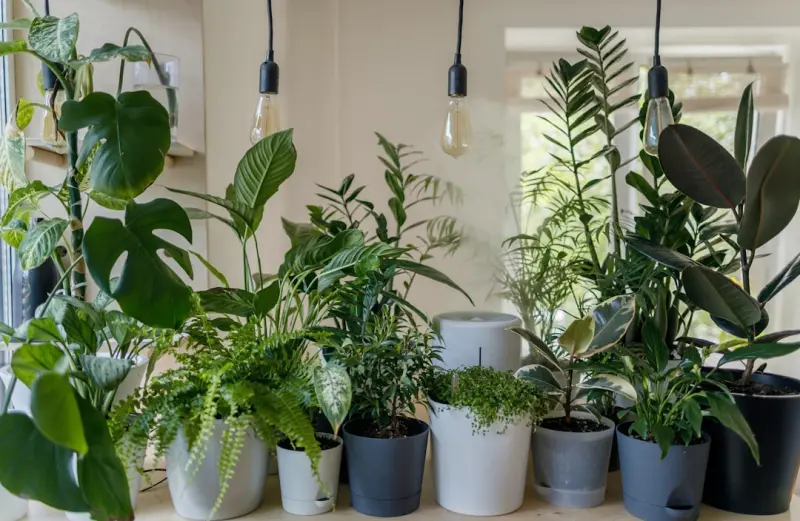
Plants are not just aesthetic; they are living filters. Species like Snake Plant, Peace Lily, and Spider Plant absorb volatile organic compounds (VOCs) such as formaldehyde and benzene, converting them into oxygen. To maximize benefits, distribute a handful of these green allies throughout high‑traffic zones—near the desk, by the entryway, and in the kitchen. Remember: a plant’s cleaning power is proportional to leaf surface area, so opt for larger foliage or a cluster of smaller pots rather than a single tiny sprout.
Control Humidity the Smart (and Simple) Way
Excess moisture is a silent contributor to mold, dust mites, and unpleasant odors. Aim for a relative humidity range of 30‑50%. In drier climates, a DIY humidifier can be as simple as a bowl of water placed on a radiator. In humid environments, place silica gel packets or charcoal briquettes in closets and under sinks to absorb excess moisture. For a more systematic approach, consider a hygrometer—many affordable models double as digital thermometers, giving you real‑time feedback on indoor conditions.
Cleaning Practices That Preserve Air Quality
Many conventional cleaning products release harsh chemicals that linger in the air long after the surface looks spotless. Switch to green alternatives: a mixture of white vinegar and water for glass, baking soda for scrubbing, and castile soap for general cleaning. When you must use a commercial spray, open a window and ventilate for at least five minutes before resuming normal activity. Additionally, adopt a dry‑dusting routine with microfiber cloths—this traps dust rather than redistributing it into the air.
The Role of Flooring in Breathability
Hard surfaces like tile or hardwood are easy to clean, but they also reflect dust and can trap pollutants in seams. If you have carpet, choose low‑pile options and vacuum with a HEPA‑rated filter at least once a week. For those who love the warmth of rugs, select natural fibers such as wool or jute, which breathe better than synthetic blends. Finally, consider a periodic “floor‑swap” day: roll up area rugs, mop the floor, let it dry, and then replace the rugs. This simple rotation prevents buildup beneath the fabric.
Cooking Strategies That Keep the Air Clean
Cooking is a major source of indoor pollutants, especially when frying or grilling. Use a range hood that vents outdoors—if you don’t have one, a portable air purifier placed near the stove can capture grease particles. Cook with lids on pots to reduce steam, and opt for methods like steaming, baking, or sautéing instead of deep‑frying. When you do need high heat, keep a window open slightly to let excess smoke escape. These adjustments not only improve air quality but also enhance the flavor of your meals, echoing insights from flavor-first journeys.
Strategic Placement of Air Purifiers
Modern air purifiers can be a powerful ally, especially in rooms with high pollutant loads. Choose units equipped with a true HEPA filter and a carbon pre‑filter for VOC removal. Position the purifier where airflow is unimpeded—typically on a side table or a low shelf, not tucked behind furniture. Run the device on “auto” mode during peak activity times (e.g., after cooking or cleaning) and set it to “sleep” at night for quiet operation. Remember, a purifier works best when the room is not overcrowded with furniture that blocks circulation.
Seasonal Adjustments: Adapting to Weather Shifts
Each season brings unique air‑quality challenges. In winter, sealed windows trap pollutants, so schedule a “window‑break” day every two weeks to let fresh air in. In summer, high pollen counts can infiltrate homes—install fine‑mesh screens on windows and keep doors closed during peak pollen hours. Fall brings leaf dust; a quick sweep of entryways and a change of HVAC filters can prevent that outdoor grit from becoming indoor grime. By aligning your ventilation and cleaning routines with the calendar, you stay one step ahead of seasonal air threats.
Integrating Air Quality Into Home Design
When planning renovations or rearranging furniture, think about airflow pathways. Avoid creating dead zones where air stagnates—these often happen when large sofas block vents or when bookshelves sit flush against a wall. Instead, leave a two‑inch gap between furniture and walls near windows and vents to allow unobstructed movement. If you’re adding a new room, consider installing a small, energy‑efficient transfer vent that connects to the main HVAC system, providing a steady stream of fresh air without a massive overhaul.
Monitoring Progress: Simple Metrics to Track
To gauge the effectiveness of your efforts, keep a short log of observable changes: reduced sneezing, clearer skin, or fewer headaches. For a more data‑driven approach, invest in a basic indoor air quality monitor that displays PM2.5 levels, VOCs, and humidity. Compare readings before and after implementing each tactic. Over time, you’ll see trends that confirm which strategies deliver the biggest payoff, allowing you to refine your routine for optimal results.
Linking Air Quality to Overall Well‑Being
Research consistently shows that cleaner air improves sleep, concentration, and even mood. By prioritizing these home‑based interventions, you’re not just creating a fresher space—you’re fostering an environment that supports mental clarity and physical health. Think of it as an ongoing, low‑cost upgrade that pays dividends in productivity and happiness. If you’re interested in a broader perspective on creating a greener, healthier home, many of these same principles overlap with sustainable living practices.
Final Checklist: Your Air‑Quality Action Plan
- Perform a DIY smoke test to identify stagnant zones.
- Establish a twice‑daily cross‑ventilation routine.
- Introduce at least three air‑purifying houseplants in high‑traffic areas.
- Maintain humidity between 30‑50% using DIY humidifiers or desiccants.
- Switch to green cleaning products and adopt dry‑dusting methods.
- Rotate rugs and vacuum carpets with a HEPA‑rated vacuum.
- Use range hoods or portable purifiers while cooking; keep lids on pots.
- Deploy a true HEPA air purifier in the most used room.
- Seasonally adjust ventilation, filter changes, and window breaks.
- Design furniture layouts to avoid blocking vents and create airflow pathways.
- Track symptoms and optionally monitor PM2.5, VOCs, and humidity.
By weaving these practical steps into your daily routine, you’ll transform your home into an oasis of clean, breathable air—one that supports both your body and your mind. The journey to better indoor air isn’t a one‑time project; it’s a series of small, consistent habits that accumulate into lasting health benefits. Start today, and feel the difference in every breath.

Dale Peterson is a freelance writer with a passion for technology, travel, law and personal finance. With 10 years of experience crafting compelling and informative content, he's dedicated to delivering high-quality writing for Blogging Fusion that engages audiences and achieves specific goals.
Related Posts

Seasonal Home Maintenance Blueprint: Keep Your House Running Smoothly All Year
A detailed, seasonal maintenance guide helps busy homeowners stay ahead of repairs, save money, and ... Read More
Low‑Maintenance Indoor Plants: A Busy Professional’s Guide to a Healthier Home
A practical guide for busy professionals on selecting, placing, and caring for low‑maintenance ind... Read More

Micro‑Zones: How Tiny, Purpose‑Built Corners Can Transform Your Home
Learn the art of creating micro‑zones—small, purpose‑focused areas in each room—that enhance... Read More
Top Posts

Why Google’s Privacy Sandbox Is a Game‑Changer for B2B SaaS Marketers
The Google Privacy Sandbox isn’t a roadblock—it’s a catalyst for smarter, consent‑driven SaaS marketing. Learn how to leverage cohort targeting, context...Read More

Taste Trails: Mapping the World One Dish at a Time
Explore a new travel mindset that uses food as a compass, creating personal flavor maps that lead to hidden culinary gems, deeper cultural connections, and sust...Read More

Zero-Party Data: Unlocking Trust‑Centric Marketing
Zero‑party data—information customers willingly share—offers a powerful, privacy‑friendly way to personalize marketing. This post explores why it matter...Read More

AI as a Compass for Ethical Business Decisions
Discover how integrating ethical AI into business strategy can boost trust, protect privacy, and drive sustainable growth, turning responsible tech into a compe...Read More
0 Comments
Post Comment
You will need to Login or Register to comment on this post!