

Why Treat Your Trip Like a SaaS Product?
When most people think about travel, they picture itineraries, souvenirs, and Instagram stories. I see it differently. My mind flips the script: each journey becomes a service you design, launch, and iterate on—just like a SaaS platform. This perspective turns the chaos of packing, routing, and adapting into a systematic, repeatable process that scales with your curiosity.
The Core Components of a Travel‑Operating System
Every SaaS product rests on four pillars: product definition, onboarding, data feedback loops, and continuous improvement. Apply those same pillars to travel, and you get a personal operating system that makes each trip smoother, richer, and more aligned with your goals.
- Product Definition: What problem are you solving for yourself? Is it cultural immersion, skill acquisition, or pure relaxation?
- Onboarding: How do you prepare for departure? Think of it as a user‑activation flow—documents, gear, and mental prep.
- Data Feedback Loops: Capture real‑time insights (photos, notes, expense logs) to inform future trips.
- Continuous Improvement: Post‑trip retrospectives let you tweak the system for the next adventure.
1. Defining Your Travel “Product”
Before you buy a ticket, write a one‑sentence “product brief.” For example: “A three‑day immersion into Barcelona’s street food scene that teaches me how to create quick, healthy meals on the go.” This brief becomes the north star for every decision—flights, accommodations, and activities. It also prevents scope creep, which in travel terms looks like endless museum hopping that drains your budget and energy.
2. Building a Seamless Onboarding Flow
In SaaS, onboarding is the moment users first experience value. For travel, your onboarding is the pre‑flight checklist. I break it down into three micro‑steps:
- Documentation Sprint: Gather passports, visas, travel insurance, and digital copies in a cloud folder.
- Gear Stack: Pack using a modular system—think “core layers” (shoes, jacket, tech) plus “contextual add‑ons” (hiking boots for mountain trips, formal shoes for business events).
- Mental Warm‑up: Read a short article on local customs or listen to a podcast about the destination. This primes your brain for the cultural shift.
When you treat these steps as a repeatable flow, the mental load drops dramatically. You’ll find yourself “launching” trips with the same ease as pressing “Deploy” on a new software release.
3. Real‑Time Data Collection (Your Personal Dashboard)
Just as SaaS teams monitor usage metrics, you can monitor travel metrics. Use a simple spreadsheet or a note‑taking app to log three data points daily:
- Experience Score (1‑10): Rate how engaged you felt during each activity.
- Energy Drain: Note fatigue levels to spot patterns (e.g., early morning tours vs. late‑night street food).
- Cost Per Insight: Divide the amount spent on an activity by the experience score—this reveals the highest ROI experiences.
At the end of the trip, run a quick analysis. You’ll instantly see which activities delivered the biggest “value” and which ones were just noise. This data‑driven approach transforms anecdotal memories into actionable intelligence.
4. Post‑Trip Retrospective: The “Sprint Review”
Every SaaS team holds a sprint review to assess outcomes and plan next steps. Your travel retrospective follows the same script:
- What Went Well? Highlight moments where the experience score exceeded expectations.
- What Fell Short? Identify activities that felt forced or overly costly.
- Action Items: Create a “next‑trip backlog” with ideas you’d like to test, such as “try a cooking class in Osaka” or “use a bike-share system in Copenhagen.”
This habit not only refines your personal travel OS but also builds a library of insights you can reference before any future departure.
Leveraging SaaS‑Style Automation on the Road
Automation is the secret sauce of modern SaaS, and you can embed it in travel too. Below are three low‑effort automations that free up mental bandwidth for adventure.
Smart Packing Lists via Templates
Create a master packing template in a note‑taking app, then duplicate it for each trip. Use checkboxes that auto‑reset, and add conditional sections (e.g., “If destination is tropical, add sunscreen”). This mirrors how developers use boilerplate code to speed up new projects.
Currency Conversion Bots
Set up a simple IFTTT or Zapier workflow that pulls the latest exchange rates into your budgeting spreadsheet every morning. You’ll never be caught off‑guard by a sudden rate swing, just like a SaaS product that auto‑updates its pricing tables.
Local Recommendation Engines
Instead of scrolling endless travel blogs, use an AI‑driven recommendation tool that learns from your past activity scores. Feed it your “Experience Score” data, and let it suggest the next activity that maximizes your personal ROI. This is the travel equivalent of a recommendation engine that powers product discovery on a platform.
Human‑Centric Design: The Soul of the System
While the framework is technical, the heart of travel remains human. In SaaS we talk about user‑centric design; on the road, that’s you. Prioritize moments that recharge your mental bandwidth, not just those that fill your Instagram feed.
One research piece that resonated with me is why our brains need unplugged moments. The article explains how deliberate pauses improve memory consolidation and creativity. Integrate “brain‑reset” slots into your itinerary—perhaps a quiet café at dawn or a sunrise hike—so you can process experiences fully before moving on.
Bringing Home the “Recharging” Strategies
Travel doesn’t end at the airport gate. The habits you cultivate abroad can elevate everyday life. I often translate my on‑the‑road recharging tactics into home routines, as outlined in recharging strategies you can apply on the road. For example, the “micro‑meditation” I practice before a flight becomes a 5‑minute desk break that sharpens focus during work sprints.
Case Study: Turning a Business Conference into a Learning Expedition
Last year I attended a tech conference in Berlin. Instead of treating it as a standalone event, I applied my travel OS:
- Product Brief: “Extract three actionable AI‑tool takeaways and network with two local startups.”
- Onboarding: Pack a portable charger, a notebook, and a list of nearby coworking spaces.
- Data Loop: After each session, I logged a quick 2‑sentence insight and rated its relevance.
- Retrospective: I discovered that sessions hosted in unconventional venues (e.g., a museum) yielded higher relevance scores, prompting me to prioritize similar formats for future events.
The result? I walked away with a concrete set of experiments to run at my own company, plus two new collaborations that originated from a spontaneous coffee chat in a Berlin park. The conference became a hybrid of work and travel—an experience that any SaaS‑mindset traveler can replicate.
Future‑Proofing Your Travel Playbook
Just as SaaS teams future‑proof products, you can future‑proof your travel system. Keep an eye on emerging trends—like satellite‑based internet, AI‑driven itinerary planners, and sustainable travel credits. When a new tool aligns with your OS, test it in a low‑stakes trip before fully integrating.
In the spirit of continuous learning, consider building a “travel knowledge vault” where you archive not just photos, but also process documents, code snippets (e.g., travel‑automation scripts), and reflections. This vault becomes a living resource that fuels future expeditions.
Final Thoughts: Embrace the SaaS Mindset for Boundless Exploration
Travel isn’t a random series of events; it’s a repeatable, improvable service you deliver to yourself. By framing each journey as a product, you gain clarity, efficiency, and the ability to scale your adventures without burning out. Whether you’re a digital nomad, a conference‑hopping executive, or a curious wanderer, applying SaaS principles to your trips can turn ordinary vacations into high‑impact experiences that feed both your career and your soul.

Shawn DesRochers is a certified Microsoft technician and Programmer with 30+ year's experience. He has written many reviews on computer related products, software, and SEO related topics. When he's not writing reviews he can be found at one of the Oldest Directories Online Business Directory USA which he is the CEO of.
Related Posts

Finding Balance on the Road: A Digital Nomad’s Guide to Wellness
A practical guide for digital nomads seeking to harmonize work, travel, and wellbeing through mindfu... Read More
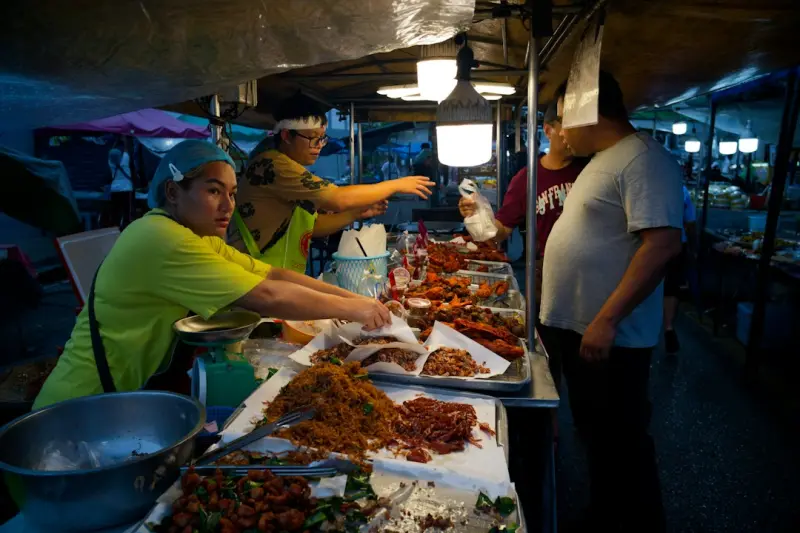
Flavor Trails: Mapping Local Cuisine on Your Travels
Explore the concept of flavor trails—using food maps to guide travel, deepen cultural immersion, a... Read More
Travel‑Infused Innovation: Turning Journeys into Creative Power‑Ups
Learn to transform travel into a strategic advantage by using micro‑breaks, local micro‑communit... Read More
Top Posts

Hydration Hacks: Fueling Remote Brainpower and Wellness
A deep dive into how intentional water intake can sharpen cognition, elevate mood, and improve overall health for remote workers, with actionable habits and tea...Read More

Crafting Cohesive Brand Stories: The Power of Narrative Mapping in Digital Marketing
Learn why building a narrative map is essential for seamless brand storytelling across platforms, and how to implement it for lasting impact....Read More

Digital Detox Strategies for High‑Performance Professionals
Explore a step‑by‑step digital detox framework that helps high‑performing professionals reduce eye strain, improve sleep, and regain mental clarity withou...Read More
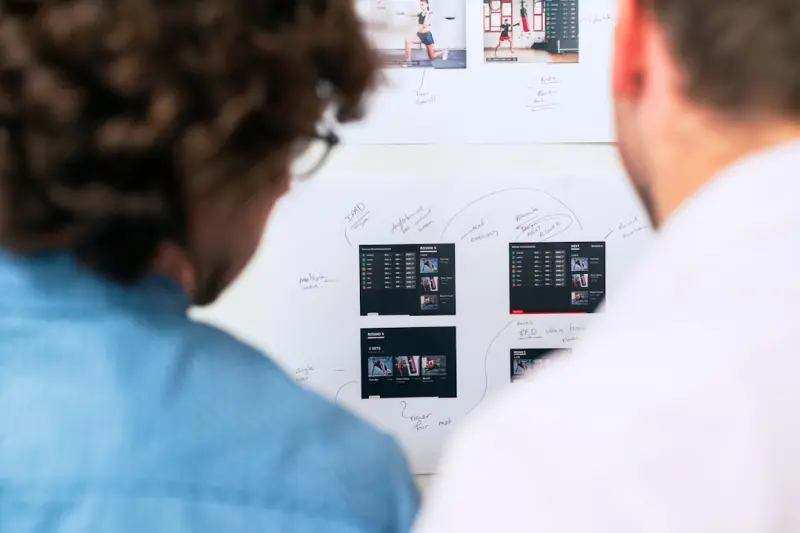
From Clicks to Conversations: Rethinking B2B Digital Marketing
In this post, Michelle Fisher explores the shift from click‑driven tactics to conversation‑first strategies in B2B SaaS, offering practical steps, new metri...Read More
0 Comments
Post Comment
You will need to Login or Register to comment on this post!