
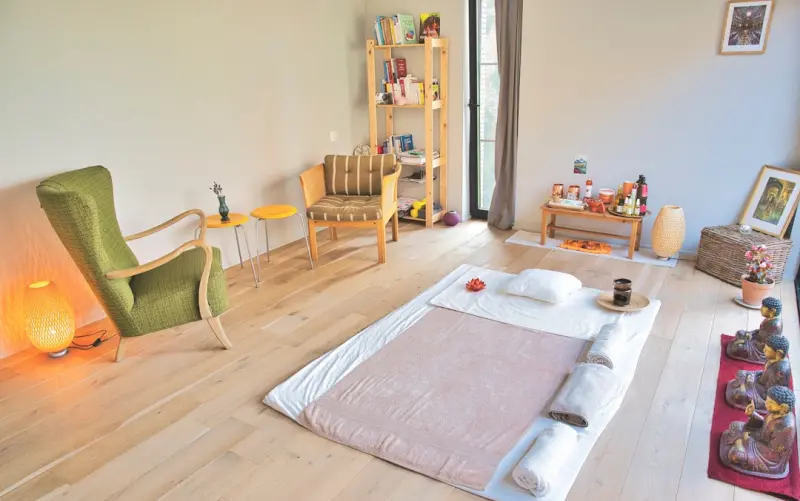
Welcome to Your Personal Sensory Sanctuary
When I first walked into my new apartment, I felt an odd mix of excitement and anxiety. The space was a blank canvas, but it also whispered “what now?” I quickly learned that a home isn’t just four walls; it’s an orchestra of sights, sounds, textures, and scents that can either energize you or drain you. Over the past few years I’ve experimented, failed, and finally cracked the code for turning any room into a sensory sanctuary that supports focus, creativity, and calm—all without a massive budget or a design degree.
Why a Sensory Sanctuary Matters
Our brains are wired to respond to environmental cues. A well‑designed environment can reduce cortisol, improve mood, and even sharpen problem‑solving abilities. Think of it as the difference between studying in a noisy coffee shop versus a quiet nook with a soft lamp and a gentle hum of background sound. The latter isn’t just “nice”; it’s a productivity catalyst.
In the age of remote work and endless digital notifications, the home has become the primary workplace, the gym, and the refuge. By consciously curating the sensory elements in your space, you gain control over how you feel each day. The result? Less decision fatigue, more intentional moments, and a home that feels like a supportive partner rather than a demanding roommate.
Step 1: Light the Way—Natural & Artificial Harmony
Light is the most powerful lever you have. Morning sunlight floods the brain with serotonin, while harsh fluorescent bulbs can trigger eye strain. Here’s how to strike a balance:
- Maximize daylight. Position your desk or favorite reading chair near a window. If privacy is a concern, sheer curtains let light in while preserving modesty.
- Layer your lighting. Combine ambient ceiling lights, task lighting (like a sleek desk lamp), and accent lights (LED strips or floor lamps) to create depth.
- Embrace warm temperature LEDs. Bulbs in the 2700‑3000 K range mimic sunset tones and are easier on the eyes during evening work sessions.
For a quick win, swap out your standard desk lamp for a nature‑infused desk idea that integrates a small planter or a wood veneer base. It instantly bridges the gap between artificial lighting and natural inspiration.
Step 2: Curate Your Soundscape
Sound can either be a hidden hero or a silent saboteur. While total silence may seem ideal, a subtle, pleasant background hum can mask disruptive noises (traffic, neighbor’s TV) and keep the brain in a relaxed, focused state.
- White or pink noise. Apps like Noisli or simple fans provide a steady sound that drowns out spikes.
- Nature recordings. Ocean waves, rainforest chirps, or distant thunder create a calming ambience.
- Ambient music. Low‑tempo instrumental playlists (classical, lo‑fi, ambient electronica) work wonders for sustained concentration.
If you’re skeptical, try a ambient soundscape for home tranquility. Start with 15‑minute sessions and notice how your focus deepens.
Step 3: Invite the Outdoors In
Biophilia—the innate human love for nature—has been proven to reduce stress and improve cognitive function. You don’t need a sprawling garden; a few strategic touches can make a huge difference.
- Plants. Low‑maintenance varieties like snake plant, pothos, or ZZ plant thrive in low light and purify the air.
- Natural textures. Incorporate wicker baskets, jute rugs, or a reclaimed‑wood side table.
- Organic scents. A small diffuser with essential oils like lavender or eucalyptus can shift the room’s mood within minutes.
My favorite trick is the “one‑plant‑per‑zone” rule: a tiny succulent on your bedside table, a taller fiddle‑leaf fig near the living area, and a hanging fern above the kitchen island. This visual rhythm reminds your mind that you’re connected to something larger than four walls.
Step 4: Tactile Comfort—The Power of Touch
We often overlook how much our hands and feet tell our brains about comfort. Soft throws, plush cushions, and ergonomic mats can transform a hard chair into a welcoming throne.
- Layer textiles. A cozy knit blanket draped over a sofa invites you to unwind; a woven rug under your desk cushions the cold floor.
- Ergonomic accessories. Wrist rests, footrests, and seat cushions reduce physical strain during long work sessions.
- Temperature control. Keep a small heated pad or a cooling gel pillow within reach for seasonal comfort.
Investing a few dollars in high‑quality, tactile pieces pays off in reduced fatigue and increased productivity.
Step 5: Scent‑Driven Mood Shifts
Our sense of smell is directly linked to the limbic system—the part of the brain that governs emotion and memory. A well‑chosen scent can signal “focus mode” or “relaxation mode.”
- Focus scents. Peppermint, rosemary, and citrus boost alertness.
- Relaxation scents. Lavender, chamomile, and sandalwood calm the nervous system.
- Seasonal rotation. Swap scents with the seasons to keep the environment fresh and your olfactory system engaged.
For an effortless approach, use a reed diffuser with interchangeable essential oil blends. A quick flip of the bottle, and you’ve set the tone for the next few hours.
Step 6: Declutter with Intentional Zones
Clutter is visual noise that competes with the sensory harmony you’re building. Rather than a blanket “tidy‑up,” I advocate for “zone‑based decluttering.” Define distinct functional areas—work, rest, nourishment, and play—and keep only what belongs in each.
- Work zone. Store pens, notebooks, and tech accessories in drawer organizers or a sleek caddy.
- Rest zone. Keep the bedside free of screens; use a small tray for a book, a glass of water, and a calming candle.
- Kitchen nook. Use clear containers for pantry staples; label them for quick visual identification.
- Play zone. Allocate a basket for games, puzzles, or craft supplies—everything that sparks joy.
When each zone has a clear purpose, your mind receives a subtle cue: “Now I’m working,” “Now I’m relaxing.” This mental switch reduces the cognitive load of deciding what to do next.
Step 7: Personalize with Meaningful Objects
Finally, sprinkle in items that tell your story. A framed travel photo, a handmade ceramic mug, or a vintage record player doesn’t just look good; it evokes positive memories that reinforce a sense of belonging.
When I placed a small seashell collection on my windowsill, I instantly felt a wave of calm during stressful workdays. The key is to choose objects that spark genuine joy—not just “Instagram‑worthy” décor.
Putting It All Together—A Day in the Sanctuary
Imagine waking up to gentle sunrise light filtered through sheer curtains. You roll out of a breathable linen sheet, inhale a faint whiff of citrus from a diffuser, and step onto a soft, textured rug. As you brew coffee, a low‑key ambient playlist drifts from a smart speaker, masking the city’s distant hum.
At your desk, the nature‑infused desk set‑up showcases a thriving pothos, a reclaimed‑wood keyboard tray, and a warm LED lamp. The background soundscape—soft rain—keeps you in a flow state, while a peppermint essential oil subtly stimulates alertness.
Mid‑day, you transition to the living area, sink into a plush sofa, and let the scent of lavender guide you into a brief meditation. The plant corner provides a visual pause, reminding you to breathe. After lunch, you return to work with a refreshed mindset, thanks to the intentional sensory cues you’ve woven throughout your day.
By the evening, the lights dim to a warm amber hue, a calming playlist replaces the rain, and you curl up with a novel under a knit throw. The sanctuary you built doesn’t just look beautiful; it orchestrates a rhythm that supports your mental, emotional, and physical well‑being.
Quick Checklist for Your Own Sensory Sanctuary
- Maximize natural light; add layered artificial lighting.
- Introduce a subtle, pleasant soundscape.
- Incorporate at least three living plants.
- Layer textures: rugs, throws, cushions.
- Use scent strategically—focus and relaxation blends.
- Define functional zones and declutter each.
- Display personal, meaningful objects.
Start with one or two items from this list, then iterate. Your sanctuary will evolve alongside you, becoming a living, breathing extension of your best self.

Related Posts

Seasonal Scenting: Transform Your Home Into a Sensory Sanctuary
Discover the art of seasonal scenting with natural, DIY-friendly recipes that enhance mood, improve ... Read More

Breathe Easy: A Practical Guide to Boosting Indoor Air Quality at Home
Discover practical, budget-friendly strategies to enhance the air you breathe at home, from natural ... Read More

Smart Home Hacks for the Busy Professional
A comprehensive guide to transforming your living space into a productivity‑friendly sanctuary, fe... Read More
Top Posts

Acoustic Mastery at Home: Simple Hacks to Tame Noise and Boost Focus
Learn how to transform your living space into a quiet, productivity‑boosting haven with simple acoustic upgrades, DIY panels, smart tech, and behavioral trick...Read More

How Google’s Edge Cloud Is Redefining Real‑Time SaaS Experiences
Google’s Edge Cloud brings compute closer to users, slashing latency and enabling real‑time SaaS features. Learn a step‑by‑step playbook to migrate work...Read More
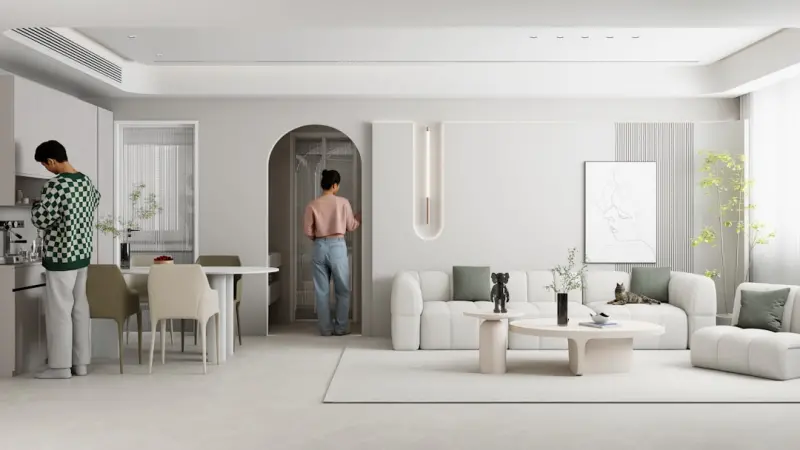
Unlock Hidden Comfort: Everyday Home Tweaks That Transform Your Space
Explore practical, low‑cost adjustments—from light and scent to smart tech—that instantly elevate comfort and style in any home. Small changes, big impact...Read More

Zero‑Party Data: The Future‑Proof Strategy Brands Can’t Ignore
Zero‑party data lets consumers share preferences willingly, giving marketers a compliant, high‑quality insight source that fuels personalized experiences an...Read More
0 Comments
Post Comment
You will need to Login or Register to comment on this post!