
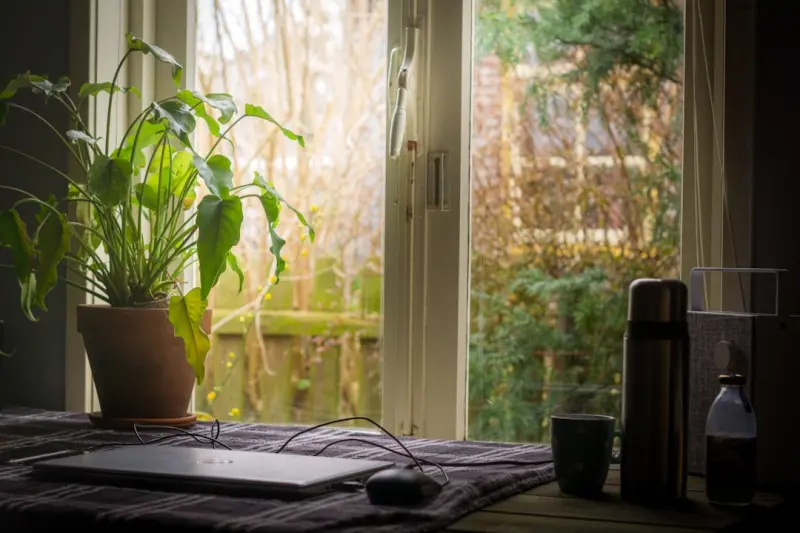
Ever walked into your living room after a long day and felt like the space itself was giving you a silent, unspoken "you’re still on the clock" vibe? I’ve been there—my own kitchen counter turned into an impromptu inbox, my bedroom lighting resembling a fluorescent office, and my home office humming with the low‑level buzz of distractions. The good news? You don’t need a full‑blown renovation or a pricey interior designer to flip that script. With a few intentional, low‑effort tweaks you can turn any room into a genuine sanctuary that supports the life you want to live, not the one that sneaks up on you.
The Power of Micro‑Zones: Think Like a City Planner, Not a Homeowner
When I first started mapping out my home improvement list, I kept thinking in terms of whole‑room makeovers. That quickly became overwhelming—paint colors, furniture layouts, lighting plans—each decision felt like a mini‑project with its own deadline. Then I borrowed a concept from urban design: micro‑zones. Instead of overhauling a whole space, break it down into functional pockets, each with its own purpose, mood, and set of rules.
- Focus Nook—A small corner dedicated solely to deep work or reading.
- Recharge Alcove—A plush seat, soft lighting, and a scent that signals downtime.
- Transition Hub—The entryway or hallway that helps you mentally shift from “outside” to “inside.”
By treating each pocket as a mini‑city, you can apply targeted upgrades that collectively transform the whole home without the chaos of a full remodel.
1. Crafting a Focus Nook That Actually Helps You Concentrate
Most people assume a “home office” is just a desk by a window. In reality, focus is less about the furniture and more about the subtle cues that tell your brain it’s time to work. Here’s how to build a pocket that triggers concentration:
- Define the Boundary—Use a rug, a low bookshelf, or even a portable room divider to visually separate the nook from the rest of the room.
- Control Light Temperature—Cool, bluish light in the morning boosts alertness, while warmer tones in the afternoon prevent eye strain. A simple LED desk lamp with adjustable color temperature does the trick.
- Minimize Visual Clutter—Keep only the tools you need within arm’s reach. A clean surface reduces cognitive load.
- Introduce a “Start‑Signal”—A small ritual, like turning on a specific playlist or lighting a scented candle, signals to your brain that it’s time to switch modes. This is a concept I borrowed from Micro‑Detox at Work: Tiny Rituals for Big Energy, which emphasizes tiny, repeatable actions to shift mental states.
When you step into this micro‑zone, the world outside fades, and you’re primed for focus. The key is consistency—use it daily and let the environment train your brain.
2. The Recharge Alcove: A Mini‑Retreat in Your Living Room
Most homes have a couch that doubles as a TV station, a dining table, and an impromptu office. Instead of letting that multifunctionality drain your energy, carve out a dedicated “recharge” pocket. It doesn’t have to be a separate room; a single chair with the right accessories can become a power‑down sanctuary.
- Seat Selection—Choose something that supports good posture but feels indulgent. Think a plush armchair with a slight recline.
- Ambient Lighting—Warm, dimmable lights or a soft floor lamp create a calming glow. Avoid harsh overhead fixtures.
- Soundscape—A small Bluetooth speaker playing low‑volume ambient sounds (rain, forest, distant waves) can lower cortisol. If you prefer silence, consider Invisible Comfort: Simple Upgrades for Air, Light, and Sound at Home for tips on acoustic enhancements.
- Digital Boundaries—Keep devices out of reach or on “do‑not‑disturb” mode. This is your sanctuary, not a scrolling zone.
Spend at least 10–15 minutes in this alcove after a work session or before bedtime. The result? A measurable dip in heart rate and a clearer mental slate for the next task.
3. Transition Hub: The Art of the Home Arrival Ritual
Crossing the front door should feel like stepping onto a stage, not a hallway of stress. The transition hub is your personal “buffer zone” that helps you shed the external grind and welcome home mode.
- Shoes & Bags Station—A stylish bench with a shoe rack and hooks for bags keeps the entryway tidy and signals that you’re leaving the outside world behind.
- Lighting Cue—Install a motion‑sensor light that switches from bright to warm as you approach, gradually easing you into a softer atmosphere.
- Mini‑Greenery—A small potted plant or a vase of fresh flowers adds a touch of nature, instantly improving mood and air quality.
- Mindful Moment—Take a breath, place your keys in the bowl, and say a quick mental note of gratitude. It’s a micro‑ritual that can reset your mindset.
When this hub works, you’ll notice the difference the moment you step inside: the mental chatter quiets, and you feel a gentle invitation to relax.
4. Re‑thinking Storage: The “Invisible Closet” Method
Clutter is the silent assassin of calm. Traditional closets often become black holes where items disappear, only to resurface in chaotic piles. The “invisible closet” approach flips this on its head by making storage itself a design element, not an afterthought.
- Transparent Bins—Clear containers let you see what’s inside at a glance, reducing the time spent digging.
- Labeling with Visual Icons—Instead of text, use icons (e.g., a fork for kitchen utensils) for quick identification.
- Vertical Utilization—Install floating shelves that run to the ceiling, turning unused vertical space into functional storage.
- Dual‑Purpose Furniture—Ottomans with hidden compartments or coffee tables with drawers keep everyday items out of sight while staying accessible.
This method not only declutters your visual field but also reduces the mental load of “where did I put that?”
5. Light as a Wellness Tool: Beyond Brightness
Light is more than illumination; it’s a hormone regulator. While the Invisible Comfort guide touches on lighting basics, let’s dig a little deeper into the science of circadian rhythm and how to harness it without buying a whole new lighting system.
- Morning Sunburst—Open curtains immediately upon waking to let natural light flood the room. If you lack windows, a sunrise simulation lamp can mimic the effect.
- Mid‑Day Boost—Position your work desk near a source of natural light. Even indirect daylight helps maintain alertness.
- Evening Wind‑Down—Swap bright LEDs for amber or red bulbs after sunset. These wavelengths have minimal impact on melatonin production.
- Layered Lighting—Combine ambient, task, and accent lighting to create a versatile environment that can adapt to different activities throughout the day.
These tiny adjustments align your indoor environment with the body’s natural rhythms, improving sleep quality and daytime energy.
6. The Digital Detox Corner: A Counterbalance to Screen‑Heavy Living
We all know the temptation of scrolling through phone feeds while lounging on the couch. But that habit spikes stress hormones and fragments attention. Creating a designated “digital detox corner” helps you reclaim mental bandwidth.
- Physical Separation—Pick a spot in the house where you deliberately leave phones, tablets, and laptops out of reach.
- Analog Activities—Stock it with books, sketchpads, a puzzle, or a musical instrument. The goal is to engage the brain in a non‑digital way.
- Timer Technique—Set a timer for 15‑minute intervals of pure analog focus. As you get comfortable, extend the duration.
- Mindful Presence—Use this space for short meditation or breathing exercises, reinforcing a habit of intentional downtime.
By physically removing the digital temptation, you give yourself permission to unwind without guilt. This practice mirrors the principles found in Digital Overload: A Health‑First Playbook for SaaS Leaders, where intentional breaks are key to sustained productivity.
7. Temperature Tuning: Comfort Without the Energy Bill Spike
Temperature often sits in the background, unnoticed until it becomes uncomfortable. Small, strategic adjustments can make a big impact on comfort while keeping utility costs low.
- Zoned Thermostats—If you have a programmable thermostat, set different temperatures for occupied versus unoccupied zones.
- Window Treatments—Heavy curtains in winter and reflective blinds in summer help regulate indoor temperature without cranking the HVAC.
- Strategic Fans—A portable floor fan positioned near a window can pull in cooler air at night, reducing reliance on air conditioning.
- Rug Insulation
These tweaks are subtle but cumulative, creating a consistently comfortable environment that feels intentional rather than accidental.
8. Scent as a Subtle Mood Architect
While sound and light get most of the attention, scent is a powerful yet under‑utilized tool for shaping atmosphere. A few carefully chosen aromas can shift a room’s emotional tone within seconds.
- Lavender for Calm—Ideal for bedrooms or meditation corners.
- Citrus for Energy—Great in kitchens or workspaces.
- Woodsy Notes for Focus—Sandalwood or cedar can enhance concentration in a study nook.
- Natural Diffusers—Use essential oil diffusers or simple simmer pots (water, rosemary, orange peel) for a chemical‑free approach.
The key is consistency; a familiar scent creates a Pavlovian association that instantly cues the desired mood.
9. Personalizing with Meaningful Objects
Home decor often defaults to generic “trendy” pieces that don’t resonate. Instead, curate items that tell your story—a travel souvenir, a handwritten note, or a family photo. These personal artifacts act as emotional anchors, reminding you of purpose and joy whenever you pass by.
- Rotate Displays—Swap out a few pieces each season to keep the environment fresh.
- Story Tags—Attach a small tag describing why the object matters; it becomes a conversation starter and a reminder of values.
When your surroundings reflect who you are, you naturally feel more at ease and motivated.
10. The “One‑Touch” Maintenance Routine
Even the best‑designed spaces can devolve into chaos if upkeep feels burdensome. The secret is to reduce maintenance friction to a single, simple action.
- Morning Sweep—Spend 3 minutes each morning putting items back in their designated micro‑zones.
- Evening Reset—Before bed, turn off all lights, close curtains, and ensure the recharge alcove is ready for the next day.
- Weekly “Deep‑Touch”—Pick one hour each weekend for a quick declutter, dusting, and checking that storage solutions still work.
By making the routine as effortless as possible, you keep the environment in a state of continuous, low‑effort harmony.
Putting It All Together: A Sample Day Using Micro‑Zones
To illustrate how these concepts interlock, here’s a snapshot of a typical weekday using the micro‑zone framework:
- 6:30 am – Sunrise Light Burst: Pull back curtains, let natural light flood the focus nook. Brew coffee while the kitchen’s citrus scent fills the air.
- 7:00 am – Transition Hub Ritual: Place keys on the entryway hook, take a deep breath, and mentally note three things you’re grateful for.
- 7:30 am – Work Session: Sit in the focus nook, turn on the cool‑tone lamp, cue the “focus playlist” (your start‑signal), and dive into tasks.
- 10:00 am – Micro‑Detox Break: Walk to the recharge alcove, dim the lights, play a soft rain soundscape, and sip tea—no screens.
- 12:30 pm – Lunch Reset: Use the transition hub to switch modes, step outside for a brief walk, and return to the home with a refreshed mindset.
- 3:00 pm – Energy Boost: Adjust the lamp to a warmer tone, open a window for fresh air, and continue work with renewed focus.
- 5:30 pm – Evening Wind‑Down: Dim lights to amber, switch on the lavender diffuser, and settle into the recharge alcove for a book.
- 9:00 pm – Nightly Reset: Turn off all electronics, ensure the digital detox corner is clear, and lock the entryway for a calm night’s sleep.
This rhythm isn’t rigid; it’s a flexible scaffolding that you can adapt to your own schedule and preferences. The magic lies in the consistency of cues that guide your brain from one mode to another, allowing you to thrive in each micro‑zone without feeling fragmented.
Final Thought: Home as a Living, Adaptive System
Think of your home not as a static backdrop but as an active participant in your wellbeing. By carving out micro‑zones, curating sensory cues, and establishing low‑effort rituals, you transform ordinary rooms into purposeful environments that support focus, relaxation, and everything in between. The best part? Most of these upgrades require minimal budget, a dash of creativity, and a willingness to experiment.
Start small—pick one micro‑zone, apply a single tweak, and observe the change. As the benefits compound, you’ll find yourself naturally extending the practice throughout the house, building a home that feels less like a place you endure and more like a place you genuinely love to live in.

Shawn DesRochers is a certified Microsoft technician and Programmer with 30+ year's experience. He has written many reviews on computer related products, software, and SEO related topics. When he's not writing reviews he can be found at one of the Oldest Directories Online Business Directory USA which he is the CEO of.
Related Posts

Transform Your Home Into a Dynamic Living Lab
Learn how simple lighting, acoustic tweaks, and multi‑task furniture can turn ordinary rooms into ... Read More
Crafting a Sensory Sanctuary at Home: A Practical Guide
Discover step‑by‑step ways to transform any room into a sensory sanctuary, using light, sound, n... Read More

Smart Kitchen Organization: Turn Your Cooking Space into a Seamless Command Center
Learn how to create a streamlined kitchen with smart zones, budget‑friendly upgrades, and subtle t... Read More
Top Posts

The Hidden Joy of Train Travel: Turning Transit into Destination
Train travel is more than transportation; it's a sustainable adventure that blends technology, wellness, and cultural immersion for modern explorers....Read More

Conversational Commerce: Turning B2B Chat into Real Relationships
Karen Edwards shares how modern conversational tools turn static B2B interactions into dynamic, relationship‑building experiences, delivering quicker pipeline...Read More

Google Cloud’s Generative AI: The Quiet Engine Behind B2B SaaS Innovation
Google Cloud’s generative AI is moving from a marketing headline to a core SaaS capability. This post walks through practical patterns, cost controls, and gov...Read More

Why Edge Computing Is the Unsung Hero of Modern SaaS
Edge computing is transforming SaaS by slashing latency, cutting bandwidth costs, and meeting data residency rules. This article outlines the benefits, architec...Read More
0 Comments
Post Comment
You will need to Login or Register to comment on this post!