

In the relentless churn of notifications, dashboards, and back‑to‑back video calls, many of us have become unwitting participants in a marathon of digital overload. The symptoms are subtle at first—sluggish focus, an inexplicable sense of dread when the inbox pings—but they snowball into chronic fatigue, decision‑making paralysis, and even burnout. As someone who spends a good portion of the day curating content for SaaS leaders, I’ve watched the same pattern repeat across teams, departments, and entire organizations. It’s time we treat digital overload not as a fleeting inconvenience, but as a core health challenge that demands the same rigor we apply to any other business metric.
Why Digital Overload Is a Health Issue, Not Just an IT Problem
Most tech leaders frame the deluge of alerts, messages, and data streams as a productivity problem. The reality is far richer—and scarier. Prolonged exposure to high‑frequency digital stimuli triggers the body’s stress response: cortisol spikes, heart‑rate variability drops, and the brain’s default‑mode network stays on standby. In the same way that exposure to loud noise can degrade hearing, constant digital noise can erode our cognitive “hearing.” The result is reduced mental bandwidth, impaired memory consolidation, and a weakened ability to regulate emotions.
Research from cognitive neuroscience labs shows that multitasking between apps reduces overall efficiency by up to 40%, and each context switch can cost the brain an average of 23 seconds to re‑orient. Multiply that by dozens of switches per hour, and you’re looking at a massive loss of productive, high‑quality work time—plus an unseen toll on mental health.
The Anatomy of Digital Fatigue
- Visual Strain: Staring at screens for extended periods triggers dry‑eye syndrome, blurry vision, and headaches. The blue light emitted by devices also interferes with melatonin production, delaying the onset of sleep.
- Information Overload: The brain’s working memory can hold roughly seven discrete items at once. When we flood it with endless data points, we saturate our mental “short‑term buffer,” making it harder to prioritize and retain important information.
- Social‑Media Anxiety: The dopamine loop built into notification systems hijacks the brain’s reward pathways, creating a compulsive need to check for updates—often at the expense of deep work.
- Decision Fatigue: Every notification is a micro‑decision. Over time, the cumulative effect reduces the quality of larger, strategic decisions, leading to “analysis paralysis.”
From Awareness to Action: A Four‑Step Framework
To combat digital fatigue, leaders must embed health‑centric habits into the fabric of daily operations. Below is a pragmatic, four‑step framework that blends neuroscience, SaaS tooling, and cultural change.
1. Diagnose Your Digital Pulse
Start with data. Use analytics platforms to track metrics such as average notification volume per employee, time‑to‑first‑response, and the frequency of “out‑of‑office” overrides. A simple dashboard that visualizes these signals can be the first line of defense—much like a health monitor for a patient. When you spot spikes, you’ve identified hotspots that warrant immediate attention.
2. Redesign Communication Architecture
Just as we moved from monolithic codebases to composable micro‑services, it’s time to modularize our communication channels. Separate “urgent” alerts (e.g., system outages) from “informational” updates (e.g., weekly newsletters). Assign each tier a distinct delivery method—push notifications for emergencies, digests for non‑critical updates. This reduces the cognitive load associated with constantly scanning for the next priority.
For teams that rely heavily on Slack or Teams, consider setting up micro‑movement break reminders that are triggered after a defined number of messages. The goal isn’t to micromanage but to give the brain a predictable pause, allowing it to reset.
3. Institutionalize “Digital Hygiene” Rituals
Think of digital hygiene the way you think of dental hygiene—non‑negotiable, routine, and evidence‑based. Here are three rituals that can become part of your company’s daily cadence:
- Inbox Zero Mornings: Allocate the first 15 minutes of the day to triage email, categorizing each item as “action,” “delegate,” or “defer.” This creates a clean slate for deep work.
- Screen‑Free Lunches: Encourage employees to step away from screens for at least 30 minutes. Use this time for walking meetings, mindfulness, or simply eating without digital distraction.
- Evening Wind‑Down: Implement a “tech curfew” where all work‑related notifications are muted an hour before bedtime. Pair this with sleep optimization tips to improve recovery.
4. Measure, Iterate, and Celebrate
Health interventions thrive on feedback loops. Set up quarterly surveys that ask employees to rate perceived digital stress, focus, and overall well‑being. Combine self‑reported data with objective metrics from your communication dashboards. Celebrate wins—whether it’s a 20% reduction in average notification volume or a measurable uptick in deep‑work hours.
Tools That Can Help, Not Distract
There’s a paradox in using SaaS tools to reduce digital fatigue: the very platforms we rely on can become the source of overload. The key is to select solutions that are built with “focus‑first” design principles:
- Context‑Aware Notification Filters: Platforms that allow you to set “focus windows” and automatically batch non‑urgent alerts into a digest.
- Unified Communication Hubs: Instead of hopping between multiple chat apps, a single hub that integrates email, messaging, and task management can drastically cut context‑switching.
- Analytics‑Driven Insights: Tools that surface patterns—like “you receive the most notifications between 10 am and 11 am”—help you proactively reallocate attention.
When evaluating a new tool, ask yourself: Does it help me reduce my digital load, or does it simply add another channel to monitor? If the answer leans toward the latter, it’s a red flag.
The Human Side: Leadership Modeling
Culture change starts at the top. Executives who constantly appear glued to their screens send a tacit message that perpetual connectivity is the norm. By modeling digital hygiene—turning off cameras during non‑essential meetings, scheduling “no‑meeting” blocks, and visibly respecting after‑hours boundaries—leaders set the tone for the entire organization.
Moreover, open conversations about digital fatigue destigmatize the experience. When a senior leader shares that they’re experimenting with a “no‑email Wednesday,” it signals that mental health is a legitimate business priority, not a personal indulgence.
Case Study: Turning Digital Overload into a Competitive Advantage
One mid‑size SaaS firm, let’s call them CloudPulse, faced a sharp decline in employee NPS (Net Promoter Score) alongside a rise in missed deadlines. Their internal audit revealed an average of 120 notifications per employee per day, with a 30% spike during product‑release weeks.
Using the four‑step framework above, CloudPulse implemented the following:
- Created a “Critical Alerts” channel that only senior engineers could post to during releases.
- Introduced a mandatory “focus hour” twice a day where all Slack notifications were silenced.
- Partnered with a wellness vendor to deliver ambient soundscape playlists that reduced perceived stress during focus hours.
- Tracked changes using a custom dashboard that logged average notification volume, deep‑work time, and employee well‑being scores.
Within three months, notification volume dropped by 38%, deep‑work hours increased by 22%, and employee NPS climbed 15 points. The most striking outcome? Product release cycles became 10% faster, illustrating that safeguarding cognitive health directly fuels business velocity.
Looking Ahead: The Future of Cognitive Health in SaaS
As AI continues to automate routine tasks, the premium will shift from doing more to thinking better. Organizations that invest now in digital wellness will have a workforce capable of higher‑order problem solving, creative ideation, and strategic foresight.
Imagine a future where your collaboration suite automatically detects when you’re entering a “cognitive overload” state—based on typing speed, eye‑tracking, and notification frequency—and proactively suggests a micro‑break or re‑routed alert. That’s not science fiction; it’s an emerging frontier in human‑centric SaaS design.
In the meantime, the actionable steps are within reach: audit your digital pulse, restructure communication flows, embed hygiene rituals, and measure outcomes. By treating digital overload as a core health metric, you’ll not only protect your team’s well‑being but also unlock a new source of sustainable growth.
Remember, health is not a side project—it’s the operating system on which every line of code, every sales call, and every customer interaction runs. Keep it optimized, and the rest follows.

Shawn DesRochers is a certified Microsoft technician and Programmer with 30+ year's experience. He has written many reviews on computer related products, software, and SEO related topics. When he's not writing reviews he can be found at one of the Oldest Directories Online Business Directory USA which he is the CEO of.
Related Posts

Micro‑Movements: Tiny Desk Exercises That Supercharge Health and Focus
Micro‑movements are brief, intentional motions you can do at your desk to break up sitting, boost ... Read More
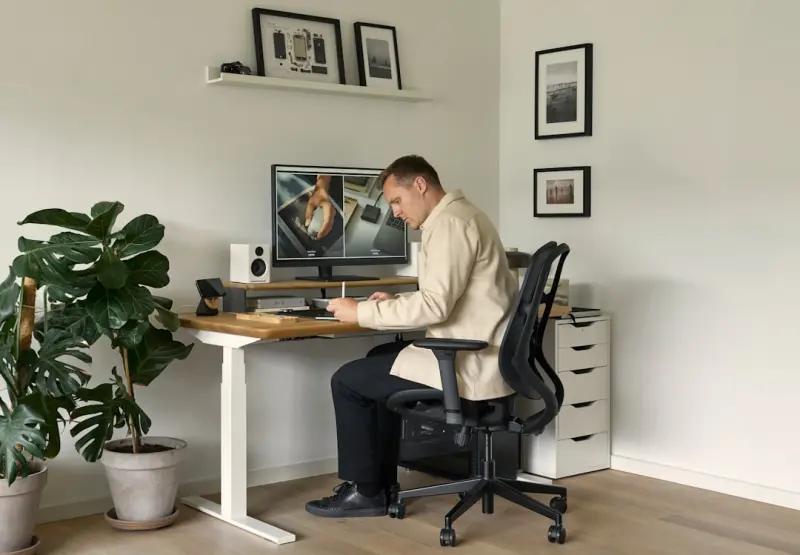
The Silent Power of Posture: Boosting Remote Team Resilience
A deep dive into why everyday posture matters for remote workers, practical micro‑adjustments, and... Read More

Forest Bathing for Remote Professionals: Rewilding Your Workday
Explore the science behind forest bathing, learn actionable steps to integrate nature into your remo... Read More
Top Posts
Riding Google’s AI Wave: A Marketer’s Personal Playbook
Explore a marketer’s hands‑on journey with Google’s AI, from pilot projects to a sustainable playbook, and learn how to turn AI insights into real growth....Read More

The Hidden Power of Travel‑Triggered Curiosity for Business Innovation
A travel‑driven curiosity mindset transforms unexpected moments on the road into actionable product insights, enriching marketing, design, and leadership for ...Read More
Riding Google’s 2024 AI Wave: Rose DesRochers’ Insider Perspective
Rose DesRochers shares an insider’s roadmap to navigating Google’s 2024 AI wave, blending strategic SEO tactics with ethical content practices for lasting s...Read More

Micro‑Adventures on the Move: Turning Everyday Travel into Mini‑Escapes
Discover practical hacks to transform ordinary travel—subways, flights, road trips—into intentional micro‑adventures, using curated soundtracks, nature cu...Read More
0 Comments
Post Comment
You will need to Login or Register to comment on this post!