
Why “Micro‑Detox” Is the New Must‑Do for Knowledge Workers
When I first stepped into the world of SaaS, the mantra was “move fast and break things.” That urgency still fuels innovation, but it also left a subtle, creeping fatigue that no amount of coffee could fix. I realized that the real breakthrough wasn’t a new feature or a larger stack—it was a habit, a micro‑detox ritual that could be done in the time it takes to brew a cup of tea.
Micro‑detox isn’t a buzzword; it’s a series of intentional, sub‑five‑minute actions that give the autonomic nervous system a chance to reset. The result? Sharper focus, steadier emotions, and a body that feels ready for the next sprint, not a wreck after the last one.
The Neuroscience Behind a Five‑Minute Reset
Our brains run on two primary systems: the sympathetic nervous system (the “fight‑or‑flight” engine) and the parasympathetic nervous system (the “rest‑and‑digest” brake). In a high‑tempo office or a remote desk, the sympathetic side is constantly revved, leading to chronic cortisol spikes, shallow breathing, and reduced cognitive bandwidth.
Research shows that as little as 30 seconds of controlled breathing, or a short shift in posture, can tip the balance back toward parasympathetic dominance. When this happens, heart‑rate variability (HRV) improves, the prefrontal cortex regains its executive function, and the brain’s default mode network gets a brief, restorative pause.
Five Proven Micro‑Detox Rituals You Can Deploy Right Now
- The 4‑7‑8 Breath Reset: Inhale through the nose for four counts, hold for seven, exhale slowly for eight. Repeat three cycles. This simple pattern stimulates the vagus nerve, instantly calming the nervous system.
- Desk‑to‑Floor Stretch: Stand, hinge at the hips, and place your hands on the floor (or a low desk). Hold for 30 seconds while letting the spine elongate. The change in gravity and posture triggers a release of tension in the lumbar and thoracic regions.
- Cold‑Water Face Splash: Splash cold water on your face or run a cold stream over your wrists for ten seconds. The sudden temperature change activates the dive reflex, which naturally slows the heart rate and boosts alertness.
- Digital Blink & Focus: Look away from screens and focus on an object at least 20 feet away for 20 seconds. Follow the “20‑20‑20” rule, but add a deliberate blink exercise—blink rapidly ten times before returning to the screen. This reduces digital eye strain and resets visual processing pathways.
- Micro‑Movement Walk: Walk to the kitchen, the hallway, or simply pace around your workspace for two minutes. The rhythmic motion encourages blood flow to the brain, delivering oxygen and glucose that fuel creative thinking.
Embedding Micro‑Detox Into Remote and Hybrid Cultures
In a remote environment, the temptation is to stay glued to the laptop, especially when video calls blur the line between work and personal time. To counteract this, I introduced a “detox bell” on our team calendar—an automated reminder that rings every two hours. When it chimes, we all pause for a chosen micro‑detox ritual.
For hybrid teams, the office can become a “detox zone.” Simple modifications—like a dedicated quiet corner with a plant, a small water feature, or a set of breathing cards—signal that a reset is not only allowed but encouraged. The key is consistency; the habit forms when the cue (the bell) and the action (the ritual) are paired repeatedly.
Measuring the Impact: From Subjective Feelings to Concrete Metrics
When I first rolled out micro‑detoxes, I tracked two main indicators:
- Self‑Reported Energy Levels: Team members rated their focus and fatigue on a 1‑10 scale before and after each workday. Over a month, the average score rose from 5.8 to 7.2.
- Productivity Benchmarks: By comparing ticket turnaround time and sprint velocity before and after implementation, we observed a 12% reduction in average resolution time.
These quantitative results align with the qualitative feedback: fewer “brain‑fog” moments and a noticeable lift in morale.
Common Pitfalls and How to Avoid Them
- Skipping the Reset Because You’re “Too Busy”: Treat the micro‑detox as a non‑negotiable meeting with yourself. It’s a 2‑minute investment that pays back in hours of uninterrupted focus.
- Choosing the Wrong Ritual: Not every technique works for everyone. Encourage experimentation—some may prefer the breath reset, others the cold splash.
- Over‑Structuring the Process: While a schedule helps, rigidity can backfire. Allow flexibility; the goal is to make the reset feel natural, not forced.
Micro‑Detox Meets Broader Health Strategies
Micro‑detox is a complement, not a replacement, for larger health initiatives. It dovetails nicely with a digital overload health‑first playbook for SaaS leaders, reinforcing the idea that mental bandwidth is a finite resource that needs regular clearing.
Moreover, the sensory environment plays a crucial role. While we focus on brief rituals, the surrounding ambience can either amplify or diminish their effectiveness. Incorporating subtle background sounds—like low‑frequency ambient tones—has been shown to enhance relaxation. For a deeper dive, see ambient soundscapes for workplace health, which explains how auditory design can boost the benefits of micro‑detox.
Scaling Micro‑Detox Across the Organization
Start small: pilot the program with a single team or department. Capture baseline data, iterate on the chosen rituals, and then expand. Use internal communication channels to share success stories, creating a ripple effect that normalizes short breaks as part of the company DNA.
Leadership buy‑in is essential. When executives visibly practice micro‑detoxes—perhaps during a live town hall—it signals cultural endorsement and encourages adoption at all levels.
Final Thoughts: A Tiny Habit That Transforms Big Outcomes
The paradox of high‑performance work is that you achieve more when you do less—or rather, when you strategically pause. Micro‑detoxes are the low‑effort, high‑return levers that can shift the entire health equation for knowledge workers. By giving the nervous system a chance to recalibrate, you unlock sharper cognition, steadier emotions, and a resilient body ready for the next challenge.
If you’ve been chasing the next big productivity hack, try the smallest one first. In the space of a coffee break, you might just discover a new level of sustainable energy.

Robert Mathews is a professional content marketer and freelancer for many SEO agencies. In his spare time he likes to play video games, get outdoors and enjoy time with his family and friends .
Related Posts

Embracing the Cold: How Ice Therapy Can Rewire Your Body and Mind
Dive into the science of cold therapy and learn simple, safe ways to use ice exposure for improved h... Read More

Scent‑Driven Success: How Aromatherapy Is Reshaping Workplace Health
A deep dive into the science and practical steps for using aromatherapy to improve employee well‑b... Read More

Why the Beat Matters: Drumming as a Modern Stress‑Relief Tool
Drumming isn’t just music; it’s a powerful, low‑impact practice that rewires stress pathways, ... Read More
Top Posts
Designing a Home Productivity Hub for Busy Lives
Learn how to create micro‑zones, optimize lighting, and integrate affordable ergonomics to turn any room into a focused, stress‑free productivity hub withou...Read More

The Sensory Passport: Turning Travel Moments into Creative Power
Explore a sensory‑focused travel approach that transforms ordinary trips into creative labs, helping business professionals generate fresh ideas and maintain ...Read More

AI‑Generated Micro‑Video Shorts: The New Engine for B2B Lead Nurturing
Micro‑video shorts created with generative AI are reshaping B2B digital marketing, delivering high‑engagement, personalized content that drives leads, accel...Read More
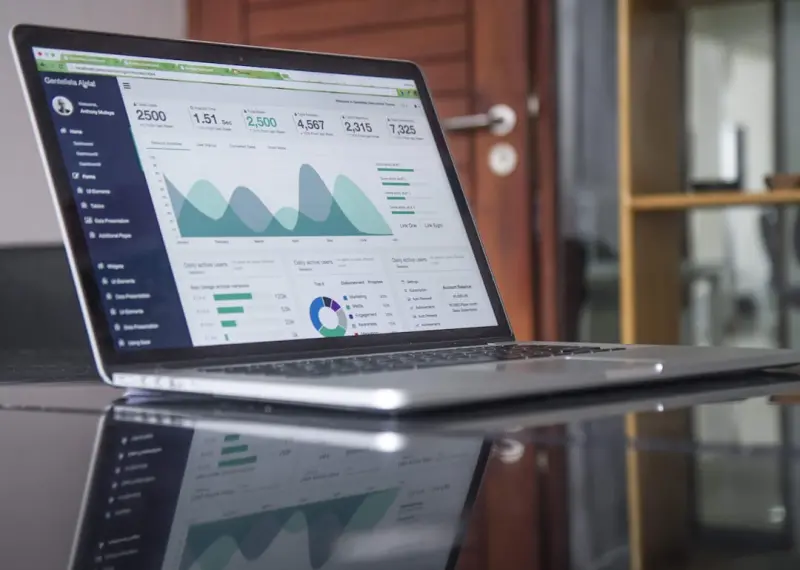
SEO for SaaS Feature Pages: Turning Technical Detail into Traffic Gold
Feature pages are often overlooked in SEO strategies, but they hold massive potential for attracting qualified leads. This post walks you through intent‑first...Read More
0 Comments
Post Comment
You will need to Login or Register to comment on this post!