
Invisible Comfort: How to Upgrade Your Home’s Air, Light, and Sound Without a Renovation
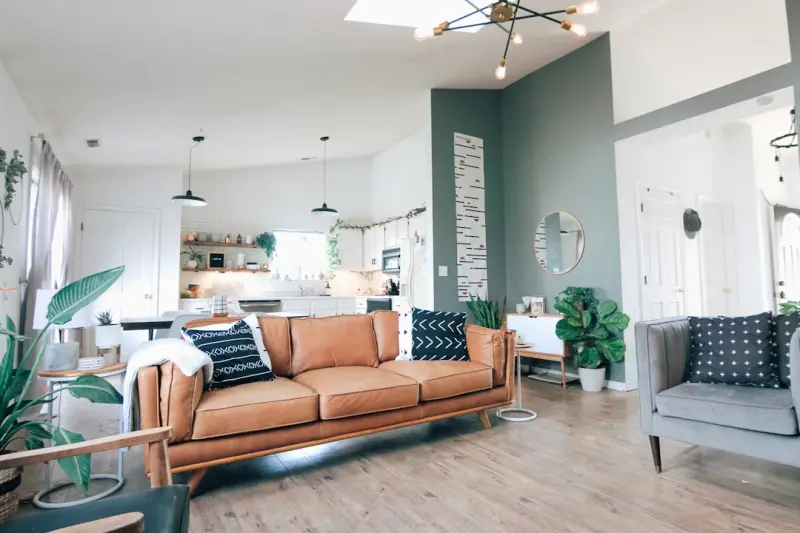
When I first moved into my downtown loft, the view was spectacular, the floor‑to‑ceiling windows flooded the space with natural light, and the open‑plan layout felt like a breath of fresh air. Yet, after a few weeks, the excitement faded into a subtle, nagging discomfort: the air felt stale, the light was either too harsh or too dim at different times of day, and the constant hum of traffic seeped through the glass like an unwanted soundtrack. I realized that true comfort isn’t just about the furniture you choose or the paint color on the walls—it’s the invisible qualities that shape how you experience your space day after day.
In this post, I’ll share a step‑by‑step guide to upgrading three invisible pillars of home comfort—air quality, natural lighting, and acoustic ambience—using low‑cost, low‑effort solutions that don’t require tearing down walls or hiring a contractor. Think of it as a “home‑hack” version of a professional interior upgrade, designed for busy professionals who want their sanctuary to work for them, not against them.
1. Breathe Easy: Boosting Indoor Air Quality on a Budget
Even the most stylish loft can become a breathing nightmare if the air is clogged with pollutants, allergens, and invisible chemicals. The good news? You don’t need an HVAC overhaul to clean up the atmosphere.
- Plants with a Purpose—Not all houseplants are created equal. Species like Spider Plant, Snake Plant, and Peace Lily are scientifically proven to absorb formaldehyde, benzene, and other volatile organic compounds (VOCs). Position one or two in high‑traffic zones (near the entryway, kitchen, and office nook) to create a natural air‑purifying network.
- DIY Activated‑Charcoal Filters—A simple bowl of activated charcoal placed on a shelf can attract odors and moisture. Replace the charcoal every three months for continual freshness.
- Ventilation Hacks—If you can’t open windows for security reasons, install a low‑noise, energy‑efficient exhaust fan in the bathroom or kitchen. Even a 5‑minute run after cooking or showering flushes out humidity and pollutants.
- HEPA‑Equipped Portable Purifiers—Modern portable air purifiers are surprisingly affordable. Look for units with a Clean Air Delivery Rate (CADR) appropriate for your room size, and ensure they include a true HEPA filter rather than a “HEPA‑type” filter.
When I added a small home tweak—a modest plant arrangement in my kitchen—I noticed a difference within days. The lingering smell of cooked onions dissipated quicker, and the overall “stuffiness” vanished. It’s a subtle change, but one that compounds over weeks, making your home feel healthier without a single wall being moved.
2. Harnessing Natural Light: From Glaring to Glowing
Light is the most dynamic element in any home. It influences mood, productivity, and even our circadian rhythm. Yet many of us either drown in harsh artificial light or suffer from dim, uninviting spaces. Below are three practical ways to master your home’s lighting without installing expensive skylights or smart lighting systems.
- Strategic Mirror Placement—Mirrors amplify natural light by reflecting it deeper into the room. Position a large mirror opposite a window to bounce light across the space. For a modern look, opt for frameless or thin‑bordered mirrors that double as decorative pieces.
- Sheer Window Treatments—Heavy drapes block sunlight and create a gloomy atmosphere. Swap them for light, sheer curtains that filter harsh rays while maintaining privacy. The result is a softer, diffused glow that feels inviting.
- LED Daylight Bulbs—When you need artificial light, choose LEDs with a color temperature of 5,000‑6,500 K—these mimic natural daylight and reduce eye strain. Pair them with dimmable switches to adjust brightness throughout the day, aligning with your natural energy peaks.
- Window Film—If glare is a problem—especially in home offices—apply a low‑tint, anti‑UV window film. It cuts down on heat gain, protects furniture from fading, and still lets ample light through.
In my own loft, I replaced a bulky blackout curtain with a light, linen sheer and added a floor‑standing mirror opposite the balcony. Suddenly, the space felt larger, the early‑morning sunlight lingered longer, and I stopped relying on a coffee‑shop’s “bright” ambiance to stay productive.
3. Soundscapes: Crafting Acoustic Comfort Without a Renovation
Sound is the silent partner in home comfort. Unwanted noise can raise stress levels, disrupt sleep, and even impair concentration. While some might think soundproofing requires thick insulation, there are clever, non‑invasive solutions that can dramatically improve acoustic quality.
- Soft Surfaces—Rugs, upholstered furniture, and heavy curtains absorb sound waves. A large, low‑pile rug in a living area can reduce echo and foot‑step noise, while plush throw blankets on chairs soften conversation tones.
- Acoustic Panels Made from Everyday Materials—Mount fabric‑covered foam panels (or even recycled denim) on walls where sound bounces most (above a TV, opposite a window). These panels are inexpensive, DIY‑friendly, and can be painted to match décor.
- White‑Noise Machines & Ambient Soundtracks—Consistent background noise can mask intrusive sounds. A ambient soundscape of gentle rain or soft instrumental music can turn a bustling city street into a tranquil backdrop.
- Door Draft Stoppers—Small gaps under doors let sound leak. Simple rubber or fabric draft stoppers plug these gaps, reducing hallway echo and bedroom disturbances.
After installing a few DIY acoustic panels behind my desk and placing a small white‑noise device on the nightstand, I noticed a measurable drop in distractions. My focus during evening work sessions improved, and my sleep quality sharpened—proving that acoustic comfort is a game‑changer for both productivity and rest.
4. Integrating the Three Pillars: A Holistic Approach
While each pillar—air, light, and sound—offers distinct benefits, the real magic happens when they’re addressed together. Here’s a quick checklist to ensure you’re creating a harmonious environment:
- Assess the Space—Walk through each room with a notebook. Note any odors, glare, echo, or drafty spots.
- Prioritize Quick Wins—Choose one improvement per pillar that’s easiest to implement (e.g., add a plant, swap curtains, place a rug).
- Layer Solutions—After the quick win, add secondary upgrades (e.g., install a portable purifier, hang a mirror, add acoustic panels).
- Monitor & Adjust—Give each change a week to settle. Re‑evaluate comfort levels and tweak as needed.
By treating your home as an ecosystem of invisible comforts, you’ll enjoy a space that supports your wellbeing, productivity, and peace of mind—all without the chaos of a full‑scale remodel.
5. Bonus: Tech‑Friendly Touches for the Modern Home
If you love gadgets, consider these tech‑light upgrades that stay low‑impact:
- Smart Air Quality Monitors—Devices like the Awair or Airthings give real‑time feedback on humidity, CO₂, and particulate matter, prompting you to ventilate or adjust purifiers.
- Bluetooth‑Enabled Light Strips—Place warm‑tone LED strips behind cabinets or under shelving to add ambient illumination that you can dim or color‑shift via a phone app.
- Voice‑Controlled Sound Systems—Use a smart speaker to schedule ambient sound playlists that start at bedtime, fostering a consistent sleep routine.
These tools are optional, but they blend seamlessly with the invisible upgrades we’ve discussed, giving you data‑driven insight and the ability to fine‑tune your environment with a simple voice command.
Conclusion: Comfort Is an Inside Job
Transforming a home’s invisible qualities is less about flashy renovations and more about thoughtful, incremental changes that respect both your lifestyle and your budget. By focusing on cleaner air, smarter light, and calmer sound, you create a sanctuary that not only looks good but also feels good—supporting your mental clarity, physical health, and overall happiness.
Next time you step into your living room, take a moment to breathe, observe the light, and listen to the soundscape. If something feels off, remember there’s a simple, low‑cost fix waiting just around the corner. Your home is already a masterpiece; these invisible upgrades are the final brushstrokes that turn a good space into a great one.

David Moore is a freelance writer specializing in two dynamic and ever-evolving fields: gambling and the tech industry. With a keen eye for detail and a knack for unraveling complex topics, David delivers insightful and engaging content that keeps readers informed and entertained.
Related Posts
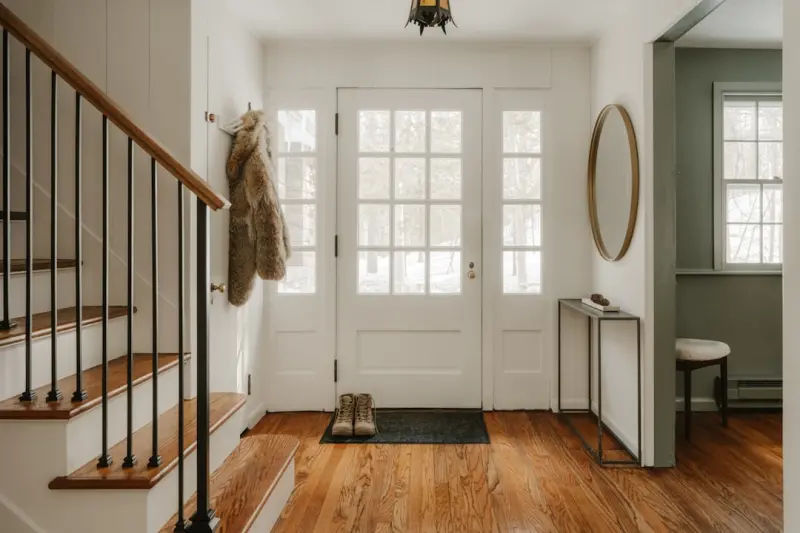
From Hallway to Hero: Turning Your Entryway into a Stylish Welcome Zone
A fresh take on entryway design shows how lighting, smart storage, seasonal swaps, and personal touc... Read More
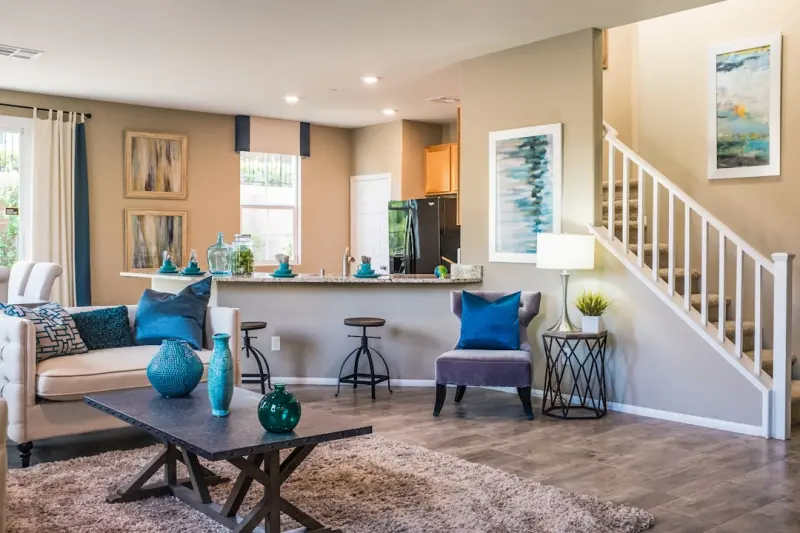
Transform Your Entryway into a Calm, Functional Sanctuary
Learn practical tips to turn a chaotic entryway into a serene, multi‑functional space that boosts ... Read More
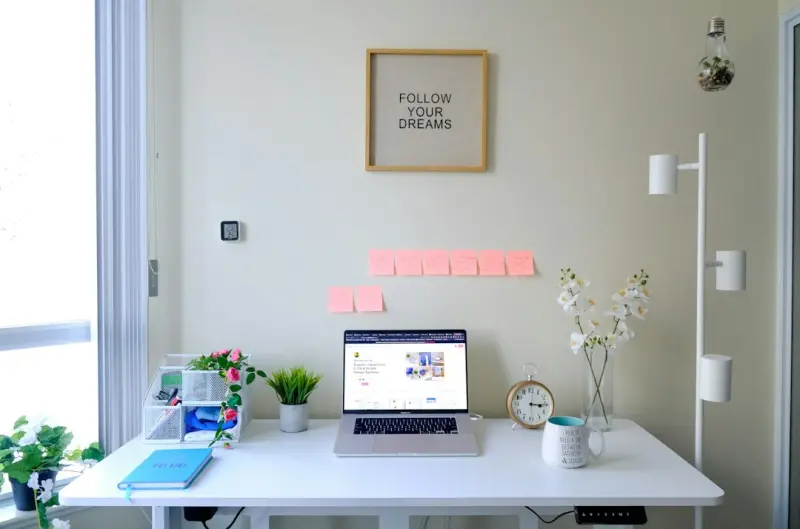
Designing a Home Productivity Hub for Busy Lives
Learn how to create micro‑zones, optimize lighting, and integrate affordable ergonomics to turn an... Read More
Top Posts

Composable SaaS Architecture: How Modular Design Is Redefining Cloud Products
Composable SaaS architecture transforms monolithic platforms into modular, interchangeable services, enabling faster innovation, scalable teams, and new busines...Read More

Harnessing Natural Light for Health and Productivity
Learn why natural light is a powerful health tool, how to redesign your workspace, integrate movement, and use wearables to maximize productivity and well‑bei...Read More

Playful Loyalty: Turning Rewards into an Engaging Game
Learn why turning loyalty into a game boosts engagement, builds community, and drives revenue—plus practical steps to launch your own gamified program....Read More

Riding the Google AI Wave: Insights, Strategies, and the Human Touch
Explore practical tactics, metric insights, and a personal journey of turning skepticism into advocacy while mastering Google’s AI tools for sustainable marke...Read More
0 Comments
Post Comment
You will need to Login or Register to comment on this post!