
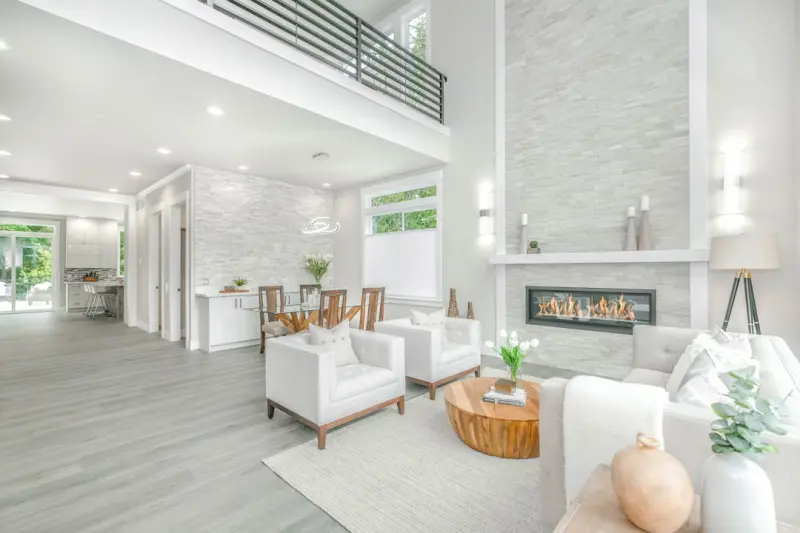
Reimagining the Everyday: Turning Routine Rooms into Adaptive Spaces
When I first stepped into my cramped studio, I felt the walls pressing in like an unspoken deadline. Instead of accepting the limitations, I asked myself: what if each square foot could pivot between tasks with minimal effort? That question sparked a series of low‑key experiments—swapping a lamp for a floor‑standing LED, folding a wall‑mounted desk into a nightstand, and treating the ceiling as a canvas for mood lighting. The goal wasn’t to overhaul the space entirely, but to embed subtle, reversible changes that make the home feel larger, smarter, and more responsive to daily rhythms. By treating the house as a living laboratory, I discovered that even the most ordinary corners hold untapped potential for comfort, productivity, and a touch of surprise.
Layered Lighting: The Quiet Maestro of Home Atmosphere
Lighting often plays second fiddle to furniture, yet it orchestrates the mood of every room with a finesse that’s easy to overlook. I started by installing dimmable, warm‑white LED strips behind shelving units, creating a soft glow that doubles as ambient lighting and a gentle night‑time cue. Adding a few strategically placed smart bulbs lets you prompt yourself to shift the hue when you transition from work to relaxation, reinforcing the psychological boundary between zones. The real magic happens when you pair task lighting—like a focused desk lamp—with natural light, using sheer curtains to diffuse harsh rays while preserving a view of the outdoors. This layered approach not only reduces eye strain but also gives you the flexibility to re‑configure the lighting hierarchy on the fly, supporting everything from late‑night reading to early‑morning yoga.
Acoustic Comfort: Softening the Soundscape Without a Renovation
Most of us focus on visual aesthetics, yet the way sound travels through a room can make or break its usability. I discovered that a handful of decorative textiles—think plush rugs, woven wall hangings, and upholstered window seats—act as acoustic buffers, absorbing echo and creating a cozy hush. By swapping a hard‑floored entryway for a low‑pile runner, I cut the clatter of shoes and the reverberation of daily foot traffic by nearly half. Adding a few strategically placed cork panels not only looks intentional but also dampens the buzz of appliances, making the kitchen a more pleasant place for conversation. The best part? These acoustic upgrades are reversible and budget‑friendly, allowing you to experiment with different textures until you strike the perfect balance between warmth and quiet.
Flexible Flooring Solutions: From Workbench to Workout Zone
Flooring is often treated as a permanent fixture, but I’ve learned to view it as a modular platform that can adapt to multiple activities. Interlocking foam tiles, for instance, can be laid over existing hardwood to create a cushioned surface for crafting, then easily lifted when you need the sleek look for entertaining guests. In my own loft, I keep a set of portable, anti‑fatigue mats tucked beneath a fold‑away desk; when the workday ends, I roll them away and replace them with a sleek yoga mat that folds into a decorative basket. This approach reduces the need for multiple dedicated rooms and lets you pivot the same square footage from a productivity hub to a wellness sanctuary in seconds.
Doorway Dynamics: Leveraging Thresholds for Flow and Storage
Doorways are natural transition points, and I’ve begun to treat them as opportunities rather than mere passages. Installing a narrow, wall‑mounted rack just inside the entry door provides a convenient spot for jackets, shoes, and daily‑use items, freeing up closet space for longer‑term storage. For rooms that double as guest spaces, a sliding barn‑door with a built‑in bookshelf serves both as a visual divider and an extra storage layer, allowing you to hide away extra linens without sacrificing style. The key is to choose hardware that complements the room’s aesthetic while adding functional depth, turning a simple threshold into a multitasking asset.
Vertical Real Estate: Turning Walls Into Workstations
When floor space is at a premium, the vertical plane becomes your best friend. I installed a series of floating shelves that double as a mini‑office: a slim laptop stand, a small planter for a touch of green, and a set of decorative boxes to hide cables and paperwork. By anchoring a fold‑down desk to the same wall, I created a compact workspace that disappears when not in use, preserving the room’s open feel. Adding a few magnetic strips above the desk offers a quick way to organize metal tools, spare keys, or even a small collection of inspirational notes. This vertical strategy not only declutters the floor but also encourages you to keep essential items within arm’s reach, boosting efficiency and visual harmony.
Multi‑Task Furniture: The Art of Intentional Dual‑Use Pieces
Investing in furniture that serves more than one purpose has been a game‑changer for my home’s adaptability. A coffee table with hidden storage compartments lets me stash magazines, remote controls, and even a spare set of chargers, keeping the living area tidy without adding a separate console. I swapped my traditional nightstand for a small, rolling trolley that can slide under the bed at night and become a mobile bar cart for weekend gatherings. The real surprise came when I repurposed a sturdy bench at the foot of the bed into a pet feeding station, complete with a discreet drawer for food bags. By selecting pieces that can transition between roles, you reduce the need for additional items, simplify cleaning routines, and maintain a cohesive aesthetic throughout the home.
Seasonal Rotation: Refreshing Your Space Without Buying New
Rather than buying new décor each season, I’ve learned to rotate existing items to keep the environment feeling fresh. Swapping out a set of pastel throw pillows for richer, autumnal tones instantly shifts the mood of the living room, while a lightweight, patterned duvet cover can replace a heavy winter blanket without adding extra storage demands. I keep a small “seasonal box” under the bed, filled with textiles, candles, and accessories that correspond to each time of year. When the calendar turns, a quick swap revitalizes the space, offering a sense of renewal without the environmental or financial cost of new purchases. This practice also encourages mindful consumption, as each item gets multiple chances to shine throughout the year.
Conclusion: Embrace the Playful Experimentation of Home Design
Transforming a house into a dynamic living lab doesn’t require a massive budget or a full‑scale renovation; it’s about the willingness to experiment, observe, and iterate. By focusing on adaptable lighting, acoustic softness, flexible flooring, and multi‑task furniture, you can craft an environment that responds to your ever‑changing needs. Remember, the most effective changes are often the ones you can reverse or repurpose, keeping the space fluid and inviting. So go ahead—pick one of these strategies, give it a try, and watch how a small tweak can ripple into a more comfortable, functional, and joyful home.

Paul Flynn is a versatile freelance writer equipped with a diverse skillset and a portfolio that reflects his wide-ranging interests and expertise. From crafting compelling website copy and engaging blog posts to delivering in-depth articles and meticulously researched reports, Flynn demonstrates a remarkable ability to adapt his writing style to suit various audiences and purposes.
Related Posts
Crafting a Calm, Productive Sanctuary at Home
Discover practical steps to turn any house into a calm, productive sanctuary—zone planning, layere... Read More

30-Day Home Reset: A Fresh Start for Every Room
A 30‑day home reset offers a step‑by‑step plan to declutter, reorganize, and build lasting hab... Read More

The Art of Sensory Home Curation: Scent, Light, and Texture for Everyday Calm
Explore practical, low‑cost ways to boost your home’s ambiance through scent, lighting, and text... Read More
Top Posts

How AI is Quietly Redefining B2B SaaS Culture
Explore how AI serves as a cultural catalyst in B2B SaaS, empowering distributed intelligence, empathetic customer listening, and ethical governance to build a ...Read More

Digital Detox: Reclaim Focus and Calm in an Always‑On World
Explore actionable steps to break free from constant screen exposure, improve sleep, reduce stress, and boost productivity through a sustainable digital detox r...Read More

The Rise of Digital Twin SaaS: Bridging Virtual and Physical Worlds for Enterprise Agility
Digital twins turn real‑world assets into living, data‑driven models. This article outlines why SaaS providers should adopt edge‑first and composable stra...Read More
Hidden Gems: Transforming Everyday Spaces with Clever Home Hacks
Unlock practical, budget‑friendly tricks to revamp your home: smart storage, multipurpose furniture, and subtle tech upgrades that make any space feel larger ...Read More
0 Comments
Post Comment
You will need to Login or Register to comment on this post!