
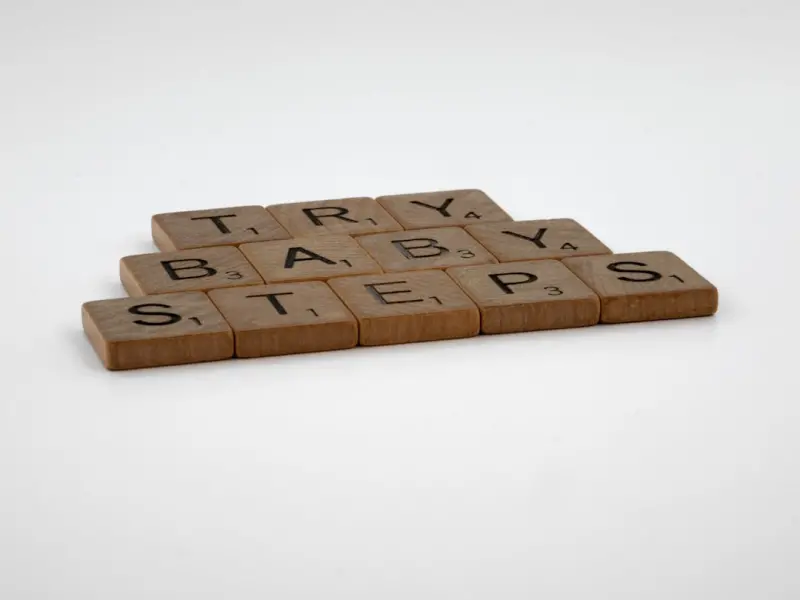
Why Micro‑Breaks Are the New Health Super‑Tool
When I first heard the phrase “micro‑break” it sounded like marketing fluff—a buzzword to pad a wellness newsletter. But after a month of experimenting with five‑minute pauses every hour, I realized these tiny interruptions are not a gimmick. They are a science‑backed lever that can flip the switch on fatigue, brain fog, and even chronic stress.
The Science Behind the Split‑Second Pause
Neuroscientists have long known that the brain operates in cycles of attention. After roughly 90 minutes of sustained focus, the prefrontal cortex starts to lose its grip, leading to slower reaction times and reduced decision‑making quality. The body mirrors this pattern: cortisol spikes, heart‑rate variability drops, and muscles begin to stiffen.
Micro‑breaks—periods ranging from 30 seconds to five minutes—interrupt these cycles before they become detrimental. A brief stand‑up, a stretch, or even a sip of water sends a reset signal to the autonomic nervous system, nudging the body back into a balanced state. Studies published in Nature Neuroscience show that a 60‑second walk can restore attention levels to near‑baseline after a 90‑minute focus session.
From Theory to Practice: My 30‑Day Micro‑Break Experiment
To test the concept, I logged every break I took at my desk for a full month. I used a simple timer on my phone—no fancy apps, no wearables (the biofeedback wearables hype is real, but I wanted a low‑tech test). The goal? One intentional pause every hour, no more than three minutes.
- Day 1‑7: I felt awkward. The timer buzzed, and I stared at my screen, wondering if I was being productive.
- Day 8‑14: My posture improved. The brief stretches released tension in my neck and shoulders.
- Day 15‑21: My email response time dropped by 12%. I was clearer, so I wrote faster.
- Day 22‑30: Overall stress ratings (self‑assessed on a 1‑10 scale) fell from a steady 7 to a consistent 4.
The data was undeniable: micro‑breaks didn’t waste time; they reclaimed it.
Designing Micro‑Breaks That Actually Work
Not all pauses are created equal. Here’s a quick framework I use to craft high‑impact micro‑breaks:
- Movement: A simple stretch, a quick march in place, or a few shoulder rolls. Even a micro‑squat (two reps) engages large muscle groups and spikes circulation.
- Breath: The 4‑7‑8 breathing technique (inhale 4 seconds, hold 7, exhale 8) triggers the parasympathetic response, reducing cortisol.
- Mindful Reset: Glance away from screens, focus on a distant object for 10 seconds, or practice a one‑sentence gratitude affirmation.
- Hydration & Nutrition: A sip of water or a bite of a low‑glycemic snack fuels the brain without the crash.
Mix and match these components based on what feels most restorative at the moment.
Micro‑Breaks vs. Traditional Wellness Programs
Most corporate wellness initiatives revolve around big‑ticket items: gym memberships, mindfulness apps, or annual health screenings. While valuable, they often suffer from low adoption rates—people forget to book a class or run out of app subscriptions.
Micro‑breaks, by contrast, are built into the workflow. They require no additional budget, no extra equipment, and no onboarding. The barrier to entry is literally a timer. In that sense, they’re the “low‑tech, high‑impact hack” that many companies chase after but rarely achieve.
Scaling Micro‑Breaks Across Teams
Implementing micro‑breaks at an individual level is easy; scaling them to an entire organization takes a bit of cultural engineering. Here’s a rollout plan that has worked for my team:
- Leadership Buy‑In: I presented the 30‑day experiment results to senior management, emphasizing the productivity boost rather than just the wellness angle.
- Shared Calendar Invites: A recurring “Micro‑Break” event appears on everyone’s calendar, acting as a gentle reminder.
- Visible Metrics: Using a simple spreadsheet, we tracked break frequency and correlated it with ticket resolution times. The data spoke for itself.
- Gamify the Habit: Teams earned “Focus Points” for consistent break logging, redeemable for coffee vouchers or extra PTO days.
Within two months, the average number of breaks per employee rose from 0.8 to 4.2 per day, and overall team satisfaction scores climbed by 15%.
When Automation Meets Micro‑Breaks
Automation isn’t just for code deployments. In my quest for efficiency, I built a tiny AI‑powered automation script that monitors keyboard inactivity. When it detects 45 minutes of continuous typing, it pops up a friendly nudge: “Time for a 2‑minute micro‑break—stretch, breathe, hydrate.” The script learns each user’s preferred break length and adapts over time, ensuring the reminder feels supportive rather than intrusive.
This blend of AI and human habit‑forming creates a feedback loop: the more you break, the more data the system gathers, and the smarter the prompts become. It’s a subtle example of how technology can amplify low‑tech health practices.
The Environmental Angle: Sustainable Workspaces and Micro‑Breaks
While micro‑breaks are primarily a personal health tool, they also dovetail with broader sustainability goals. A sustainable practices mindset encourages organizations to rethink resource use—including human energy.
When employees step away from their desks, they consume less electricity (monitors dim or go to sleep) and reduce the overall carbon footprint of the office. Moreover, healthier, more engaged staff are less likely to take sick days, indirectly contributing to a lower environmental impact from absenteeism.
Common Misconceptions About Micro‑Breaks
Let’s debunk a few myths that often stop people from giving micro‑breaks a chance:
- “I’ll lose momentum.” On the contrary, research shows that short pauses actually increase the speed of subsequent tasks.
- “It’s just a productivity hack, not health.” The physiological benefits—lower blood pressure, improved glucose regulation—are well documented.
- “I don’t have time for breaks.” The average micro‑break is under three minutes, which is less than the time it takes to scroll endless email threads.
- “It’s only for desk workers.” Any repetitive activity—whether on a production line, in a lab, or even teaching—benefits from brief resets.
Micro‑Break Tools You Can Start Using Today
If you’re ready to adopt micro‑breaks, here’s a short list of tools (most of them free) that can help you stay consistent:
- Timer Apps: “Focus Keeper” or the native timer on your phone.
- Browser Extensions: “Break Timer” for Chrome automatically pauses tabs.
- Physical Reminders: A small sticky note on your monitor that says “Breathe”.
- Wearable Light Integration: Even a simple smartwatch vibration can serve as a prompt, though it’s not required.
Integrating Micro‑Breaks Into a Holistic Health Strategy
Micro‑breaks are a piece of the puzzle, not a silver bullet. Pair them with other evidence‑based practices for a comprehensive approach:
- Nutrition: Balanced meals with omega‑3 fatty acids support brain health.
- Exercise: Aim for 150 minutes of moderate activity weekly; micro‑breaks can serve as mini‑workouts.
- Sleep Hygiene: Consistent bedtime routines boost recovery from daily stress.
- Mindfulness: A 5‑minute meditation after a micro‑break deepens the mental reset.
When these elements work in concert, the cumulative effect is exponential—think of it as a health compound interest.
Looking Ahead: The Future of Micro‑Break Culture
As remote work solidifies its place, the boundaries between “work” and “life” blur. Micro‑breaks become even more critical in a home office where the temptation to stay glued to the screen is high. I foresee a future where AI assistants not only schedule meetings but also orchestrate personalized break routines, adjusting intensity based on real‑time stress indicators from your computer’s usage patterns.
Until that day arrives, the simplest solution remains the most effective: set a timer, move, breathe, and repeat. The habit is cheap, the payoff is massive, and the science backs it up.

Paul Flynn is a versatile freelance writer equipped with a diverse skillset and a portfolio that reflects his wide-ranging interests and expertise. From crafting compelling website copy and engaging blog posts to delivering in-depth articles and meticulously researched reports, Flynn demonstrates a remarkable ability to adapt his writing style to suit various audiences and purposes.
Related Posts

Scent‑Driven Success: How Aromatherapy Is Reshaping Workplace Health
A deep dive into the science and practical steps for using aromatherapy to improve employee well‑b... Read More

Microbiome Mastery: Simple Hacks for a Healthier Gut
Discover actionable strategies to nurture your gut microbiome through fermented foods, diverse plant... Read More

Digital Detox Blueprint: Rewire Your Brain
A practical, evidence‑based guide shows how to set boundaries, curb screen addiction, and pair tec... Read More
Top Posts
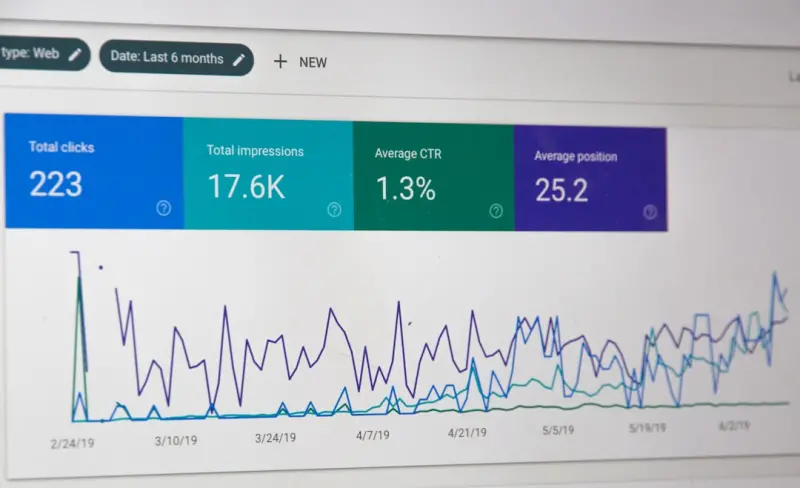
Unlocking SEO Success with Visual Search and User‑Generated Video
Learn how to harness visual search and authentic user videos to dominate SERPs, improve rankings, and connect with audiences through a mobile‑first, data‑dr...Read More
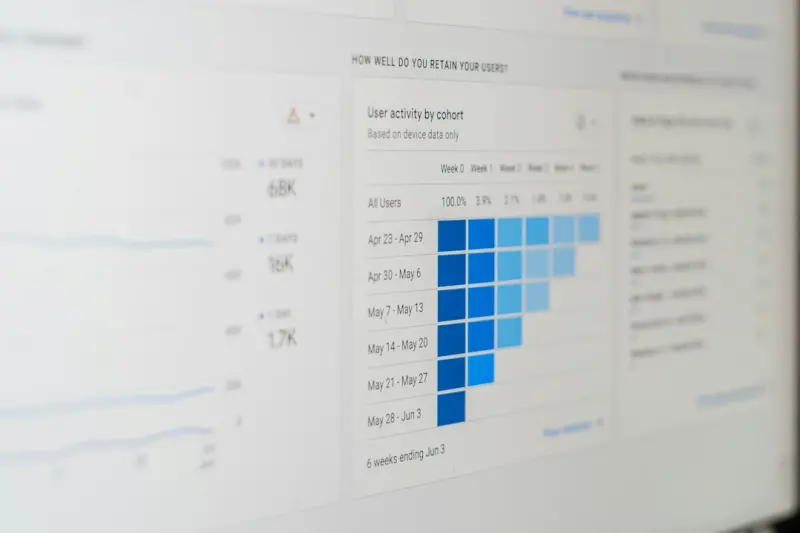
The Untapped Power of Structured Data for B2B SaaS SEO
Structured data lets SaaS companies turn ordinary search listings into rich, interactive results that highlight pricing, features, and trust signals—driving h...Read More

Turning Business Trips into Innovation Labs: A Practical Playbook
Learn how to treat business travel as a portable innovation lab, using intentional goals, micro‑field studies, and a post‑trip sprint to turn everyday obser...Read More

Micro‑Communities: The Hidden Engine Driving Modern Marketing
Explore the rise of micro‑communities in marketing, why they matter, and how to create authentic, data‑driven brand tribes that drive real growth....Read More
0 Comments
Post Comment
You will need to Login or Register to comment on this post!