
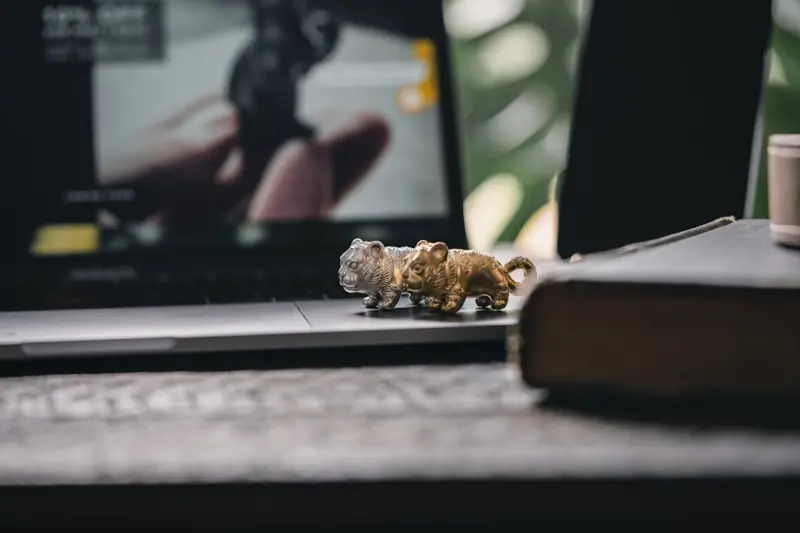
When we think about staying healthy at work, the first images that pop up are usually a gym membership, a yoga mat, or a leafy green smoothie. But what if the most powerful health hack lives right under your keyboard? In the era of endless meetings, chat threads, and notification ping‑pongs, the tiny, often‑ignored movements you make while sitting can be the secret sauce to sustained vitality, sharper focus, and a resilient nervous system.
Why “Micro‑Movements” Matter More Than You Think
Micro‑movements are deliberate, brief actions that break up prolonged static postures. Think of them as the body’s equivalent of a software patch—small, frequent updates that keep the system running smoothly. While a 30‑minute jog certainly has its benefits, research shows that even a 30‑second stretch or a few ankle pumps every hour can:
- Boost circulation: Light activity nudges blood away from the lower extremities, preventing the “pins‑and‑needles” sensation that many desk‑bound professionals know all too well.
- Reset the nervous system: Brief bouts of movement trigger the parasympathetic response, helping you stay calm amid high‑stakes deadlines.
- Sharpen cognition: Short bursts of physical activity stimulate neurotrophic factors, which support memory and problem‑solving skills.
In other words, micro‑movements are the unsung heroes of workplace wellness, delivering outsized returns for a minuscule time investment.
Mapping Your Micro‑Movement Routine
Creating a micro‑movement habit doesn’t require a massive overhaul of your schedule. Here’s a simple, three‑step framework you can embed into any workday:
- Identify natural break points. Look for moments when you naturally pause—after finishing a task, before a meeting starts, or when you receive a new email.
- Choose a movement set. Keep a toolbox of five‑minute‑or‑less routines (see the list below) that you can rotate.
- Set a cue. Use a visual reminder—a sticky note on your monitor, a phone alarm, or even a specific song—to signal it’s time to move.
When you pair these steps with the right environment, the habit becomes almost automatic.
Micro‑Movement Toolbox: 12 Quick Actions
Below are twelve evidence‑backed movements, each taking no more than 30 seconds. Feel free to mix and match, or create your own variations.
- Neck release: Gently tilt your head toward each shoulder, holding for five seconds per side.
- Shoulder shrugs: Lift both shoulders toward your ears, hold two seconds, then release. Repeat eight times.
- Wrist rotations: Extend arms, rotate wrists clockwise for ten seconds, then counter‑clockwise.
- Seated cat‑cow: While seated, arch your back (cow) and then round it (cat), synchronizing with your breath.
- Desk push‑ups: Place hands on the edge of your desk, walk feet back, and perform a set of ten push‑ups.
- Calf raises: Stand behind your chair, lift heels off the floor, hold briefly, lower. Do twelve reps.
- Ankle circles: Lift one foot, rotate ankle clockwise ten times, then counter‑clockwise.
- Hip flexor stretch: Step one foot back, bend the front knee, tuck pelvis slightly, hold fifteen seconds per side.
- Desk squat: Stand, sit back down as if into a chair, pause, rise. Perform eight repetitions.
- Eye palming: Rub palms together, cover eyes for ten seconds, then open. Rest eyes from screen strain.
- Deep diaphragmatic breaths: Inhale through nose for four counts, expand belly, exhale slowly for six counts. Repeat three times.
- Finger flexes: Spread fingers wide, then clench into a fist. Repeat ten times per hand.
Notice the inclusion of a short eye‑care exercise. While not a full‑blown digital eye‑strain solution, simple strategies to beat digital eye strain can be woven seamlessly into micro‑movement breaks, giving your vision a quick refresh without stepping away from the screen.
Integrating Micro‑Movements with Your Workspace Design
If your desk feels like a static island, you’re missing a crucial ally: environment. A thoughtfully arranged workspace can cue movement and reduce friction. Consider these tweaks:
- Standing or adjustable desk: Alternate between sitting and standing to naturally incorporate posture changes.
- Open floor space: Keep a clear path for quick stretches or a brief walk to the water cooler.
- Visible reminders: Place a small plant or a motivational quote at eye level to prompt you to look up and stretch.
- Dedicated movement zone: Even a single mat or a small cushion can signal a spot for micro‑exercises.
For those looking to overhaul their environment, build a home office oasis that boosts focus and calm offers deeper insights on crafting a space that nurtures both productivity and wellbeing.
The Science Behind the Tiny Wins
Multiple studies underline the outsized impact of brief activity bursts:
- Metabolic health: A 2016 study in Diabetology & Metabolic Syndrome found that interrupting sitting every 30 minutes with two minutes of light activity improved glucose regulation.
- Cognitive performance: Research from the University of Illinois demonstrated a 20% boost in attention span after a series of short, rhythmic movements.
- Mood regulation: Even five seconds of movement can trigger endorphin release, combating the “mid‑day slump” many professionals face.
These findings reinforce that the body thrives on variety. The micro‑movement mantra aligns perfectly with the broader trend of “micro‑learning” in the corporate world—small, digestible units that fit into busy schedules while delivering lasting benefits.
Scaling Micro‑Movement Culture Across Teams
When leaders champion micro‑movement practices, the ripple effect can transform company health metrics. Here’s how to embed it at the organizational level:
- Leadership modeling: Executives who stand, stretch, or walk during calls set a tone that normalizes movement.
- Scheduled “movement minutes”: Allocate a 2‑minute slot at the start of meetings for a quick stretch routine.
- Gamified challenges: Use internal tools to track movement streaks, rewarding teams that achieve the highest consistency.
- Resource hub: Curate a library of micro‑movement videos and printable cue cards accessible to all employees.
Data shows that companies that integrate wellness into daily workflows see reduced sick days, higher engagement scores, and lower turnover. The ROI on micro‑movement initiatives is modest in cost but substantial in impact.
Overcoming Common Barriers
Even with the best intentions, obstacles arise:
- “I don’t have time.” Counter by highlighting that each micro‑movement block is under a minute—time that can be reclaimed by the increased energy it generates.
- “I feel self‑conscious.” Normalize the practice by embedding it into team rituals and encouraging a culture of “movement‑friendly” professionalism.
- “I’m not sure what to do.” Provide clear, visual guides (like the toolbox above) and encourage employees to start with one movement they enjoy.
Measuring Your Micro‑Movement Success
Tracking progress helps reinforce habit formation. Simple metrics include:
- Number of movement breaks per day (aim for 8‑12).
- Self‑reported energy levels before and after breaks (use a 1‑5 scale).
- Incidence of musculoskeletal complaints logged in HR wellness surveys.
- Productivity markers such as task completion time or focus‑time blocks.
Pair these data points with qualitative feedback—stories of “I felt more alert after a quick stretch” can be powerful testimonials that sustain momentum.
Future‑Proofing Your Health: From Micro‑Movements to Micro‑Habits
Micro‑movements are just the start. As you embed these tiny actions into your day, you’ll naturally start adopting other micro‑habits, like brief mindfulness check‑ins, water‑intake prompts, or micro‑learning sessions. The cumulative effect creates a resilient, adaptable workforce ready to thrive in a fast‑paced digital landscape.
In the grand scheme, health isn’t a massive, once‑a‑year overhaul; it’s a series of tiny, intentional choices that add up. By honoring the power of micro‑movements, you’re not only investing in your own wellbeing but also modeling a sustainable, high‑performance culture for those around you.
So, the next time you hear the notification ping, consider it a gentle reminder to stand, stretch, and let your body reboot. The results might surprise you—greater focus, reduced fatigue, and a healthier, happier you, all without leaving your desk.

David Moore is a freelance writer specializing in two dynamic and ever-evolving fields: gambling and the tech industry. With a keen eye for detail and a knack for unraveling complex topics, David delivers insightful and engaging content that keeps readers informed and entertained.
Related Posts

Why Biofeedback Wearables Are the Next Frontier in Workplace Health
Biofeedback wearables turn physiological data into actionable insights, helping companies create a d... Read More

Plant‑Powered Bites: The Office Fuel Upgrade You Didn’t Know You Needed
A plant‑centric snack program transforms workplace wellness by stabilizing energy, supporting gut ... Read More

Why Eating with Your Body Clock Beats Any Diet Trend
Learn the science of chrononutrition and how timing your meals to your internal clock can transform ... Read More
Top Posts

Micro‑Content Mastery: Winning the B2B SaaS Attention War
In an era where executives skim and engineers toggle between tabs, micro‑content offers a powerful way to break through the noise. This post explores how to b...Read More
Neurotechnology’s Quiet Revolution: How Brain‑Computer Interfaces Are Changing Everyday Life
Neurotechnology is stepping out of science fiction, turning thoughts into actions and reshaping how we interact with everyday devices. Discover the opportunitie...Read More

Semantic Clustering: The Secret Sauce Behind Modern Topic Authority
Learn why grouping related terms into semantic clusters outperforms traditional keyword lists, and how to implement, measure, and future‑proof this strategy f...Read More
When Your Knowledge Base Becomes an AI Co‑Pilot for Teams
Explore how generative AI can transform static SaaS documentation into a living, searchable knowledge base that personalizes support, speeds onboarding, and dri...Read More
0 Comments
Post Comment
You will need to Login or Register to comment on this post!