
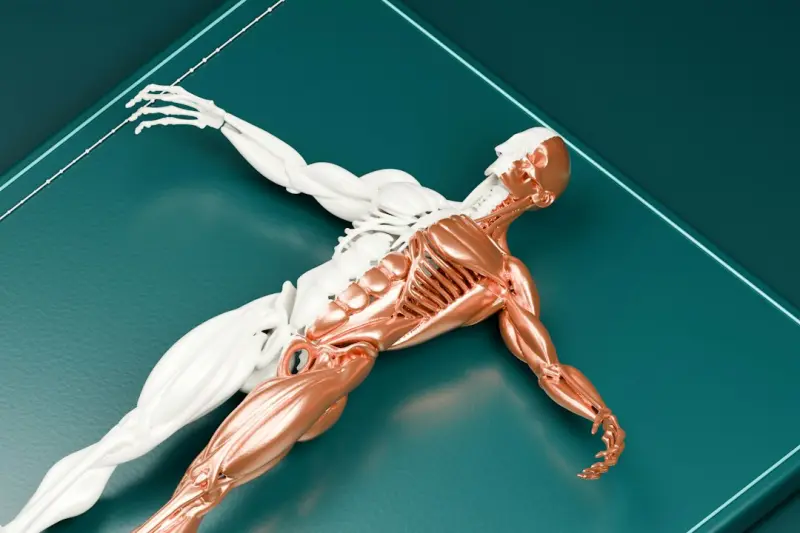
Why Tiny Movements Matter More Than a Full‑Blown Gym Session
When I first swapped my downtown cubicle for a home office, the excitement of ditching the commute was quickly tempered by an unwelcome side effect: a stiff back, sore wrists, and that nagging feeling that my body was slowly surrendering to the chair. I tried the usual remedies—stretching videos, occasional walks, even a pricey standing desk. Nothing stuck. That’s when I discovered that the secret to sustainable health while working remotely isn’t a massive workout routine, but a series of micro‑movements woven throughout the day.
Micro‑movement isn’t a buzzword; it’s a philosophy that recognizes our bodies are designed for constant, low‑intensity activity. Think of the way you naturally shift weight while standing in a line, or how your fingers fidget when you’re bored. By intentionally amplifying these subtle motions, you can counteract the static nature of desk work, improve circulation, sharpen focus, and protect your musculoskeletal system—all without leaving the room.
The Science Behind Micro‑Movement
Research in occupational health consistently shows that prolonged sitting increases the risk of cardiovascular disease, metabolic syndrome, and even early mortality. However, the body isn’t a binary system that toggles between “active” and “inactive.” Muscles, tendons, and joints thrive on repetitive, low‑load activity. Each micro‑movement stimulates blood flow, delivers oxygen to cells, and triggers the release of endorphins that boost mood.
One study from the American College of Sports Medicine found that breaking up sitting time with just two minutes of light activity every 30 minutes can reduce post‑prandial glucose spikes by up to 30 %. Another meta‑analysis highlighted that frequent short bouts of activity improve lumbar spine health more effectively than a single 30‑minute workout.
In short, the cumulative effect of many tiny actions can outweigh the occasional marathon session on a treadmill.
Core Benefits for Remote Professionals
- Posture Preservation: Small shoulder rolls, chin tucks, and hip flexor stretches keep the spine aligned.
- Enhanced Circulation: Frequent ankle pumps and calf raises prevent blood pooling in the lower limbs.
- Mental Clarity: A quick neck massage or wrist rotation clears tension, sharpening focus for the next task.
- Energy Management: Brief bursts of movement reboot the autonomic nervous system, reducing the afternoon slump.
- Injury Prevention: By keeping muscles active, you reduce the likelihood of repetitive strain injuries (RSI) and neck pain.
Designing Your Day Around Micro‑Movement
Implementing micro‑movement is less about a rigid schedule and more about building triggers into your existing workflow. Below is a practical framework you can adapt:
- Identify Natural Pause Points: Every time you finish a meeting, send an email, or receive a chat notification, treat it as a cue to move.
- Choose a Simple Move Set: Keep a list of 5‑7 movements that require no equipment—neck rotations, shoulder shrugs, seated cat‑cow stretch, ankle circles, and desk push‑ups.
- Set a Timer (or Not): Some prefer a subtle timer; others rely on the natural cadence of their work. The goal is consistency, not rigidity.
- Integrate With Your Workspace: Position a resistance band or a small yoga block within arm’s reach so you’re reminded to use it.
- Track Progress Lightly: A quick note in your journal or a habit‑tracking app can reinforce the habit without turning it into a chore.
When I first tried this, I paired my micro‑movement routine with a portable office design that prioritized mobility. The result? A workspace that invited movement rather than penalizing it.
Micro‑Movement Moves You Can Do Anywhere
Below are 12 moves you can perform while seated, standing, or even in a brief hallway walk. Each takes under a minute and targets a different body region.
- Neck Release: Tilt your head to each shoulder, hold for 5 seconds, then gently turn the chin toward each shoulder.
- Shoulder Rolls: Lift shoulders toward ears, roll back, and drop—repeat 10 times.
- Seated Cat‑Cow: While seated, arch your back (cow) then round it (cat), synchronizing with your breath.
- Wrist Waves: Extend arms forward, rotate wrists clockwise and counter‑clockwise, 10 rotations each.
- Hip Flexor Stretch: Stand, step one foot back, gently sink hips, hold 10 seconds each side.
- Ankle Pumps: While seated, point toes away then back toward you, 20 repetitions.
- Desk Push‑Ups: Place hands on the desk, step back, and perform a shallow push‑up, 8‑10 reps.
- Standing Calf Raises: Rise onto the balls of your feet, lower slowly, 12 repetitions.
- Side Bends: Extend arms overhead, lean left, then right, holding each side for a breath.
- Glute Squeezes: While seated, contract glutes for 5 seconds, release, repeat 15 times.
- Deep Breathing Reset: Inhale for 4 counts, hold 2, exhale for 6—repeat three cycles.
- Eye Palming: Rub palms together, cover eyes for 30 seconds to reduce digital eye strain.
Tools & Tech That Reinforce Micro‑Movement
While the core of micro‑movement is low‑tech, certain tools can amplify adherence:
- Smart Desk Sensors: Devices that detect prolonged sitting and emit gentle reminders.
- Wearable Activity Trackers: Most track “stand reminders,” but you can program custom alerts for specific moves.
- Desktop Widgets: Simple apps that display a rotating list of micro‑exercises.
- Voice Assistants: Ask Siri or Alexa for “a quick stretch” and receive a guided routine.
Even the most secure home environment contributes to well‑being. A smart home security checklist ensures you can move freely without worrying about safety, which in turn reduces stress and mental fatigue.
Case Study: From Slouch to Sprinter (Metaphorically)
One of my clients, a senior product manager at a SaaS firm, reported chronic neck pain after six months of remote work. After a brief consultation, we implemented a micro‑movement protocol aligned with his daily sprint cycles:
- Every sprint planning meeting (≈30 min) ended with a “stand‑up stretch”—a 2‑minute sequence of hip flexor and shoulder rolls.
- During code reviews, he performed wrist waves and finger extensions to combat typing fatigue.
- He set his Google Workspace status to “In Motion” during scheduled movement windows, signaling teammates and reinforcing accountability.
After eight weeks, his self‑reported pain dropped from a 7/10 to a 2/10, and his productivity metrics rose by 12 %. The lesson? Small, consistent actions can produce outsized returns when they’re integrated into existing workflows.
Common Mistakes and How to Avoid Them
Even the best intentions can falter. Here are pitfalls I’ve seen and quick fixes:
- Thinking “Micro” Means “Insignificant”: Skipping moves because they feel “too easy” defeats the purpose. Each repetition triggers circulation and neural activation.
- Doing All Moves at Once: A marathon of micro‑exercises can feel overwhelming. Spread them out; the goal is frequency, not duration.
- Ignoring Breath: Pairing movement with diaphragmatic breathing enhances oxygen delivery and reduces stress.
- Neglecting Ergonomics: Micro‑movement works best when your workstation is ergonomically sound—adjust monitor height, chair depth, and keyboard angle.
- Forgetting Recovery: Over‑stimulating a specific muscle group can cause strain. Rotate focus areas throughout the day.
Bridging Micro‑Movement With Overall Lifestyle Health
Micro‑movement is a cornerstone, not a silo. To maximize benefits, combine it with other health pillars:
- Nutrition: Stay hydrated; dehydration can exacerbate muscle cramps during movement.
- Sleep Hygiene: While our post isn’t about sleep, remember that restorative rest consolidates the physical gains from daily movement.
- Mindfulness: A brief meditation after a movement break can deepen the mind‑body connection.
- Social Interaction: Share your micro‑movement routine with teammates; communal accountability boosts adherence.
Getting Started: A 7‑Day Kick‑Start Plan
Ready to try? Here’s a simple roadmap:
| Day | Focus | Micro‑Moves (2‑minute sets) |
|---|---|---|
| 1 | Neck & Shoulders | Neck release, shoulder rolls, wrist waves |
| 2 | Spine Mobility | Seated cat‑cow, side bends, hip flexor stretch |
| 3 | Leg Circulation | Ankle pumps, calf raises, glute squeezes |
| 4 | Full‑Body Refresh | Desk push‑ups, standing calf raises, deep breathing |
| 5 | Eye & Brain Reset | Eye palming, neck release, diaphragmatic breathing |
| 6 | Combination Flow | All moves, one after another, 2 min total |
| 7 | Reflection & Adjust | Review which moves felt best, note any discomfort, tweak the list. |
After the first week, assess which micro‑movements you enjoy most and double‑down on those. The goal is to create a personalized micro‑movement library that feels natural.
Conclusion: Small Moves, Big Impact
Remote work has reshaped the modern professional landscape, but it also introduced a silent epidemic of sedentary strain. By embracing micro‑movement—those intentional, bite‑sized actions—you can safeguard your spine, boost circulation, and sharpen mental focus without sacrificing productivity.
Remember, the journey isn’t about turning your living room into a gym; it’s about weaving health into the fabric of your daily workflow. Start with a single roll of the shoulders, and watch how that tiny gesture ripples into a healthier, more energized you.

Dale Peterson is a freelance writer with a passion for technology, travel, law and personal finance. With 10 years of experience crafting compelling and informative content, he's dedicated to delivering high-quality writing for Blogging Fusion that engages audiences and achieves specific goals.
Related Posts
Micro‑Break Mastery: Tiny Pauses, Big Health Gains
Micro‑breaks—short, intentional pauses—reset the brain and body, improving focus, reducing str... Read More

Let the Sun In: Harnessing Daylight to Supercharge Office Well‑Being
Daylight is more than a pleasant backdrop; it’s a vital health tool. This post explains the scienc... Read More

Nutrigenomics: Personalizing Nutrition for Peak Performance
A deep dive into nutrigenomics reveals how DNA‑based diet plans can transform energy levels, menta... Read More
Top Posts
Building with LEGO: Why Modular Architecture Is the Future of B2B SaaS
Modular architecture lets SaaS companies treat applications like LEGO bricks—independent, reusable services that can be swapped, scaled, and re‑combined on ...Read More

Blue Light Management: A Practical Guide to Better Sleep and Daily Energy
Learn how to manage blue light, optimize your evening routine, and integrate low‑tech habits for deeper sleep and sustained daily energy....Read More

Beyond the Cloud: How Quantum‑Ready SaaS Will Redefine Enterprise Innovation
A deep dive into the emerging quantum‑ready SaaS movement, its impact on performance, security, and product design, and practical steps for enterprises to get...Read More
Cultivating Private Communities to Supercharge Account‑Based Marketing
Private, invitation‑only communities turn prospects into co‑creators, delivering deep insights and faster sales cycles. Learn a 5‑step playbook to embed c...Read More
0 Comments
Post Comment
You will need to Login or Register to comment on this post!