
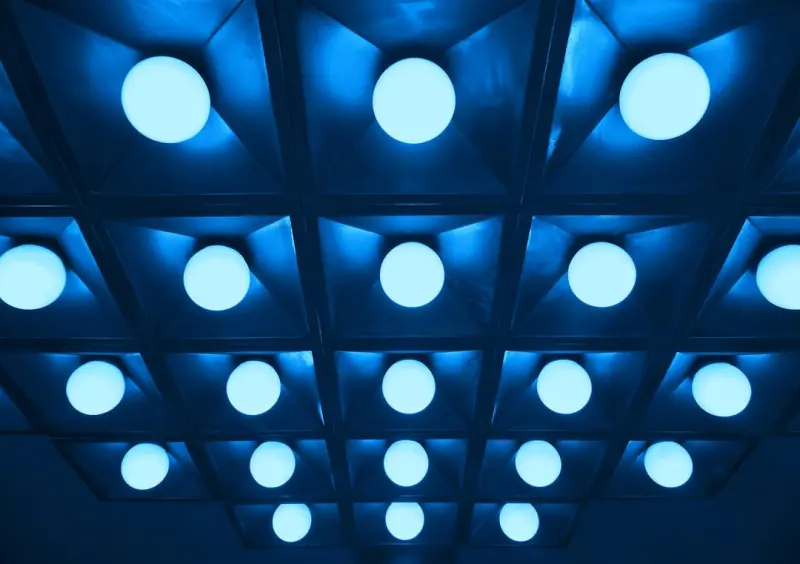
Seeing the Hidden Impact of Blue Light
Every morning, countless eyes flick on a glowing rectangle, and every night, the same screens pulse with a high‑energy, short‑wavelength light that our biology still interprets as daylight; this invisible culprit, known as blue light, infiltrates our circadian rhythm and tricks the brain into postponing the natural release of melatonin, the hormone that quietly ushers us toward restorative sleep. Research from leading ophthalmology centers shows that even brief exposure—just fifteen minutes of scrolling before bedtime—can shift sleep onset by up to thirty minutes, leaving you feeling groggy, irritable, and less able to concentrate the next day, a cascade that compounds with each night of unmitigated exposure. In this article I’ll walk you through why this matters, how to reclaim control, and why a few mindful tweaks can transform not just your evenings but your overall vitality.
What makes blue light uniquely disruptive isn’t just its hue but its energy; photons in the 415–455 nanometer range are especially potent at activating the retinal ganglion cells that feed directly into the suprachiasmatic nucleus, the master clock of the brain, bypassing the slower, image‑forming pathways that handle ordinary vision. When this signal persists after sunset, the brain receives a false “still‑day” message, suppressing melatonin production and keeping cortisol levels elevated, a hormonal mismatch that can erode immune function, increase inflammation, and even tip the scales toward weight gain by altering appetite‑regulating hormones like ghrelin and leptin. By understanding this hidden circuitry, you can begin to dismantle the night‑time feedback loop that keeps you tethered to the glare of your phone, tablet, or laptop.
The Body’s Clock: How Light Shapes Sleep
The human circadian system is exquisitely tuned to the natural progression of sunlight across the sky; as the sun rises, blue‑rich light signals the body to boost alertness, raise body temperature, and release cortisol, while the gradual dimming toward dusk signals a wind‑down phase, prompting melatonin to rise and body temperature to fall. When artificial blue light intrudes after the sun has set, it confuses this finely calibrated orchestra, extending the “daytime” phase and compressing the “night” phase, which can truncate the deep‑sleep stages that are crucial for memory consolidation, muscle repair, and hormonal balance. The result is a subtle but measurable decline in sleep efficiency, often reflected in a higher number of awakenings and a lighter overall sleep architecture.
Beyond the immediate feeling of fatigue, chronic circadian disruption has been linked to long‑term health risks such as metabolic syndrome, cardiovascular disease, and mood disorders; a longitudinal study of night‑shift workers found a 30 % increase in the incidence of type 2 diabetes compared to day‑workers, a statistic that underscores the systemic impact of light exposure patterns. By aligning our evening habits with the body’s innate timing—dimming lights, using amber‑tinted glasses, and establishing a technology‑free wind‑down—you give the suprachiasmatic nucleus the clear cue it needs to initiate the cascade of restorative processes that happen while you sleep. This alignment not only improves sleep quality but also fortifies the immune system and sharpens cognitive performance during waking hours.
Smart Screen Habits for Daytime Focus
While the evening is the critical window for protecting sleep, daytime screen use can also be optimized to support alertness without overstimulating the visual system; the key is to balance blue‑light exposure with regular breaks, screen‑position ergonomics, and purposeful content consumption. The 20‑20‑20 rule—every 20 minutes, look at something 20 feet away for 20 seconds—reduces ocular strain, prevents digital eye fatigue, and helps maintain the natural rhythm of the blink reflex, which can be suppressed during prolonged focus on bright displays. Pair this with a calibrated brightness setting that matches ambient light levels, and you’ll notice fewer headaches and a steadier sense of mental clarity throughout the day.
For those who rely on devices for work, consider leveraging technology itself to guard against overexposure; many operating systems now offer “night mode” or “blue‑light filter” settings that automatically shift the display spectrum toward warmer tones after sunset, while still preserving the blue‑light needed for daytime alertness. If you’re interested in a deeper dive on how subtle tech can act as a supportive ally, check out the insights from quiet coach strategies that blend automation with personal well‑being. By treating your screen as a tool rather than a constant companion, you can harness its benefits without sacrificing ocular health or mental stamina.
Evening Rituals to Preserve Nighttime Recovery
Transitioning from a high‑stimulus environment to a restful state is a skill that can be cultivated through a series of deliberate, low‑tech rituals designed to dim the brain’s alertness signals and prime the body for melatonin release; the most effective of these begin with a “digital sunset” at least one hour before you plan to sleep. This means turning off smartphones, tablets, and laptops, or at the very least activating a robust blue‑light filter, and replacing the screen time with activities that engage the senses in a calming way, such as reading a physical book, practicing gentle stretching, or listening to slow, instrumental music.
In addition to eliminating screens, consider adjusting the lighting in your bedroom to a warm, low‑intensity level; amber or red bulbs emit minimal blue wavelengths and can signal the brain that it’s time to wind down. Adding a short mindfulness or gratitude practice can further lower cortisol, creating a neurochemical environment conducive to deep sleep. Finally, a consistent sleep‑time routine—going to bed and waking at the same hour each day—reinforces the body’s internal clock, making it easier to fall asleep quickly and enjoy uninterrupted cycles of REM and deep sleep, which are essential for emotional regulation and memory consolidation.
Integrating Low‑Tech Solutions for Long‑Term Health
While high‑tech solutions like blue‑light filtering apps are useful, the most sustainable approach often lies in low‑tech, habit‑based interventions that require minimal maintenance and can be integrated seamlessly into daily life. Simple actions such as installing dimmable lamps, using blackout curtains, and placing a small hourglass or candle on the nightstand can serve as visual cues that reinforce the transition from day to night, reducing reliance on digital reminders. Moreover, incorporating a brief “screen‑free zone” in the home—perhaps the dining table or a dedicated lounge area—creates physical boundaries that naturally limit screen exposure during meals and family time.
To deepen the impact, align your nutritional intake with your light exposure strategy; consuming magnesium‑rich foods like leafy greens, nuts, and seeds in the evening can support muscle relaxation and enhance melatonin synthesis, while avoiding caffeine and heavy meals close to bedtime prevents the body from staying in a heightened metabolic state. For a broader perspective on how visual cues affect behavior, the article on visual search playbook provides an intriguing look at how the brain processes visual information, a concept you can repurpose to design a bedroom environment that subtly guides the mind toward rest. By weaving together these low‑tech adjustments, you create a resilient ecosystem that protects sleep, sharpens daytime focus, and ultimately boosts overall health.
Mindful Hydration: Timing Water for Energy and Recovery
Hydration often slips into the background of health conversations, yet the timing of water intake can be a decisive factor in both daytime performance and nighttime recovery; drinking a glass of water upon waking jump‑starts metabolism, supports the transport of nutrients, and helps clear residual toxins that accumulate during sleep. Throughout the day, sipping water in small, regular intervals maintains plasma volume, which is essential for optimal cardiovascular function, cognitive alertness, and muscle efficiency, especially if you’re incorporating the micro‑movements and stretches discussed earlier.
When evening approaches, however, the goal shifts from constant replenishment to strategic moderation; limiting fluid intake about an hour before bed reduces the likelihood of nocturnal bathroom trips that fragment sleep, while a modest cup of warm herbal tea—preferably caffeine‑free and infused with calming herbs like chamomile or valerian—can promote relaxation and support the body’s natural cooling processes that signal sleep onset. By pairing mindful hydration with the blue‑light management tactics outlined above, you create a synergistic routine that maximizes both energy levels during daylight hours and the depth of restorative sleep at night.
Personalizing Your Light Environment
Every individual’s sensitivity to blue light varies based on factors such as age, genetics, and existing eye conditions, making a one‑size‑fits‑all approach insufficient; the most effective strategy is to personalize your light environment by monitoring how you feel after different exposure patterns and adjusting accordingly. Simple tools like a wearable light sensor or a smartphone app that tracks screen time can provide data on your daily blue‑light dosage, helping you identify peak periods of exposure and moments where a reduction would be most beneficial.
Armed with this information, you can experiment with dynamic lighting solutions—such as smart bulbs that automatically transition from cool, blue‑rich tones in the morning to warm, amber hues in the evening—tailoring the ambient light to match your circadian needs. Over time, this data‑driven approach not only improves sleep quality but also enhances mood stability, reduces eye strain, and supports overall metabolic health, proving that a nuanced, personalized plan is far more effective than generic recommendations.
Building a Sustainable Night‑Time Routine
Establishing a night‑time routine that respects both your biological clock and your lifestyle commitments requires consistency, intention, and a willingness to experiment; start by mapping out a 60‑minute pre‑sleep window and populate it with activities that collectively signal to your brain that it’s time to wind down. This could include dimming lights, turning off electronic devices, preparing a light snack that contains tryptophan (such as a banana or a small serving of yogurt), and engaging in a brief meditation or deep‑breathing exercise to lower heart rate and cortisol levels.
Consistency is the linchpin; by performing the same sequence of actions each night, you create a Pavlovian cue that accelerates the transition into sleep, reducing the time it takes to fall asleep and increasing the proportion of deep, restorative sleep stages. Over weeks, you’ll likely notice improvements in morning alertness, reduced reliance on caffeine, and a steadier mood throughout the day—clear evidence that mastering blue‑light management and a thoughtful evening ritual can have far‑reaching benefits for overall health.
Putting It All Together: A Blueprint for Better Sleep
To recap, the journey toward healthier sleep begins with recognizing the hidden influence of blue light, then strategically curating both your daytime screen habits and evening environment to align with the body’s natural circadian rhythm; incorporate regular eye breaks, use blue‑light filters during work hours, and transition to warm, low‑intensity lighting as night falls. Complement these visual strategies with mindful hydration, a consistent pre‑sleep routine, and personalized lighting adjustments based on your own responsiveness to light exposure. By weaving these elements into a cohesive daily pattern, you not only protect the quality of your sleep but also enhance daytime focus, emotional resilience, and long‑term metabolic health.
Finally, remember that small, incremental changes often yield the most lasting results—turn off the phone at 9 p.m., dim the lamp to a soft amber hue, sip water mindfully, and give your eyes a brief respite every twenty minutes. Over time, these habits compound, creating a robust foundation for a life that feels both energized and rested, proving that the power to improve your health often lies in the simple, intentional choices you make each day.

In the world of freelance writing, where creativity and adaptability are paramount, Michelle Fisher stands out as a dedicated and versatile professional. With a passion for crafting compelling narratives and a keen eye for detail, Michelle has established herself as a trusted voice.
Related Posts

Breathing Life into Remote Work: Simple Practices for Sustainable Well‑Being
Remote work can drain energy and focus, but simple breathing exercises and micro‑stretch routines ... Read More
Wearable Wisdom: Turning Everyday Data Into Lasting Health Habits
Discover practical ways to decode your wearable’s data, align your environment, and build micro‑... Read More
Rewire Your Home Office for Brain Power and Resilience
Learn practical, science‑backed strategies to transform your home office into a mental resilience ... Read More
Top Posts

The Rise of Micro‑Influencer Networks in B2B Digital Marketing
Micro‑influencers—niche experts with engaged audiences—are reshaping B2B digital marketing. Learn how to identify, partner, and scale these relationships ...Read More

Why a Daily Digital Fast Is the Brain’s Missing Super‑Fuel
A daily hour without screens can reset your brain’s reward system, lower stress hormones, improve sleep, and spark creativity—turning a simple digital fast ...Read More

Turning Play into Profit: Gamified Lead Generation for B2B SaaS
Gamification turns routine B2B SaaS lead generation into an engaging, reward‑driven journey. Learn how points, badges, and leaderboards can boost conversions,...Read More

Surfing Google’s AI Surge: Rose DesRochers’ Insider Playbook for 2024
Rose DesRochers reveals how marketers can ride Google’s AI surge in 2024, offering actionable audits, audience hacks, and ethical tactics to stay ahead of the...Read More
0 Comments
Post Comment
You will need to Login or Register to comment on this post!