

Let the Sun In: Harnessing Daylight to Supercharge Office Well‑Being
When I first set up my home office, I treated the walls like a blank canvas and the lighting like an afterthought. A desk lamp here, a cheap LED strip there – enough to see my screen, but nothing more. It wasn’t until a colleague casually mentioned feeling “zoned out” after weeks of back‑to‑back video calls that I started to wonder: what if the very environment I’m staring at all day is silently sabotaging my health? The answer, surprisingly, is not a new app or a fancy ergonomic chair. It’s the most abundant, free resource we often take for granted: daylight.
The Science Behind Sunlight and the Human Body
Our bodies are wired to the 24‑hour cycle of the planet. The suprachiasmatic nucleus (SCN) in the hypothalamus acts as the master clock, syncing physiological processes to the rise and set of the sun. When natural light hits the retina, it sends signals that regulate melatonin production, cortisol spikes, body temperature, and even gene expression. Disrupt that rhythm, and you risk a cascade of issues:
- Sleep disturbances: Reduced morning light exposure delays melatonin onset, making it harder to fall asleep.
- Mood dips: Low light levels correlate with higher rates of depressive symptoms, especially in high‑stress environments.
- Cognitive fog: Inadequate daylight impairs attention, working memory, and decision‑making speed.
- Metabolic slowdown: Light influences insulin sensitivity and appetite regulation, linking daylight to weight management.
In short, daylight isn’t just a cosmetic perk; it’s a physiological imperative. The pandemic‑era shift to remote work amplified the problem. A sensory hygiene checklist can’t overlook the most fundamental sense: sight.
Why Traditional Office Lighting Falls Short
Most corporate offices rely on fluorescent or LED panels calibrated for visual clarity, not circadian alignment. These lights often emit a high proportion of blue wavelengths, which can feel “bright” but lack the dynamic spectrum that mimics natural daylight. Moreover, they’re static – they don’t change hue or intensity throughout the day, ignoring the natural progression from cool morning light to warm evening glow.
Even when a workspace boasts “daylight‑simulating” bulbs, they usually operate on a fixed schedule, ignoring individual differences in chronotype (morning larks vs. night owls). The result is a one‑size‑fits‑all approach that, while better than nothing, still leaves many employees in a state of sensory dissonance.
Practical Strategies to Maximize Daylight Exposure
Below are evidence‑backed tactics you can implement whether you work from a glass‑walled loft, a cramped cubicle, or a home office with a single window.
1. Position Your Desk Near a Window
Studies show that simply placing a workstation within 6‑12 feet of a window can boost mood by up to 23% and improve task performance by 15%. If you can’t relocate your desk, consider a “light‑catcher” workstation: a portable desk or adjustable standing desk that can be moved closer to natural light when needed.
2. Optimize Window Treatments
- Morning: Keep blinds fully open to let in bright, cool light. If glare is an issue, use sheer curtains that diffuse rather than block.
- Afternoon: As sunlight intensifies, employ adjustable louvers to reduce glare while preserving luminance.
- Evening: Dim the blinds to transition your environment toward warmer tones, signaling your brain that it’s time to wind down.
3. Leverage Light‑Reflecting Surfaces
Light-colored walls, glossy desks, and strategically placed mirrors can bounce natural light deeper into the room. A simple matte white wall behind a monitor can increase ambient illumination by up to 30% without additional energy consumption.
4. Integrate Smart Lighting Solutions
Modern circadian lighting systems adjust color temperature and intensity in sync with the sun’s position. Brands now offer IoT‑enabled fixtures that can be programmed per employee or per team, allowing for personalized light profiles. Pair these with occupancy sensors to ensure lights dim or turn off when spaces are vacant, conserving energy while maintaining health benefits.
5. Schedule “Light Breaks”
Even if you work in a window‑less floor, a 5‑minute walk to a sunny hallway or a quick step onto a balcony can reset your SCN. Consider adopting a light break routine every 90 minutes: stand up, stretch, and soak up at least 2–3 minutes of direct sunlight.
6. Use Light Therapy Devices When Natural Light Is Scarce
For employees in northern latitudes or those with limited window access, high‑intensity light therapy boxes (10,000 lux) can mimic sunrise. Use them for 20–30 minutes each morning to boost alertness and stabilize circadian rhythms.
Measuring the Impact: Data‑Driven Health Feedback Loops
Just as SaaS teams rely on AI‑driven feedback loops to iterate product features, you can create a personal health loop to gauge daylight exposure. Wearables with ambient light sensors (e.g., Apple Watch, Oura Ring) log daily lux exposure. Pair this data with sleep metrics, mood surveys, and productivity scores to identify patterns.
For example, an employee who logs under 1,000 lux per day may experience a 12% dip in self‑reported focus. By adjusting their workstation or adding a light‑therapy session, you can close that loop, monitor improvements, and iterate further. Scaling this across a team provides leadership with actionable insights: which office zones need more windows, or where smart lighting upgrades will yield the highest ROI.
Case Study: A SaaS Startup’s Daylight Revamp
When the product team at a mid‑size SaaS firm noticed a spike in burnout surveys, they turned to daylight as a low‑cost intervention. The steps they took:
- Audit: Using a light meter, they mapped lux levels across each floor. The central open‑plan area averaged 300 lux, while private offices hovered around 150 lux.
- Redesign: Desks were reoriented to face windows. Glass partitions replaced solid walls, and a series of reflective panels were installed near the back wall.
- Smart Lighting Rollout: They installed circadian‑tuned LED panels that shifted from 6500 K in the morning to 2700 K in the evening.
- Feedback Loop: Employees wore light‑sensing wristbands. Data showed a 40% increase in daily lux exposure and a 22% reduction in self‑reported fatigue after three months.
The result? Not only did employee well‑being scores improve, but the company also saw a 9% lift in sprint velocity, attributed to sharper focus and fewer sick days.
Addressing Common Objections
“My office has no windows.” Even in windowless spaces, you can introduce daylight simulators that replicate the spectral composition of sunrise and sunset. Pair them with periodic outdoor excursions to reinforce the natural rhythm.
“I’m a night owl; daylight makes me sleepy.” Chronotypes vary, but exposure to bright light in the early part of your shift can still anchor your circadian clock, improving sleep quality when you finally hit the pillow.
“We can’t afford a lighting overhaul.” Start small: swap blinds for sheer curtains, add a reflective surface, or encourage “light break” habits. Incremental changes compound over time without breaking the budget.
Beyond Light: Integrating Daylight with Holistic Health Practices
Daylight is a keystone, but it works best when paired with complementary health habits:
- Hydration: Light exposure stimulates thirst cues; keep a water bottle on your desk.
- Movement: Combine light breaks with micro‑stretch routines to boost circulation.
- Nutrition: Pair a morning sun session with a balanced breakfast rich in protein and healthy fats to stabilize blood sugar.
- Mindfulness: A 2‑minute deep‑breathing exercise under a sunny window can amplify relaxation responses.
By weaving daylight into the fabric of daily work rituals, you create a synergistic environment that supports both mental and physical health.
Action Plan: Implement Daylight‑Centric Health in Your Workspace
- Audit Your Light: Use a smartphone lux meter app to record baseline exposure at different times of day.
- Rearrange Desks: Move workstations toward windows where possible; consider hot‑desking to maximize flexibility.
- Upgrade Window Treatments: Install adjustable blinds or sheer curtains.
- Introduce Smart Lighting: Pilot circadian‑tuned fixtures in one area and measure impact.
- Establish Light Breaks: Schedule 5‑minute outdoor moments into meeting calendars.
- Close the Loop: Leverage wearables or office sensors to track lux exposure and correlate with productivity and well‑being metrics.
When you align your workspace with the sun’s natural rhythm, you’re not just improving comfort—you’re unlocking a competitive advantage rooted in biology. In a world where SaaS teams chase marginal gains through code, a few extra minutes of daylight can be the quiet catalyst that turns “good enough” into truly great performance.

Sanji Patel has dedicated 25 years to the SEO industry. As an expert SEO consultant for news publishers, he emphasizes providing both technical and editorial SEO services to news publishers worldwide. He frequently speaks at conferences and events globally and offers annual guest lectures at local universities.
Related Posts

Micro‑Break Mastery: Recharging the Knowledge Worker in 5‑Minute Bursts
Learn how a simple 5‑45‑5 cycle of movement, deep work, and mental reset can transform productiv... Read More

Forest Bathing for Remote Professionals: Rewilding Your Workday
Explore the science behind forest bathing, learn actionable steps to integrate nature into your remo... Read More

Biofeedback Wearables: The Next Frontier for Personal Health
Biofeedback wearables transform everyday health data into clear, actionable insights, helping indivi... Read More
Top Posts
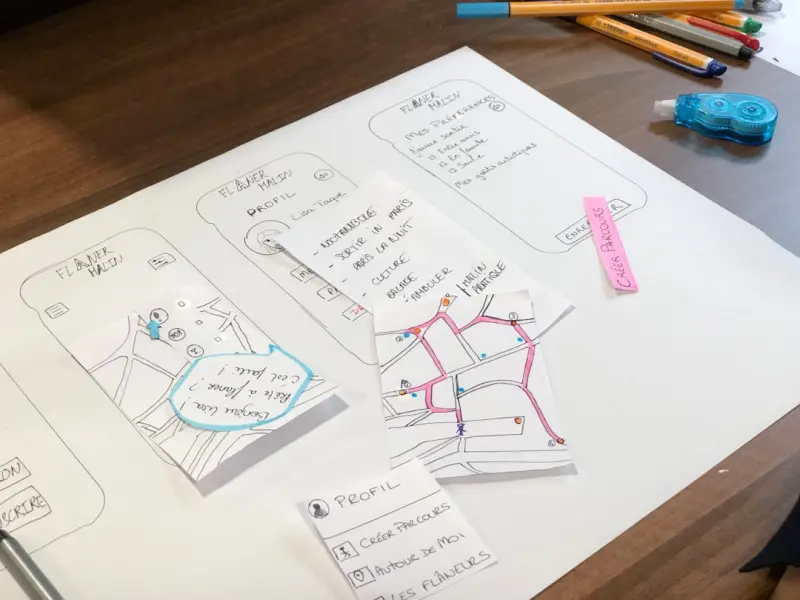
AI as Your Quiet Co‑Creator: Rethinking Product Roadmaps
AI isn’t just a buzzword—it can quietly partner with product teams, turning data into empathy, streamlining knowledge, and sharpening roadmaps without steal...Read More

Fermented Foods for Busy Professionals: A Practical Gut‑Health Guide
Fermented foods like kefir, kimchi, and sauerkraut offer a convenient, low‑tech way for busy professionals to nurture their gut microbiome, improve focus, and...Read More
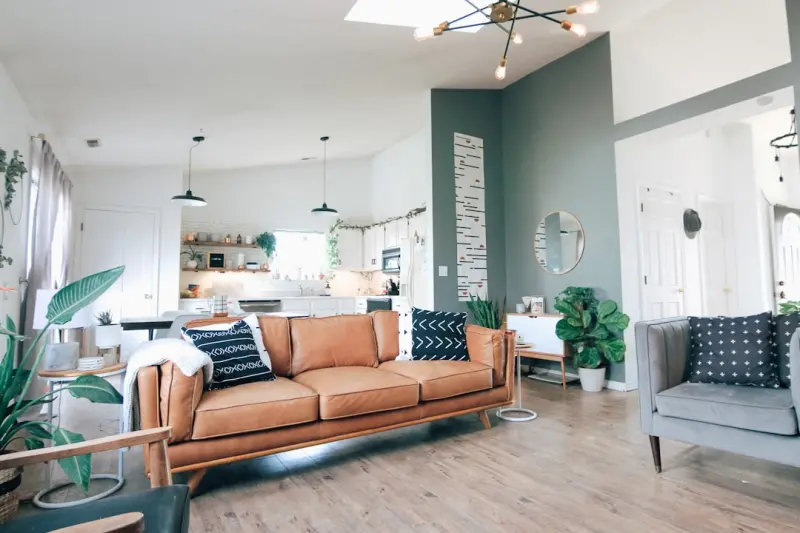
Designing a Sensory Sanctuary: How Sound, Light, and Aroma Transform Your Living Space
A step‑by‑step guide to turning any living space into a sensory sanctuary, blending soundscapes, smart lighting, and curated aromas for lasting calm and pro...Read More
Surfing Google’s AI Wave: How Brands Stay Human in Search
Google’s AI is rewriting search, but brands can still shine. Learn the insider playbook to stay human, authentic, and visible in the new AI‑driven landscape...Read More
0 Comments
Post Comment
You will need to Login or Register to comment on this post!