
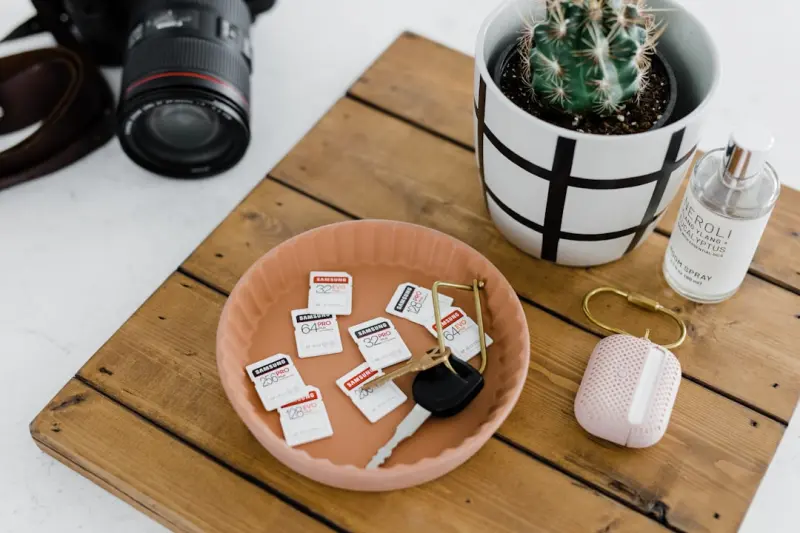
Ever walked into a room and felt a subtle, almost imperceptible drag? It’s not the layout, the décor, or even the lighting—it's the invisible weight of tiny, unattended clutter. I call this the “micro‑mess” effect, and it’s the silent saboteur of comfort, productivity, and peace of home. Over the years, I’ve learned that tackling the macro‑mess (the piles of laundry or the overflowing garage) is only half the battle. The real transformation comes from a series of bite‑size habits that, when practiced consistently, keep your space light, inviting, and—most importantly—stress‑free.
Why Micro‑Decluttering Works Better Than Grand Sweeps
Traditional decluttering feels like a marathon: you set aside a weekend, move furniture, sort through boxes, and often end up with a temporary sense of relief that fades as soon as the next week rolls around. Micro‑decluttering, on the other hand, is a sprint that you can repeat daily without feeling exhausted. Here’s why it’s a game‑changer:
- Low barrier to entry. A five‑minute habit is far less intimidating than a full‑day overhaul.
- Builds momentum. Small wins trigger dopamine releases, reinforcing the behavior and encouraging you to do more.
- Prevents re‑accumulation. By addressing clutter the moment it appears, you stop the snowball effect before it starts.
- Improves mental clarity. A tidy environment mirrors a tidy mind, reducing cognitive load and freeing up mental bandwidth for the things that truly matter.
1. The One‑Minute Nightly Sweep
Before you hit the pillow, set a timer for 60 seconds and walk through the most used areas of your home—kitchen counter, living‑room coffee table, bedroom nightstand. Pick up anything that doesn’t belong. The key is speed: you’re not sorting, just relocating. Anything that needs deeper attention gets a quick note on a sticky pad for tomorrow’s dedicated session.
2. The Two‑Item Rule for Incoming Packages
Online shopping is a blessing and a curse. The excitement of a new parcel can quickly turn into a clutter cascade. When a delivery arrives, immediately open it, inspect it, and decide on one of three actions:
- Keep & use. Put it straight into its designated spot.
- Donate or recycle. Place it in a pre‑designated “give‑away” bin.
- Return. If it doesn’t meet your needs, initiate a return within the retailer’s window.
Limit yourself to handling just two items at a time—if you have more, repeat the process later in the day.
3. The “Three‑Item” Drawer Reset
Every drawer, from the bathroom vanity to the desk, inevitably becomes a catch‑all. Adopt a rule: when you open a drawer, pull out the top three items, assess their purpose, and either:
- Return them to a more appropriate home.
- Dispose of them if they’re expired or broken.
- Leave them if they truly belong.
This micro‑audit takes less than two minutes but keeps drawers from spiraling into chaos.
4. The “Five‑Minute Surface Reset” After Meals
Cooking is a joy, but the aftermath can be a mess. Instead of postponing cleanup, allocate a five‑minute window after each meal to:
- Wipe down countertops and stovetops.
- Load the dishwasher or hand‑wash dishes.
- Put away leftovers in clearly labeled containers.
Consistent surface resets prevent the dreaded “sticky kitchen” syndrome and keep your culinary space ready for the next culinary adventure.
5. The “Two‑Minute Mail Sort” Routine
Mail is a notorious micro‑mess generator. Set a timer for two minutes each morning to sort through the day’s envelope pile:
- Immediate action. Bills, invitations, or anything with a deadline goes straight to the “Today” folder.
- Digital conversion. Scan important documents and file them digitally, then recycle the paper.
- Archive or discard. Keep only what you truly need for future reference.
6. The “One‑Touch” Rule for Personal Items
Anything you pick up—your phone, keys, a book—should be returned to its “home” the moment you’re done. This eliminates the habit of leaving items on random surfaces, a common culprit behind visual clutter. For example, designate a stylish tray by the entryway for keys and wallets, and a sleek charging dock for your phone.
7. The “Two‑Step Nightstand” Tidy
Nightstands often become dumping grounds for glasses, chargers, and yesterday’s read. Adopt a two‑step routine before bed:
- Remove everything and place it on a clean surface.
- Return only the essentials—lamp, a single book, and your phone charger—to the nightstand.
This creates a calm, uncluttered visual cue that signals it’s time to unwind.
8. The “Quick Quote” for Sentimental Clutter
Sentimental items—photos, souvenirs, kids’ artwork—are emotionally charged and can quickly dominate space. When you encounter such an item, ask yourself:
- Does it spark a genuine smile or memory?
- Do I have a digital copy already?
- Can I display it in a rotating frame or a dedicated shelf?
If the answer is “no,” consider photographing it and letting go of the physical object. This practice preserves the memory while freeing up space.
9. The “Five‑Second Rule” for Bathroom Countertops
Every morning, I spend five seconds scanning the bathroom vanity. If any product—toothpaste, razor, skincare—has strayed from its spot, I move it back instantly. This micro‑habit prevents the countertop from becoming a chaotic mosaic of half‑used products.
10. The “Weekly Mini‑Audit” of High‑Traffic Zones
At the end of each week, dedicate ten minutes to walk through the high‑traffic zones: entryway, kitchen island, living‑room coffee table. Look for patterns—perhaps a stack of mail accumulating, or a pile of keys that never returns to the tray. Adjust your micro‑habits accordingly, tweaking the timing or location of your quick resets.
Integrating Micro‑Decluttering with Larger Home Systems
Micro‑decluttering thrives when it plugs into broader home organization systems. For instance, the stress‑free home systems article outlines how a well‑designed entryway can streamline daily routines. Pairing that macro design with micro‑habits like the “Two‑Item Rule for Incoming Packages” creates a feedback loop: the environment encourages the habit, and the habit reinforces the environment.
Similarly, home zones for calm often focus on visual serenity. By consistently applying the “One‑Touch Rule” and “Two‑Minute Mail Sort,” you preserve the aesthetic calm these zones aim to achieve, ensuring they remain free from hidden clutter that can erode their tranquil vibe.
Even seemingly unrelated topics, such as gut health and focus, can intersect with home habits. A clutter‑free kitchen encourages mindful cooking, which can improve nutrition—directly supporting the brain‑gut connection that fuels concentration throughout the day.
Tools & Tech to Support Your Micro‑Habits
While the core of micro‑decluttering is low‑tech, a few modern tools can smooth the process:
- Digital timers. Use your phone’s timer or a small kitchen timer to keep each habit within its intended window.
- Label makers. Clear labeling reduces decision fatigue when returning items to their homes.
- Smart bins. A trash can with a motion‑sensor lid encourages quick disposal without lingering.
- Home inventory apps. Apps like Sortly or Home Inventory allow you to catalog items, making it easier to identify duplicates or rarely used objects.
Measuring Success: How to Track Your Progress
Micro‑decluttering is subtle, so quantifying its impact can be motivating. Try these simple metrics:
- Time saved. Note how many minutes you save each week by not searching for misplaced items.
- Stress reduction. Keep a short journal; record your stress levels before and after implementing micro‑habits.
- Space reclaimed. Measure (in square feet) the visible floor space cleared after a month of consistent practice.
Celebrating these wins reinforces the habit loop, making it easier to sustain over the long term.
Conclusion: The Ripple Effect of Tiny Actions
Micro‑decluttering isn’t just about a cleaner surface; it’s about cultivating an environment that supports your well‑being, creativity, and efficiency. By integrating ten straightforward habits into your daily rhythm, you create a home that feels spacious, welcoming, and—most importantly—under your control. Remember, the most powerful transformations start with a single, deliberate action. Pick one habit from this list, master it, and watch how the rest fall into place like dominoes.

Paul Flynn is a versatile freelance writer equipped with a diverse skillset and a portfolio that reflects his wide-ranging interests and expertise. From crafting compelling website copy and engaging blog posts to delivering in-depth articles and meticulously researched reports, Flynn demonstrates a remarkable ability to adapt his writing style to suit various audiences and purposes.
Related Posts

Let the Sun In: Crafting Light‑Rich Spaces for Wellness and Productivity
A step‑by‑step guide to using natural light as a wellness tool, covering morning rituals, roomâ€... Read More

Seasonal Home Refresh: Simple Swaps to Keep Your Space Fresh All Year
A practical guide to refreshing your home each season using budget‑friendly textile swaps, smartâ€... Read More

Transform Your Home Into a Flexible Sanctuary With Simple Design Tricks
Learn how modular furniture, hidden storage, layered lighting, and subtle tech can turn any space in... Read More
Top Posts
Conversational Commerce: The New Frontier for B2B Digital Marketing
A deep dive into conversational commerce reveals how chat‑based interactions, AI‑enhanced bots, and messaging platforms can replace traditional outbound tac...Read More

AI‑Augmented Compliance: Turning Regulatory Overload into Strategic Advantage
AI is reshaping compliance from a reactive burden to a proactive competitive edge. Discover practical AI capabilities—regulation mining, control mapping, and ...Read More
Why Green SaaS is the Next Competitive Frontier
Sustainable cloud practices are becoming a decisive factor for SaaS success. This article reveals how green architecture, renewable energy, and carbon‑aware m...Read More

When the Edge Meets the Funnel: Harnessing Edge Computing for Real‑Time Digital Marketing
Edge computing brings processing closer to the user, slashing latency and enabling real‑time personalization. Learn how to redesign your marketing funnel, lev...Read More
0 Comments
Post Comment
You will need to Login or Register to comment on this post!