
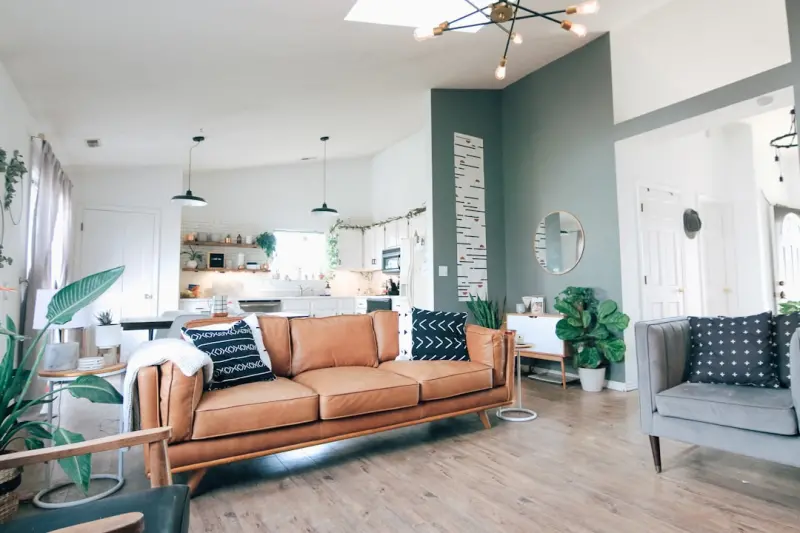
Ever walked into a room and felt instantly calm, organized, and ready to tackle the day? That’s not magic—it’s the result of deliberately crafted home systems that take the guesswork out of daily life. As someone who’s spent countless weekends tweaking furniture layouts, testing storage hacks, and fine‑tuning routines, I’ve learned that the real secret to a stress‑free home isn’t the newest gadget or a flashy décor trend. It’s a set of simple, repeatable processes that turn chaos into clarity, without demanding a PhD in interior design.
1. Start With a “One‑Touch” Philosophy
Imagine a world where every action you take at home requires a single, intuitive motion. In the kitchen, that means a pantry layout where the most‑used items sit at eye level, reachable with a single reach. In the living room, it means a coffee table that doubles as a charging hub and a stash spot for remote controls. The core idea is to eliminate extra steps that drain mental energy.
To make this happen, audit the “touch points” in each room:
- Identify the most frequent tasks. If you brew coffee three times a day, keep the beans, filters, and mugs within a foot of each other.
- Cluster related items together. Pair your reading glasses with a small, labeled tray on the nightstand so you never hunt for them.
- Use gravity. A pull‑down shelf for mail and bills ensures they slide straight into a sorting drawer—no need to lift or bend.
When every habit aligns with a single, instinctive motion, you free up brainpower for the things that truly matter.
2. Build “Micro‑Zones” for Routine Activities
While the recent post Designing Home Zones explores macro‑level zones, micro‑zones focus on the tiny, task‑specific corners that often get ignored. Think of the coffee‑prep corner by the sink, the shoe‑drop areamail‑sorting nook
Here’s how to create them:
- Define the action. Choose a single purpose for the space—e.g., “drop shoes and grab keys.”
- Limit the items. Keep only the essentials: a slim bench, a small basket, and a hook.
- Make it visible. Use contrasting colors or a distinct mat so the area stands out and becomes a habit trigger.
These micro‑zones act like automatic checklists, reducing the mental load of deciding where to place things each time you walk through your home.
3. Leverage “Invisible Storage” to Keep Surfaces Clear
Clutter on countertops, desks, and coffee tables is the visual equivalent of background noise—distracting and draining. The trick isn’t to buy more containers; it’s to hide storage where you don’t see it. A few ideas:
- Under‑cabinet pull‑out trays. Slide them out when you need them, tuck them away when you don’t.
- Floating shelves with concealed brackets. Store infrequently used items behind decorative boxes that blend with the décor.
- Furniture with built‑in compartments. Ottomans, benches, and bed frames that open up to store blankets, toys, or paperwork.
By moving items out of sight, you maintain a clean visual field, which research shows can improve mood and productivity.
4. Implement a “Weekly Reset” Ritual
Much like a sprint retrospective in software development, a weekly reset gives your home a chance to recalibrate. Choose a low‑stress time—Sunday evenings work well for most families. The process involves three quick steps:
- Clear the decks. Spend 10 minutes putting stray items back in their micro‑zones.
- Refresh supplies. Refill coffee beans, restock pantry staples, and replace any used toiletries.
- Plan the week. Jot down any special meals, guests, or projects so you can prep in advance (e.g., pre‑portion salad greens or set out guest towels).
This ritual doesn’t take long, but the payoff is a home that feels ready for whatever the coming days throw at you.
5. Optimize Lighting for Mood and Efficiency
Light is often overlooked in home‑systems thinking, yet it’s a powerful lever for both comfort and productivity. Here’s a three‑tier approach:
- Ambient lighting. Use warm LED bulbs that mimic natural daylight to create a welcoming baseline.
- Task lighting. Install adjustable desk lamps or under‑cabinet lights for cooking and reading, reducing eye strain.
- Accent lighting. Add dimmable LED strips behind TV backs or under shelves to signal transition times (e.g., dimming after 9 pm to cue relaxation).
When lighting is intentional, you’ll notice smoother transitions between work, leisure, and sleep.
6. Create a “Digital Declutter” Zone
Even the most analog‑focused home can suffer from digital overload. Designate a single drawer or cabinet as the charging and device‑sync zone. Here’s the workflow:
- Place all phones, tablets, and wearables in the zone each night.
- Use a multi‑port charger to power them all simultaneously.
- Set a timer for 30 minutes of “offline wind‑down” after charging completes—no screens, just a book or a journal.
This habit not only protects your devices from scattered cords but also helps you wind down before bed, improving sleep quality.
7. Adopt “Zero‑Waste” Kitchen Practices
Beyond the usual recycling tips, a zero‑waste kitchen can be a system in itself. Start with three pillars:
- Batch cooking. Prepare staple ingredients (grains, beans, roasted veggies) on a weekend day and store them in clear containers.
- Reusable containers. Keep a stack of glass jars for pantry items, eliminating the need for disposable bags.
- Compost corner. Set up a small, odor‑free bin under the sink for organic scraps; empty it into an outdoor compost pile or municipal program.
These habits reduce waste, save money, and simplify meal planning throughout the week.
8. Use “Smart” Labels Without the Smart Tech
Labels are cheap, effective, and can transform chaotic spaces into organized ones. Here’s how to get the most out of them:
- Color‑code by category. Red for urgent items (e.g., bills), green for reusable supplies (e.g., grocery bags).
- Include expiry dates. Write the date directly on the label for food items, cleaning supplies, or even batteries.
- Make them removable. Use painter’s tape or reusable adhesive so labels can move as your needs evolve.
The visual cue of a label speeds up decision‑making and reduces the “I’m not sure where this belongs” moments that interrupt flow.
9. Integrate “Nature” to Boost Well‑Being
Bringing a bit of the outdoors inside isn’t just an aesthetic choice; it has measurable health benefits. A simple system includes:
- Rotate plants seasonally. Choose low‑maintenance varieties like snake plant or pothos for the winter, and bright flowering herbs for spring.
- Use a watering schedule. A small chalkboard near the sink can track watering days, preventing over‑ or under‑watering.
- Place a small water feature. Even a tabletop fountain adds gentle ambient sound that masks external noise without becoming the “quiet threat” discussed in other posts.
These touches create a calming backdrop that subtly improves mood and indoor air quality.
10. Build a “Family Command Center” That Actually Works
Many homes have a whiteboard or bulletin board that ends up as a dumping ground for random notes. Turn it into a functional command center by structuring it with three sections:
- Calendar. Write key dates—doctor appointments, school events, work deadlines.
- To‑Do List. Use sticky notes for tasks that change weekly; remove them when done.
- Meal Planner. Sketch out the week’s meals to align grocery shopping and reduce last‑minute takeout.
By keeping the board organized and regularly reviewed, you transform it from visual clutter into a shared family hub.
11. Embrace “Low‑Effort” Maintenance Routines
Large, infrequent cleaning marathons are overwhelming and often lead to procrastination. Instead, adopt a “5‑minute daily” approach:
- Morning sweep. Run a quick vacuum on high‑traffic areas while coffee brews.
- Evening wipe‑down. Use a microfiber cloth to clean kitchen counters and bathroom sinks after dinner.
- Weekly deep dive. Choose one zone (e.g., fridge, bathroom tiles) for a more thorough cleaning each week.
This steady cadence keeps grime at bay and makes the home feel consistently fresh.
12. Connect the Dots With Technology—When It Serves the System
Technology should enhance, not dominate, your home system. One practical example is using a simple voice‑activated timer (or even a smartphone app) to remind you of the weekly reset. Another is a smart plug that powers the charging zone overnight and cuts power after a set time, conserving energy.
For those curious about larger tech integration, the article The Silent Sentinel offers insight into how AI can automate routine security checks—an approach you can mimic for home security, such as setting up motion‑detected lights that activate only when needed.
The key is to keep tech as a background enabler, not the centerpiece of your home’s workflow.
13. Review, Refine, and Celebrate
Every system, no matter how well designed, will need tweaking. Schedule a quarterly “system audit” where you:
- Identify any bottlenecks (e.g., a drawer that constantly overflows).
- Remove or repurpose items that no longer serve a purpose.
- Celebrate the wins—maybe a smoother morning routine or a tidier kitchen.
Recognition reinforces positive habits and keeps the momentum going.
In short, a truly stress‑free home isn’t built on expensive décor or the latest smart‑home gizmo. It’s built on intentional, low‑effort systems that align with human behavior. By implementing the strategies above, you’ll transform your living space into a calm, efficient sanctuary—one that supports your goals, nurtures your well‑being, and makes everyday life feel a little less chaotic.

Shawn DesRochers is a certified Microsoft technician and Programmer with 30+ year's experience. He has written many reviews on computer related products, software, and SEO related topics. When he's not writing reviews he can be found at one of the Oldest Directories Online Business Directory USA which he is the CEO of.
Related Posts

Quiet Corners & Sensory Hacks for Home Harmony
Paul Flynn shares practical, low‑tech strategies to enhance light, sound, scent, and texture at ho... Read More
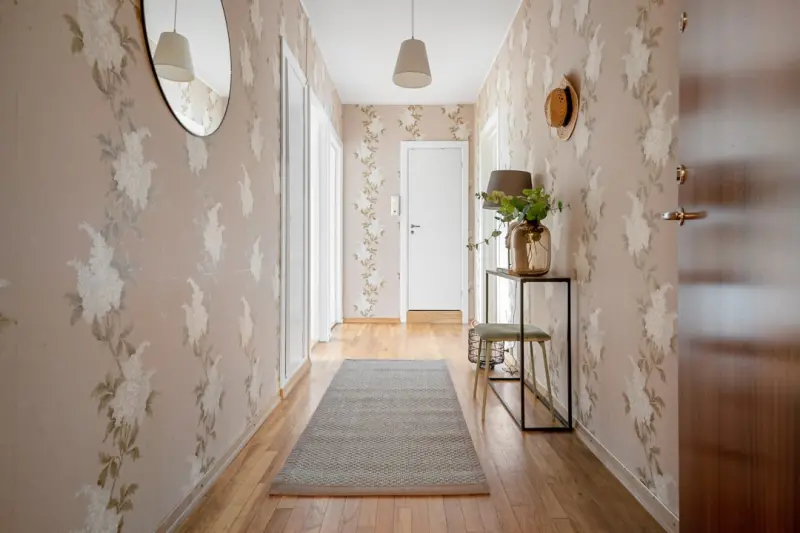
Revamp Your Entryway: Smart, Stylish, and Stress‑Reducing Tips
A detailed guide shows how to transform a neglected entryway into a functional, stylish space using ... Read More
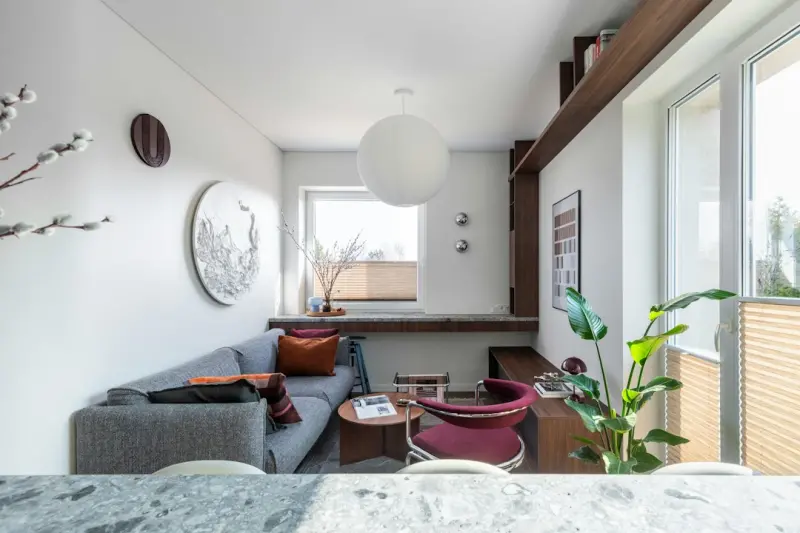
How to Turn a Tiny Apartment Into a Stylish, Stress‑Free Sanctuary
Discover step‑by‑step strategies to convert a cramped studio into a stylish, stress‑free sanct... Read More
Top Posts

Immersive VR Therapy: A New Frontier for Mental Wellness
Immersive VR therapy merges realistic digital environments with real‑time biometric data and personalized nutrition, offering a scalable, engaging solution fo...Read More

Why Audio-First Marketing Is the Next Growth Engine for Brands
Explore why audio is becoming the go‑to channel for marketers, learn practical steps to launch a podcast or voice‑assistant campaign, and see how to measure...Read More

Conversational Commerce: Turning B2B Chats into Revenue Engines
A deep dive into why conversational commerce is the next frontier for B2B digital marketing, with actionable steps to embed AI‑powered chat experiences that d...Read More

Why Structured Data Is the Secret Weapon for B2B SaaS SEO
Structured data can transform how your SaaS product appears in search, delivering rich snippets, higher click‑through rates, and better lead quality. This gui...Read More
0 Comments
Post Comment
You will need to Login or Register to comment on this post!