
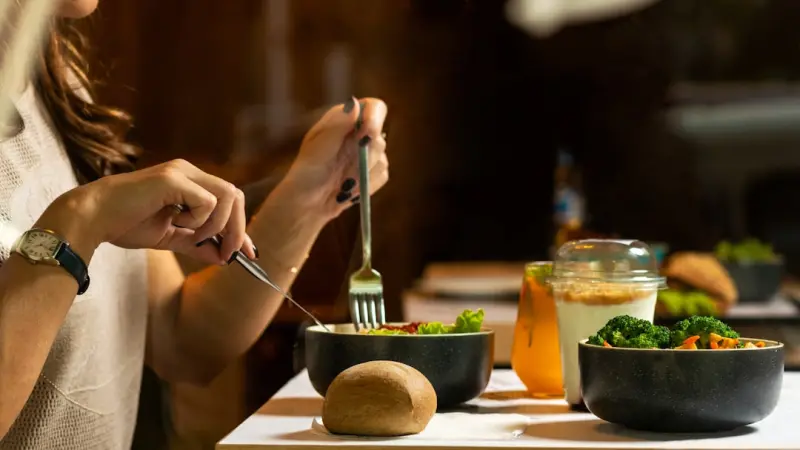
Why Your Gut Might Be the Real MVP Behind Remote‑Work Success
When you hear “remote work health,” most people instantly picture ergonomic chairs, blue‑light glasses, or the occasional stretch‑break. While those factors are undeniably important, there’s a silent partner in the background that rarely makes the headlines: your gut.
Yes, the intestinal microbiome—the trillions of bacteria, fungi, and viruses living in your digestive tract—does more than just digest your lunch. It communicates constantly with your brain through the gut‑brain axis, influencing mood, cognition, and even the fine‑tuned focus needed to write code, close deals, or craft a compelling presentation. If you’re chasing that “flow state” while on a Zoom call, your gut might already be pulling the strings.
The Science Behind the Gut‑Brain Connection
Decades of research have shown that the gut produces up to 90% of the body’s serotonin, the neurotransmitter traditionally associated with happiness and well‑being. Moreover, short‑chain fatty acids (SCFAs) generated by fiber‑fermenting bacteria act as signaling molecules that can cross the blood‑brain barrier, modulating inflammation and neural activity.
In practical terms, an imbalanced microbiome can lead to:
- Increased brain fog and difficulty concentrating.
- Heightened stress responses, making you more reactive to the inevitable hiccups of remote work (e.g., unstable Wi‑Fi, unexpected client emails).
- Fluctuating energy levels, which often get misattributed to “caffeine crashes” or “screen fatigue.”
If you’ve ever wondered why a Screen Energy Drain feels so intense, part of that sensation could be rooted in gut‑derived inflammation. The gut can amplify the physiological impact of long screen sessions, making you feel more drained than the devices themselves.
Micro‑Stressors in Your Home Office: The Hidden Gut Triggers
Remote workers often overlook subtle environmental stressors that can sabotage gut health:
- Irregular Meal Timing: Skipping breakfast or eating a massive dinner late at night can disrupt circadian rhythms, which in turn affect microbial rhythms.
- Low‑Fiber Snacks: Those convenient granola bars or processed chips are typically low in prebiotic fiber, starving beneficial bacteria.
- Excessive Caffeine: While a cup of joe can boost alertness, too much caffeine can increase gut permeability (the dreaded “leaky gut”), allowing endotoxins to enter the bloodstream and trigger inflammation.
- Ambient Noise: Even background chatter can elevate cortisol levels, which influence gut motility and microbial composition. The Quiet Threat article touches on noise, but the downstream effect on gut health is rarely discussed.
Understanding these micro‑stressors helps you craft a holistic strategy that goes beyond the typical “adjust your chair” checklist.
Practical Nutrition Strategies to Supercharge Your Focus
Below are evidence‑backed steps you can take today to nurture a gut that fuels mental clarity and sustained energy.
1. Prioritize Prebiotic‑Rich Foods
Prebiotics are the fuel for beneficial bacteria. Think of them as the premium gasoline for your internal engine. Incorporate:
- Chicory root and Jerusalem artichoke.
- Garlic, onions, leeks, and asparagus.
- Bananas (especially when slightly green).
Start your day with a smoothie that blends banana, spinach, a scoop of oats, and a dash of cinnamon. This not only feeds your microbiome but also delivers steady glucose for the brain.
2. Add Probiotic Powerhouses
Live cultures directly introduce beneficial strains. Opt for:
- Fermented foods: kefir, kimchi, sauerkraut, miso.
- High‑quality probiotic supplements that list specific strains (e.g., Lactobacillus rhamnosus for stress reduction).
Consistency matters: a small serving daily beats a massive dose once a month.
3. Embrace Polyphenol‑Packed Antioxidants
Polyphenols, found in berries, dark chocolate, and green tea, have a dual role. They act as antioxidants and as “pre‑biotics for the gut” by promoting the growth of beneficial microbes while inhibiting harmful ones.
Swap your afternoon coffee for a matcha latte (unsweetened) and pair it with a handful of blueberries for a focused, gut‑friendly boost.
4. Hydration with a Gut‑Friendly Twist
Water is essential, but you can upgrade it with electrolyte‑balanced drinks that contain a pinch of sea salt and a splash of lemon. This supports the gut’s mucosal lining and aids nutrient absorption.
5. Time Your Meals to Align with Your Work Rhythm
Research suggests that a regular eating window (e.g., 8‑am to 6‑pm) syncs gut clocks with your circadian rhythm, stabilizing hormone release and enhancing alertness. Avoid the “all‑night‑snack” trap—those late calories often lead to a dip in focus the next morning.
Beyond Food: Lifestyle Tweaks That Reinforce Gut Health
Nutrition is a cornerstone, but a few additional habits can amplify the benefits.
Mindful Breathing & the Vagus Nerve
The vagus nerve is the main highway connecting the gut and brain. Simple breathing exercises (e.g., 4‑7‑8 technique) stimulate vagal tone, reducing stress‑induced gut inflammation.
Movement Breaks with a Digestive Angle
Even a five‑minute walk after lunch can accelerate gastric emptying, preventing post‑meal sluggishness. Consider a “micro‑movement” routine: stand, stretch, and perform gentle twists to massage abdominal organs.
Screen Management for Gut Calm
While you’ve likely read about reducing blue‑light exposure, consider a digital sunset—turn off all screens at least an hour before dinner. This helps your body wind down, promotes melatonin production, and prepares the gut for optimal nighttime repair.
Sleep Hygiene
Quality sleep is the ultimate gut reset. Aim for 7‑9 hours of uninterrupted rest, keep the bedroom cool, and limit caffeine after 2 p.m. A well‑rested gut supports better neurotransmitter balance, directly translating to sharper focus.
Measuring Success: Simple Metrics to Track Gut‑Powered Performance
Unlike code deployments, gut health isn’t as easily quantifiable, but you can still monitor progress with a few proxies:
- Energy Log: Note your energy peaks and troughs throughout the day. A smoother curve often indicates a balanced microbiome.
- Focus Sessions: Use a Pomodoro timer and record the number of successful cycles before needing a break. Gradual improvements suggest better mental stamina.
- Digestive Comfort: Track any bloating, irregularity, or heartburn. Fewer symptoms often correlate with reduced systemic inflammation.
Pair these observations with occasional stool tests (many labs now offer at‑home kits) to see actual changes in microbial diversity.
Putting It All Together: A One‑Week Gut‑Boost Plan for Remote Professionals
To make the theory actionable, try the following structured plan. Adjust portion sizes to match your caloric needs.
| Day | Morning | Mid‑Day | Afternoon | Evening |
|---|---|---|---|---|
| Monday | Prebiotic oatmeal (banana + chia) + matcha | Mixed greens with kimchi & olive oil | Green tea + handful of almonds | Grilled salmon, roasted asparagus, quinoa |
| Tuesday | Greek yogurt with berries & honey | Turkey lettuce wraps with garlic sauce | Dark chocolate (70%) + herbal tea | Stir‑fried tofu, broccoli, brown rice |
| Wednesday | Scrambled eggs, sautéed leeks, whole‑grain toast | Mixed bean salad with lemon vinaigrette | Matcha latte (unsweetened) | Baked cod, sweet potato, sautéed spinach |
| Thursday | Protein shake with kefir, banana, and oats | Quinoa bowl with roasted veggies & miso dressing | Apple slices + almond butter | Chicken curry with coconut milk, cauliflower rice |
| Friday | Chia pudding (coconut milk) + fresh fruit | Sardine salad with arugula & olive oil | Herbal tea + probiotic capsule | Veggie pizza on cauliflower crust, side of sauerkraut |
| Saturday | Whole‑grain pancakes with cinnamon & berries | Avocado toast with fermented garlic spread | Matcha smoothie (spinach, kiwi) | Grilled steak, roasted carrots, fermented carrots |
| Sunday | Omelet with mushrooms, onions, and goat cheese | Butternut squash soup with a dollop of kefir | Green tea + dark chocolate | Slow‑cooked lentil stew, side of kimchi |
Throughout the week, schedule three 5‑minute micro‑movement breaks (standing, light stretching, or a short walk) and a 10‑minute breathing session before lunch and after dinner. Track your energy and focus metrics each day.
Final Thoughts: Your Gut Is the Unsung Hero of Remote Work Health
In the race to optimize remote performance, we often chase the latest software tools, ergonomic gadgets, or productivity hacks. Yet, the most powerful lever might be sitting inside you, humming along 24/7. By feeding your gut the right fuel, managing micro‑stressors, and syncing lifestyle habits with your internal clock, you set the stage for sharper focus, steadier energy, and a resilient mind.
Take a moment today to assess your plate, your routine, and that subtle “gut feeling” you’ve been ignoring. Your next breakthrough could be just a bite away.

Sanji Patel has dedicated 25 years to the SEO industry. As an expert SEO consultant for news publishers, he emphasizes providing both technical and editorial SEO services to news publishers worldwide. He frequently speaks at conferences and events globally and offers annual guest lectures at local universities.
Related Posts

Why Community-Driven Fitness Is the Next Health Revolution
Discover the power of community-driven fitness, where neighborhoods become health hubs, leveraging m... Read More

Digital Detox: Reclaiming Health in an Always‑On World
A digital detox isn’t about abandoning technology—it’s about resetting your relationship with ... Read More

Micro‑Moments: Why Short, Intentional Pauses Are the New Health Super‑Power for Knowledge Workers
Micro‑moments—brief, intentional pauses woven into the workday—reset the brain, lower stress, ... Read More
Top Posts
Riding Google’s AI Wave: A Marketer’s Personal Playbook for Staying Human
A marketer’s guide to leveraging Google’s AI without losing authenticity—practical steps, case studies, and ethical tips for staying human in a tech‑hea...Read More
The Hidden Power of Community‑Driven SEO: Ranking Beyond Backlinks
Explore a fresh SEO angle that leverages authentic community participation to earn authority, drive traffic, and climb search rankings—no traditional backlink...Read More
Riding Google’s 2026 AI Wave: A Marketer’s Personal Playbook
Discover Rose DesRochers’ insider strategies for mastering Google’s 2026 AI wave—from zero‑click SEO to AI‑driven ad creatives and privacy‑first mar...Read More

Generative AI Is Transforming the Way We Build Software
Generative AI is changing software creation—from instant code generation to AI‑enhanced testing—offering a collaborative future where developers and machi...Read More
0 Comments
Post Comment
You will need to Login or Register to comment on this post!